455
Home Blog Page 4

Bathroom Design Ideas: Creating a Space That Reflects Your Personality and Lifestyle

Bathrooms are no longer just functional spaces; they have become a personal retreat where you can unwind and express your individual style. Whether you’re working with a small half-bath or a luxurious master bathroom, thoughtful design can transform the space into something beautiful, practical, and reflective of your lifestyle. This guide to bathroom design ideas will explore how you can combine aesthetics and functionality, while tailoring the space to your unique preferences.
1. Choosing the Right Layout for Your Space

The layout of your bathroom is the foundation of its design. Whether you’re dealing with a compact space or a spacious master bath, it’s important to ensure that the layout makes the most of what you have to offer. In smaller bathrooms, it may be necessary to prioritize function over decoration, while in larger spaces, you can experiment with more intricate designs.

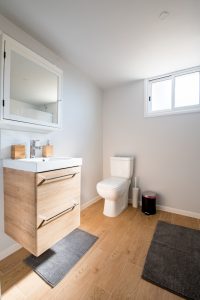
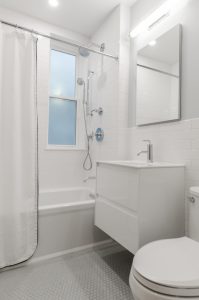
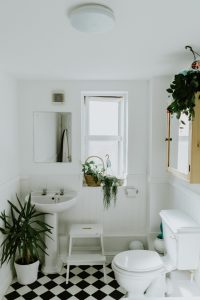
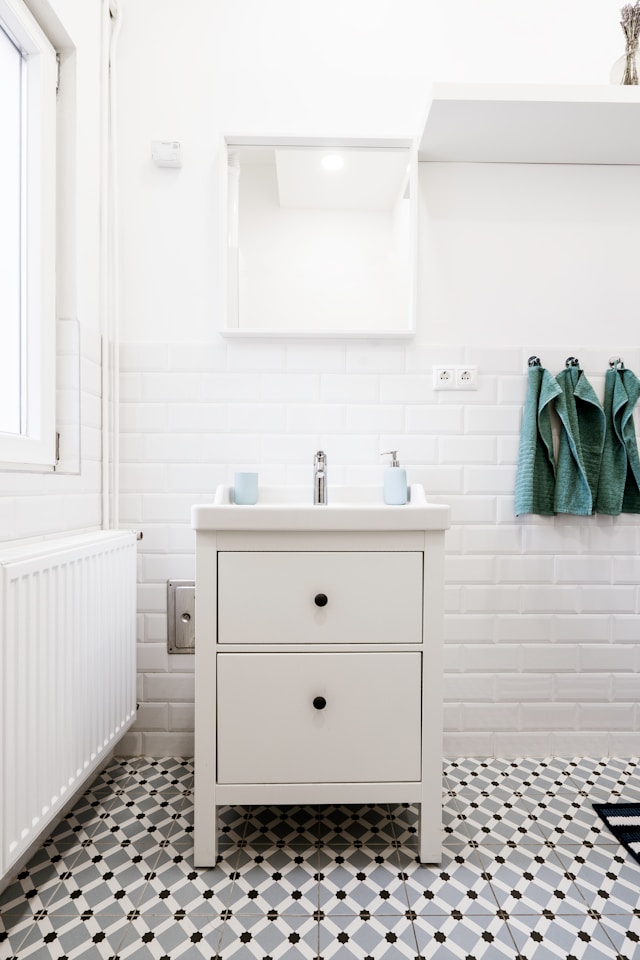
For Small Bathrooms: In smaller spaces, efficiency is key. Compact fixtures such as pedestal sinks, floating vanities, and corner showers can free up floor space. Open shelving instead of bulky cabinets can provide storage while giving the illusion of a more open room. Mirrors also work wonders to make the space feel larger, reflecting light and making the room appear bigger than it actually is. Sliding or pocket doors are great for smaller bathrooms, as they take up less space than traditional doors.

For Larger Bathrooms: If you have more space to work with, consider adding features like a double vanity, a separate tub and shower area, or even a dressing area. In larger bathrooms, the layout can be more dynamic, with designated zones for bathing, grooming, and dressing. This allows you to create a luxurious, spa-like experience.

2. Choosing the Right Materials

The materials you select for your bathroom should be durable and water-resistant, but they should also reflect your personal style. Whether you prefer sleek, modern lines or a more classic, traditional look, there are a wide range of materials that can help you achieve the bathroom design you desire.

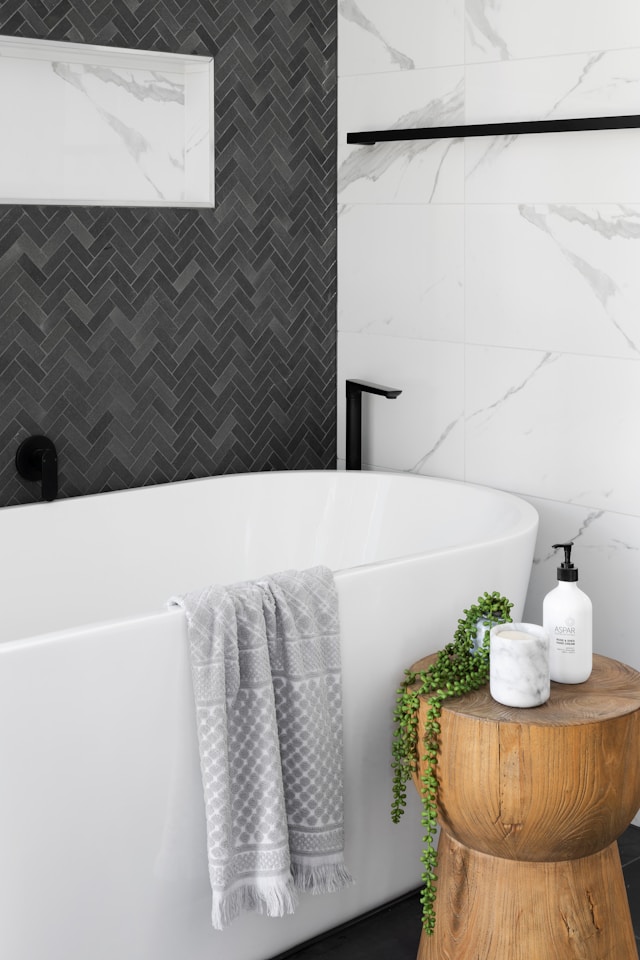
Tiles: Tiles are perhaps the most common material in bathrooms because of their water-resistant nature. They come in a wide variety of styles, including ceramic, porcelain, glass, and stone, each of which offers a different look and feel. Large-format tiles can make a small bathroom feel more spacious, while intricate mosaics can add visual interest to a larger space. You can also mix and match tiles—using plain, neutral tiles for most of the room while creating a feature wall or a bold floor design.

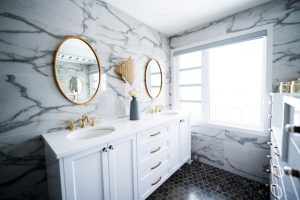
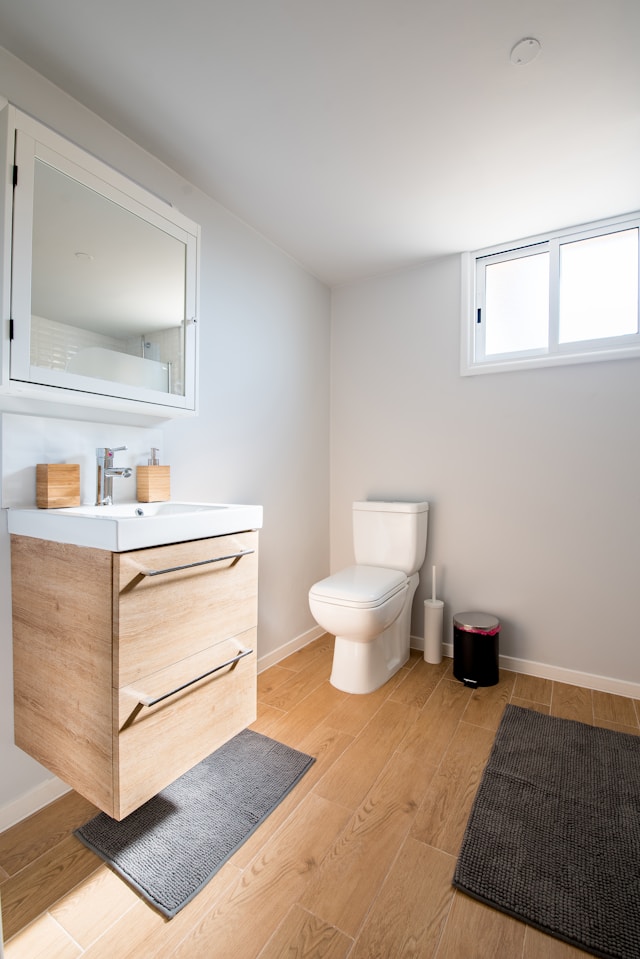
Natural Materials: Wood, stone, and other natural materials add warmth and texture to a bathroom. While wood is not typically associated with bathrooms, when properly sealed, it can be a great addition, especially in creating a warm and rustic feel. Stone, whether used on countertops, walls, or floors, adds a luxurious touch, and materials like marble or granite can turn a simple bathroom into an elegant retreat.

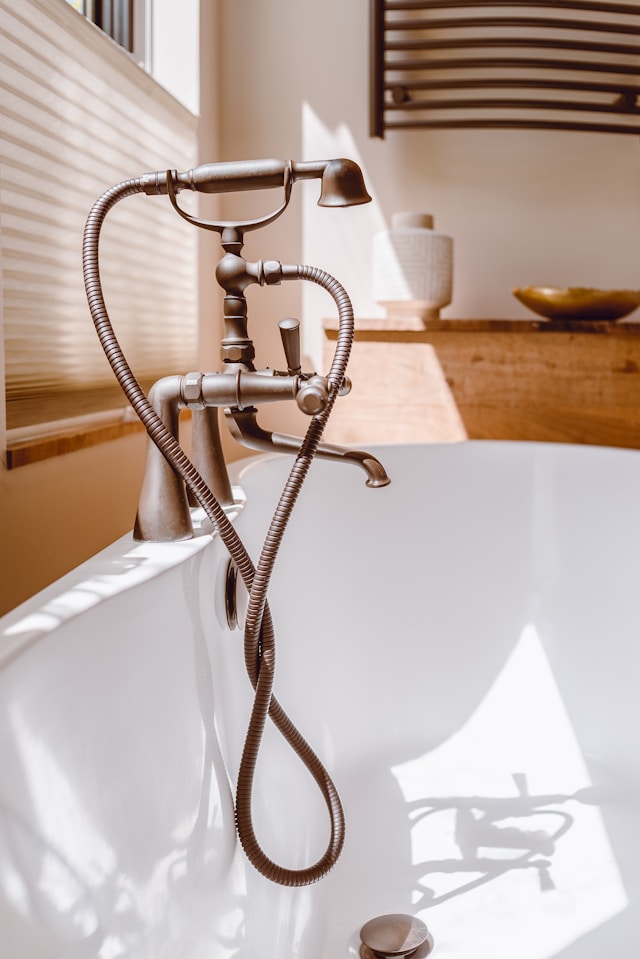
Metal Accents: Metal finishes—whether chrome, brass, or matte black—can be used in faucets, showerheads, and hardware to create a cohesive and modern look. Consider coordinating these metal elements throughout the space for a polished finish.

3. Maximizing Natural Light

Natural light plays a huge role in how a bathroom feels. Not only does it brighten the space, making it feel larger and more inviting, but it also affects the mood of the room. When designing a bathroom, it’s important to think about how you can maximize the available natural light.

Windows and Skylights: If privacy is not an issue, large windows or even floor-to-ceiling glass can flood your bathroom with natural light. For bathrooms where privacy is important, frosted or textured glass windows can provide the perfect balance between light and privacy. Skylights are another great option, especially in bathrooms that don’t have exterior walls for windows. They let in a lot of natural light without compromising privacy.

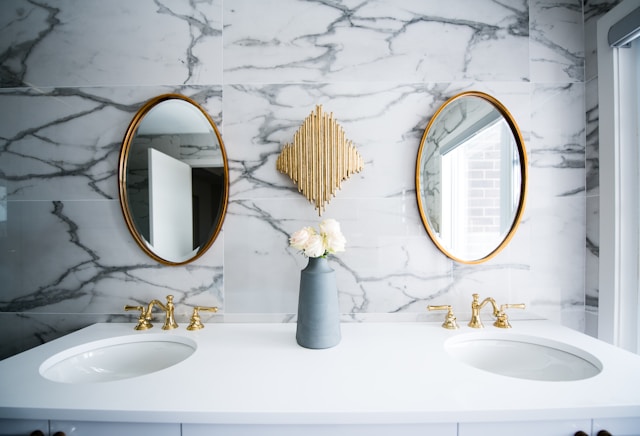
Mirrors: Mirrors reflect light and can enhance the brightness of a room. Placing a mirror directly across from a window or light source will help distribute natural light throughout the space. In smaller bathrooms, large mirrors can also create the illusion of more space.

Lighting Fixtures: If your bathroom doesn’t have a lot of natural light, or if you want to enhance the lighting for nighttime use, make sure to incorporate layers of lighting. Overhead lights provide general illumination, while task lighting, such as sconces or vanity lights, will help with grooming. Consider dimmable lights to create a softer, more relaxing ambiance when needed.
4. Color and Texture to Set the Mood

The color scheme of your bathroom plays a significant role in creating the overall atmosphere. You can choose soothing, neutral tones for a calming environment or bold, vibrant colors to inject personality into the space.

Neutral Palettes: Shades of white, beige, gray, and soft pastels create a serene and calming atmosphere, perfect for a relaxing bath or shower. Neutral tones are also timeless, ensuring that your bathroom won’t feel dated in a few years. Additionally, neutral colors provide a versatile backdrop that allows you to change up your décor with accessories like towels, artwork, and rugs.

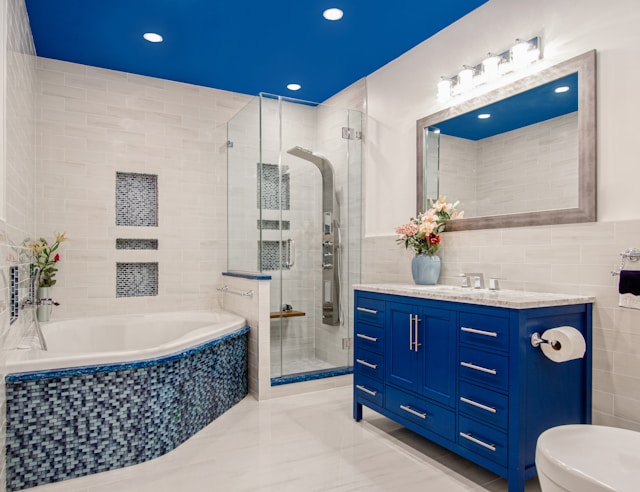
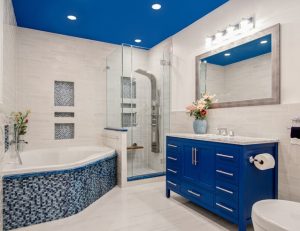
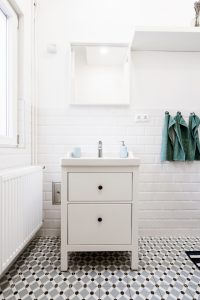
Bold Colors and Patterns: If you prefer something more daring, consider using bold colors or dramatic patterns. Deep blues, greens, or even black can create a striking and modern look. Patterned tiles, colorful cabinetry, or statement wallpaper can add personality to your bathroom, making it feel unique and personal. The key is balance—use bold elements sparingly to avoid overwhelming the space.

Texture: Adding texture to your bathroom design helps to create depth and interest. You can introduce texture through materials like wood, stone, and woven accessories. For example, a rough-hewn stone countertop paired with smooth, glossy tiles creates a pleasing contrast that adds visual appeal to the space.

5. Personalizing the Space with Décor

The final touches in your bathroom design come down to the details. Accessories and décor are where you can truly personalize the space, making it feel like an extension of your personality and style.

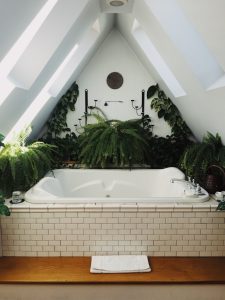
Artwork and Plants: Adding artwork to a bathroom may not be the first thing that comes to mind, but it’s an excellent way to infuse the space with personality. Choose pieces that are moisture-resistant, like metal prints or framed pieces under glass. Plants are another great option, as they thrive in the humid bathroom environment and add a natural element to the space.

Textiles: Towels, bath mats, and shower curtains are an easy and affordable way to update your bathroom. Choose colors and patterns that complement your overall design, or go for high-quality textiles in neutral tones for a spa-like feel. Switching out textiles is also a great way to refresh the space without committing to a full renovation.

Storage Solutions: Beyond aesthetics, functionality is key in a bathroom. Keeping the space organized with smart storage solutions is essential for maintaining a clutter-free environment. Baskets, trays, and wall-mounted shelves can hold toiletries and other bathroom essentials while adding to the overall design.

6. Eco-Friendly Design Choices

Sustainability is becoming increasingly important in home design, and the bathroom is no exception. From water-saving fixtures to energy-efficient lighting, there are plenty of ways to make your bathroom more environmentally friendly.

Low-Flow Fixtures: Install low-flow toilets, faucets, and showerheads to reduce water consumption without sacrificing performance. Many modern fixtures are designed to conserve water while maintaining strong water pressure, ensuring a comfortable experience while being eco-conscious.

Sustainable Materials: When choosing materials for your bathroom, consider options that are sustainable and have a minimal environmental impact. Bamboo, for example, is a fast-growing and renewable resource that works well for bathroom flooring, cabinetry, and accessories.

Energy Efficiency: Lighting is another area where you can save energy. LED lights are much more energy-efficient than traditional bulbs, and they last longer, making them a smart choice for bathrooms.

Conclusion

Whether you’re designing a brand-new bathroom or remodeling an existing one, the possibilities for personalization and creativity are endless. By focusing on layout, materials, lighting, color, and décor, you can create a bathroom that not only meets your functional needs but also serves as a reflection of your personal style. With thoughtful design, your bathroom can be more than just a utilitarian space—it can become a sanctuary where you start and end your day with comfort and style.
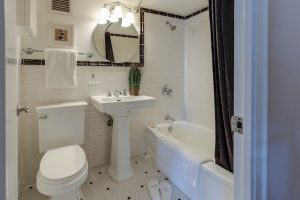
The Ultimate Guide to Bathroom Fixtures & Accessories: Enhancing Functionality and Style

Designing a bathroom is more than just choosing tiles and paint colors. The real functionality and aesthetic appeal come from selecting the right fixtures and accessories that balance both utility and design. From faucets to towel bars, each element adds a unique contribution to how your bathroom looks and operates. Whether you are renovating your bathroom or designing a new one, understanding how to choose bathroom fixtures and accessories will help create a cohesive and comfortable space. This guide explores various aspects of selecting the right components to elevate both the functionality and visual appeal of your bathroom.

Selecting the Right Fixtures

Bathroom fixtures are fundamental parts of any bathroom. They include sinks, toilets, bathtubs, showers, and faucets. Each fixture not only needs to fulfill a practical role but also set the tone for the style of the space.

Sinks: Style and Substance

When it comes to sinks, the design options are vast, offering different sizes, shapes, and installation methods to fit your space and style preferences. Common types of bathroom sinks include:

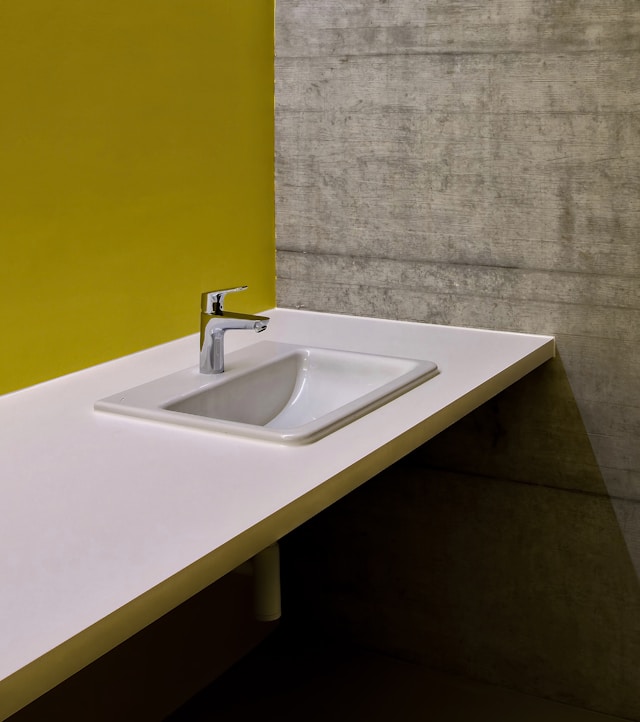
  • Undermount Sinks: These sinks are installed underneath the countertop, providing a sleek and seamless look. They are ideal for modern bathrooms and are easy to clean since there are no edges between the sink and the counter.
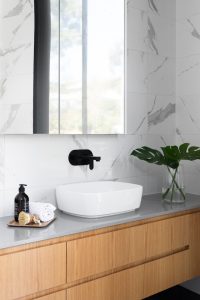
  • Vessel Sinks: Mounted on top of the counter, vessel sinks add a bold, artistic touch. They come in various materials like glass, stone, or ceramic, and can be the centerpiece of your bathroom design.
  • Wall-Mounted Sinks: Great for smaller bathrooms, wall-mounted sinks take up less space and can make the bathroom feel more open. These sinks also give the bathroom a minimalist, contemporary look.

Toilets: Combining Efficiency with Comfort

Choosing the right toilet is an important decision that impacts the daily usability of your bathroom. There are a few different styles and features to consider:

  • One-Piece Toilets: These are compact and easy to clean since the tank and bowl are a single unit. One-piece toilets tend to have a more modern, streamlined appearance.
  • Two-Piece Toilets: In this traditional design, the bowl and tank are separate pieces. These toilets are often more affordable and are easier to repair since you can replace individual components.
  • Wall-Hung Toilets: Ideal for saving space, wall-hung toilets are installed into the wall, allowing more floor space to be visible, which can make a small bathroom feel larger. They also offer a modern, minimalist look.
  • Smart Toilets: Advanced toilets with features like bidet functions, heated seats, and automatic flushing can provide an extra level of comfort and luxury, although they tend to be more expensive.

Bathtubs and Showers: Key Elements of Relaxation

Your choice of bathtub or shower can transform your bathroom into a spa-like retreat. There are various styles and features to consider:

  • Freestanding Tubs: These tubs are a popular choice for large bathrooms where the bathtub can serve as a centerpiece. They come in various styles from traditional clawfoot to modern oval designs.
  • Soaking Tubs: Deeper than standard bathtubs, soaking tubs are designed for ultimate relaxation. They are perfect for those who love to unwind with a long, warm bath.
  • Walk-In Showers: A walk-in shower with a frameless glass door gives the bathroom a contemporary, open feel. Rainfall showerheads, body sprays, and steam functions can enhance the experience.
  • Shower-Tub Combos: These are practical solutions for smaller bathrooms or those needing versatility. They offer both a relaxing bath and a quick shower within the same unit.

Faucets: Functionality Meets Aesthetic

Faucets are one of the most-used fixtures in the bathroom, and choosing the right one is essential for both style and convenience. There are different types of faucets to match different sink designs and personal preferences:

  • Single-Hole Faucets: These faucets combine the spout and handle into one unit, making them easy to use and install. They are perfect for a minimalist design.
  • Widespread Faucets: With separate handles for hot and cold water, these faucets offer a more traditional look. They require more space but provide excellent water control.
  • Wall-Mounted Faucets: For a unique and modern look, wall-mounted faucets pair well with vessel sinks or undermount sinks. These faucets free up counter space and create a clean, sleek look.

When choosing a faucet, it’s important to also consider the finish. Options like chrome, brushed nickel, brass, and matte black can significantly affect the overall look of the bathroom. Chrome is shiny and easy to clean, while brushed finishes hide water spots better. Matte black is a trendy, bold choice that works well in modern spaces.

The Importance of Accessories

While fixtures are necessary for the basic function of a bathroom, accessories add the finishing touches that enhance both usability and style. These elements bring together the overall look and make the space feel polished and complete.

Mirrors: Reflecting Light and Style

Mirrors are a key accessory in any bathroom, serving both functional and aesthetic purposes.

  • Frameless Mirrors: These offer a sleek and modern look, making the bathroom feel more spacious and clean. They are perfect for minimalist designs.
  • Framed Mirrors: Frames can add character to your bathroom. Whether you choose a simple wooden frame for a rustic look or a gilded frame for a luxurious feel, framed mirrors can tie together the design theme.
  • LED Mirrors: Mirrors with built-in LED lighting are great for grooming tasks as they provide even lighting. They also add a modern, high-tech element to the bathroom.

Towel Racks and Holders: Practical Solutions

Towel racks, bars, and holders are essential for keeping towels organized and within reach. They also contribute to the room’s overall look:

  • Heated Towel Racks: Adding a heated towel rack not only provides the luxury of warm towels but also helps them dry faster, reducing mildew.
  • Freestanding Towel Racks: For larger bathrooms, freestanding towel racks offer flexibility and style. These racks can be moved to suit your needs and hold multiple towels at once.
  • Towel Rings and Bars: Mounted near sinks and bathtubs, towel rings and bars keep towels accessible. Choose finishes that match your faucets and other hardware for a cohesive look.

Storage Solutions: Maximizing Space

Storage is critical in bathrooms, especially small ones. The right storage accessories can help you keep things tidy without sacrificing style:

  • Vanity Cabinets: A vanity with built-in storage helps hide away toiletries and cleaning supplies, keeping the bathroom clutter-free. Modern vanities often feature pull-out shelves or built-in organizers for added convenience.
  • Wall Shelves: Floating shelves provide extra storage for small bathrooms and can be used to display decorative items like plants, candles, or folded towels.
  • Storage Baskets: Stylish storage baskets placed under the sink or on open shelving can keep smaller items organized while adding texture and warmth to the space.

Hooks and Bars: Keeping Everything In Its Place

Towel hooks, bars, and rings are not only practical but also play a role in the bathroom’s design. Choose options that match the finishes of your fixtures to ensure consistency in style.

  • Wall Hooks: Simple wall hooks can hold towels, bathrobes, or clothes and can be placed strategically to make the bathroom more functional.
  • Over-the-Door Hooks: In smaller bathrooms, over-the-door hooks are an easy and effective way to add hanging space without drilling into walls.

Soap Dispensers and Holders: Small but Impactful

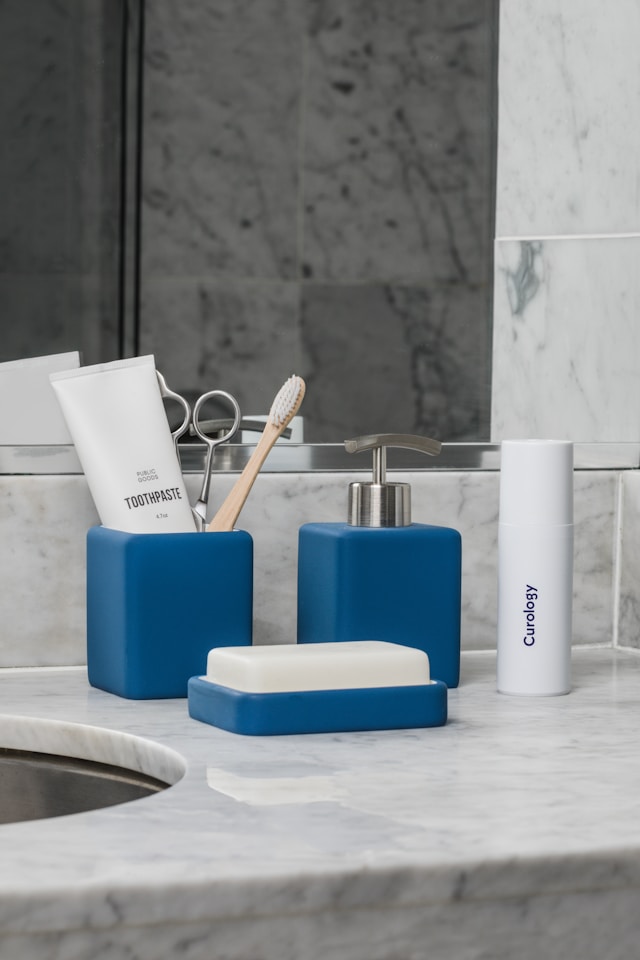
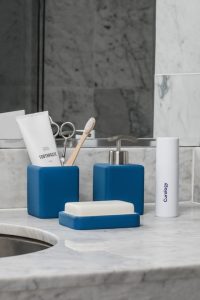
Even the smallest details can make a difference in your bathroom’s overall design. Coordinating soap dispensers, toothbrush holders, and other countertop accessories create a cohesive look.

  • Matching Sets: Purchase soap dispensers and accessories that come in matching sets to create a uniform appearance.
  • Wall-Mounted Dispensers: To save counter space, consider wall-mounted soap dispensers. These not only look sleek but also keep the sink area free from clutter.

Lighting: Setting the Mood

Lighting plays a significant role in how your bathroom feels and functions. The right lighting setup can make a bathroom feel more welcoming and luxurious:

  • Vanity Lighting: Proper lighting around the vanity is essential for grooming tasks. Installing sconces on either side of the mirror helps eliminate shadows, making it easier to shave or apply makeup.
  • Overhead Lighting: Recessed lighting or chandeliers can provide general illumination. In larger bathrooms, a statement chandelier can add a touch of elegance.
  • Accent Lighting: LED strips under cabinets or behind mirrors add a modern touch and create a soft glow that enhances the ambiance of the bathroom.

Matching Fixtures and Accessories for Cohesion

For a polished, cohesive look, it’s essential to coordinate the finishes and styles of your fixtures and accessories. A bathroom with mismatched metals or clashing styles can feel disjointed, even if the individual elements are beautiful.

  • Choose Consistent Finishes: Whether you prefer chrome, brass, or matte black, sticking to one finish across faucets, towel bars, and lighting fixtures will help create a unified design.
  • Complementary Styles: If you’re designing a modern bathroom, choose sleek, minimalist fixtures and accessories. For a more traditional bathroom, opt for classic designs with ornate details.

Conclusion

When it comes to bathroom design, fixtures and accessories are the defining elements that transform a basic bathroom into a personalized, functional, and beautiful space. By carefully selecting the right components—whether it’s a freestanding bathtub, a heated towel rack, or a stylish faucet—you can create a bathroom that reflects your personal style while meeting your daily needs. The right combination of fixtures and accessories not only enhances the aesthetics but also ensures that your bathroom is a comfortable, practical, and enjoyable place to be.

Sustainable Sanctuary: Crafting the Perfect Eco-Friendly Bathroom

In today’s world, sustainability is more than just a trend—it’s a necessity. As individuals become increasingly aware of their environmental impact, one area often overlooked is the bathroom. However, creating an eco-friendly bathroom can be both a practical and aesthetically pleasing way to contribute to a more sustainable lifestyle. From water conservation to using natural materials, the options for designing an eco-conscious bathroom are abundant. This article will explore the various ways to make your bathroom a green oasis, with a focus on sustainability, comfort, and functionality.

Water Conservation: The Foundation of an Eco-Friendly Bathroom

Water conservation is at the heart of any eco-friendly bathroom. The bathroom is one of the most water-intensive areas of a home, with toilets, showers, and sinks accounting for a significant portion of daily water usage. Luckily, there are a variety of solutions to reduce water consumption without compromising on comfort or style.

Low-Flow Fixtures

Switching to low-flow toilets, faucets, and showerheads can dramatically reduce water usage. Low-flow toilets, for instance, use as little as 1.28 gallons per flush, compared to older models that may use up to 7 gallons. Dual-flush toilets provide even more flexibility by offering a low-flow option for liquid waste and a standard flow for solid waste.

Low-flow showerheads and faucets also play a crucial role. A typical showerhead uses 2.5 gallons of water per minute, but a low-flow version can reduce that by nearly half, saving thousands of gallons of water per year. Modern designs ensure that water pressure and the quality of the experience are not compromised, making this an easy switch for eco-conscious homeowners.

Greywater Systems

A more advanced method of water conservation is installing a greywater recycling system. Greywater, which is the relatively clean wastewater from baths, sinks, and washing machines, can be filtered and reused for purposes such as flushing toilets or watering plants. While greywater systems may require an upfront investment, they can significantly reduce household water consumption and lower utility bills over time.

Rainwater Harvesting

Another method of water conservation is installing a rainwater harvesting system. Rainwater can be collected, stored, and filtered for use in the bathroom, particularly for flushing toilets or even showering. Rainwater is naturally soft, reducing the need for water softeners and further contributing to an eco-friendly household.

Energy Efficiency: Greening the Bathroom

Beyond water conservation, energy efficiency is a key component of an eco-friendly bathroom. Heating, lighting, and ventilation all contribute to the bathroom’s environmental footprint, but with a few smart changes, you can drastically cut down on energy consumption.

Energy-Efficient Lighting

One of the easiest ways to improve energy efficiency in the bathroom is by switching to LED lighting. LEDs use far less electricity than traditional incandescent bulbs, lasting up to 25 times longer and consuming up to 90% less energy. By installing LED bulbs in overhead lighting, vanity lights, and even shower lighting, you can create a well-lit bathroom that’s both eco-friendly and cost-effective.

Additionally, consider installing dimmer switches or motion sensors to reduce unnecessary energy use. Dimmers allow for adjustable lighting depending on the time of day or mood, while motion sensors ensure that lights are only on when the bathroom is in use.

Solar Water Heating

Water heating is another area where energy can be saved. Traditional water heaters consume a large amount of electricity or gas, but solar water heaters offer an eco-friendly alternative. Solar water heaters use the sun’s energy to heat water, which can then be used for showers, baths, and sinks. This renewable energy source not only lowers your carbon footprint but also reduces your utility bills in the long run.

If installing a solar water heater is not feasible, consider upgrading to a tankless water heater. Tankless models heat water on demand, eliminating the need for a storage tank and reducing standby energy losses.

Improving Insulation

Insulation plays a vital role in maintaining the energy efficiency of a bathroom. Ensuring that walls, floors, and windows are properly insulated helps maintain a stable temperature, reducing the need for excessive heating or cooling. Double-glazed windows, for example, reduce heat loss in the winter and keep the bathroom cooler in the summer, making it easier to regulate the temperature without relying heavily on HVAC systems.

Sustainable Materials: Building with Nature in Mind

The materials used in bathroom construction and decor have a profound impact on the environment. Choosing sustainable, recycled, or responsibly sourced materials not only reduces your environmental footprint but can also create a healthier, toxin-free space.

Natural Flooring and Wall Materials

Opting for natural and sustainable materials for your bathroom’s floors and walls is a great way to reduce your environmental impact. Cork and bamboo are excellent choices for flooring. Bamboo, in particular, is highly renewable, growing much faster than traditional hardwoods. It’s also durable and resistant to water, making it ideal for bathroom environments. Cork, another renewable resource, is not only eco-friendly but also provides a soft, comfortable surface underfoot.

For wall coverings, reclaimed wood and recycled glass tiles are stylish and sustainable options. Reclaimed wood brings warmth and texture to the bathroom, while recycled glass tiles are not only eco-friendly but also come in a wide range of colors and designs, making them a versatile choice for walls and backsplashes.

Eco-Friendly Paint and Finishes

Conventional paints and finishes often contain volatile organic compounds (VOCs), which can release harmful chemicals into the air long after the paint has dried. Low-VOC or zero-VOC paints are a much healthier option, contributing to better indoor air quality. These eco-friendly paints are widely available and come in a variety of colors and finishes, allowing you to create the bathroom of your dreams without compromising your health or the environment.

For countertops and other surfaces, consider using materials like recycled concrete, reclaimed wood, or sustainable natural stone such as soapstone or marble. These materials are durable, beautiful, and have a lower environmental impact than synthetic alternatives.

Reducing Waste: Eco-Friendly Bathroom Habits

An eco-friendly bathroom isn’t just about design—it’s also about daily habits. Reducing waste, both in terms of water and physical products, is essential for creating a truly sustainable bathroom.

Reusable and Biodegradable Products

Replacing single-use items with reusable alternatives is a simple yet effective way to reduce waste. Swap disposable razors for reusable ones, use washable cloth towels instead of paper towels, and invest in a quality shower curtain made from natural materials rather than plastic.

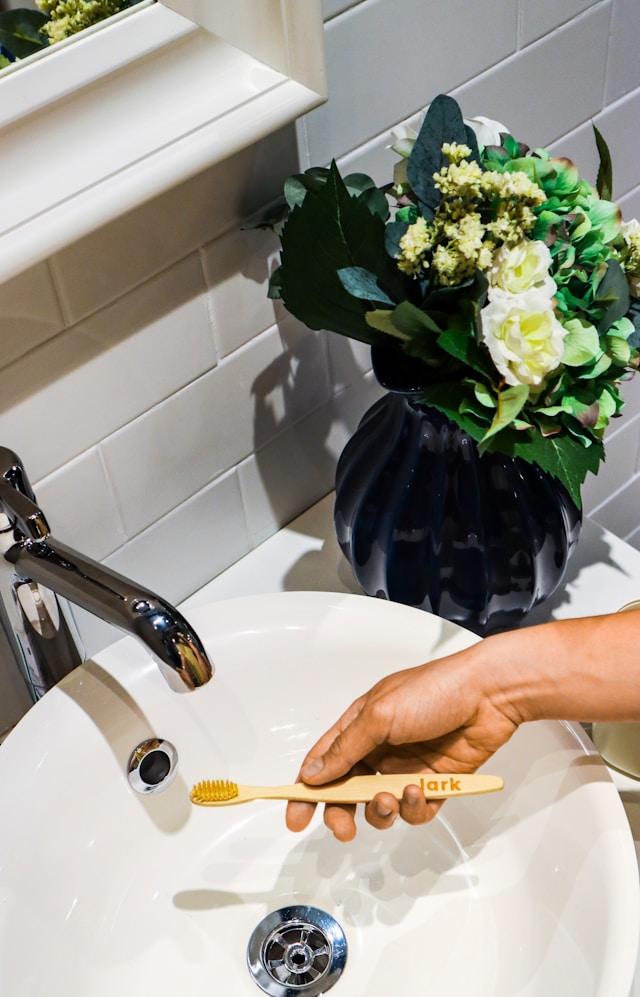
Similarly, personal care products like toothbrushes and combs can be made from biodegradable materials such as bamboo. Many companies now offer eco-friendly personal care products, from toothpaste tablets to shampoo bars, which eliminate the need for plastic packaging.

Sustainable Cleaning Products

Traditional bathroom cleaners often contain harsh chemicals that are harmful to both human health and the environment. Opting for natural, biodegradable cleaning products ensures that no toxic substances are released into the water system or the air. Many eco-friendly cleaners use ingredients like vinegar, baking soda, and essential oils, which are just as effective at cleaning as their chemical-laden counterparts but are much gentler on the planet.

Ventilation and Air Quality

Maintaining good air quality in the bathroom is essential for both health and sustainability. Proper ventilation prevents mold and mildew, which can damage surfaces and require the use of harmful chemicals to clean. Installing an energy-efficient exhaust fan helps circulate air and reduces humidity levels, keeping the bathroom fresh and reducing the need for frequent cleaning.

Incorporating plants into your bathroom design is another way to improve air quality. Certain plants, such as spider plants, aloe vera, and Boston ferns, naturally purify the air by absorbing toxins. Additionally, plants add a natural element to the bathroom, creating a relaxing and spa-like atmosphere.

Final Thoughts: Eco-Friendly Bathrooms for a Greener Future

Designing an eco-friendly bathroom is about making thoughtful, sustainable choices that reduce environmental impact while creating a comfortable and beautiful space. By focusing on water and energy conservation, using sustainable materials, and reducing waste, homeowners can create bathrooms that contribute to a greener future.

Incorporating eco-friendly elements into bathroom design not only benefits the planet but also enhances the overall quality of life for homeowners. With just a few simple changes, anyone can transform their bathroom into a sustainable sanctuary that reflects a commitment to the environment while offering a serene, stylish, and functional space. Whether building from scratch or making gradual improvements, the journey toward an eco-friendly bathroom is one that pays off in environmental benefits and personal well-being.

Revitalize Your Home: A Comprehensive Guide to Renovation and Remodeling

Renovating or remodeling your home is an exhilarating journey that can profoundly enhance your living space. It’s more than just a facelift; it’s an opportunity to create a home that reflects your personality, caters to your lifestyle, and meets your evolving needs. Whether you’re considering a small upgrade or a major overhaul, understanding the process, options, and potential challenges can help ensure your project is successful.

Understanding Renovation vs. Remodeling

Before diving into specifics, it’s essential to understand the distinction between renovation and remodeling, as the terms are often used interchangeably but imply different things.

  • Renovation generally refers to restoring something to a good state of repair. This can include minor updates, such as new paint, flooring, or fixtures, without altering the structure or layout of the space. The goal of renovation is often to refresh the existing design and functionality of a space.
  • Remodeling, on the other hand, involves making significant changes to the structure or layout of a space. This might include altering floor plans, adding new rooms, or changing the function of a room entirely. Remodeling transforms the space, creating a new environment altogether.

Understanding these differences is crucial when planning your project, as it will influence your budget, timeline, and approach.

Assessing Your Needs

Before embarking on any renovation or remodeling project, take time to assess your needs and desires. Consider the following questions:

  • What are the primary reasons for your renovation or remodeling? Do you need more space? Is your family growing? Are you looking to increase the value of your home for a future sale? Or do you simply want a change in your living environment?
  • How do you envision your space? Spend time thinking about your style preferences. Collect images, create mood boards, or visit showrooms to get inspiration. Knowing what you want will make the design process smoother.
  • What is your budget? Be realistic about how much you can afford to spend. Remember to factor in additional costs such as permits, contractor fees, and unexpected expenses.

Once you’ve defined your needs and goals, you’ll have a clearer direction as you move forward with your project.

Developing a Comprehensive Plan

Having a detailed plan is crucial for the success of any renovation or remodeling project. Here are some key elements to consider when developing your plan:

  • Create a Timeline: Establish a realistic timeline for your project. Factor in the time needed for planning, obtaining permits, hiring contractors, and the actual construction work. Keep in mind that delays are common in renovation projects, so be flexible.
  • Hire Professionals: Depending on the complexity of your project, you may need to hire a team of professionals, including architects, designers, and contractors. Research potential candidates thoroughly and check their references. Choose individuals who understand your vision and can work within your budget.
  • Design and Layout: Work with your designer to create a layout that maximizes the functionality of your space. Consider traffic flow, lighting, and storage solutions. For instance, in kitchen remodeling, consider the work triangle between the sink, stove, and refrigerator for optimal efficiency.
  • Material Selection: Choose materials that align with your style and budget. Consider durability, maintenance, and sustainability. For example, if you’re remodeling your bathroom, you might opt for ceramic tiles that are water-resistant and easy to clean.

Navigating the Permitting Process

Depending on the scope of your project, you may need to obtain permits from your local municipality. These permits ensure that your renovation or remodeling complies with building codes and safety regulations. Here’s how to navigate the process:

  • Research Requirements: Visit your local government website or contact your building department to understand the specific permits you’ll need. Common projects requiring permits include structural changes, plumbing, electrical work, and significant remodeling.
  • Submit Applications: Prepare and submit the necessary applications along with any required documentation. This may include detailed plans, drawings, and descriptions of the work to be done.
  • Schedule Inspections: Once permits are granted, you may need to schedule inspections at various stages of your project to ensure compliance with safety standards.

Navigating the permitting process can be time-consuming, so it’s essential to factor this into your timeline.

Staying on Budget

Budgeting for your renovation or remodeling project is crucial. Here are some tips to help you stay on track financially:

  • Create a Detailed Budget: List all potential costs, including materials, labor, permits, and furnishings. Be specific and thorough to avoid surprises later on.
  • Plan for Contingencies: Unexpected expenses often arise during renovations. Set aside a contingency fund, typically around 10-20% of your total budget, to cover these unforeseen costs.
  • Monitor Spending: Regularly track your spending against your budget throughout the project. If you notice costs creeping higher, assess where adjustments can be made.

Overcoming Challenges

Every renovation or remodeling project comes with its own set of challenges. Being prepared for these challenges can help you navigate them effectively:

  • Delays: Construction projects can encounter delays due to various factors, such as weather, supply chain issues, or contractor availability. Be patient and flexible, and maintain open communication with your contractors to stay informed.
  • Unexpected Repairs: When renovating older homes, you may uncover hidden issues, such as outdated wiring or plumbing problems. It’s essential to address these repairs promptly, even if they mean adjusting your budget or timeline.
  • Design Changes: As the project unfolds, you may find that some design elements don’t work as you envisioned. Be open to adjustments and communicate with your designer to find effective solutions.

Embracing Sustainability

In today’s world, sustainable renovation practices are increasingly important. Incorporating eco-friendly materials and energy-efficient solutions into your project can benefit the environment and lower your utility bills. Here are some ways to embrace sustainability:

  • Energy-Efficient Appliances: Upgrade to energy-efficient appliances that use less water and electricity. Look for ENERGY STAR-rated products to minimize your carbon footprint.
  • Sustainable Materials: Choose sustainable materials such as reclaimed wood, bamboo flooring, and low-VOC paints. These materials are not only environmentally friendly but also add character and warmth to your space.
  • Water Conservation: Install water-saving fixtures in your bathroom and kitchen, such as low-flow toilets, faucets, and showerheads. Implementing rainwater harvesting systems can also be beneficial in certain regions.
  • Maximize Natural Light: Design your space to make the most of natural light, reducing the need for artificial lighting during the day. Consider larger windows, skylights, or glass doors to brighten your home.

Final Touches and Personalization

As your renovation or remodeling project nears completion, it’s time to focus on the finishing touches that will make your space feel like home. Consider the following:

  • Furnishings: Invest in quality furniture that suits your style and fits the space. Consider multi-functional pieces, especially in smaller areas, to maximize usability.
  • Decor and Accessories: Add personality to your space with decorative elements like artwork, rugs, and throw pillows. These items can enhance your design and make your home feel inviting.
  • Landscaping: If your renovation involves outdoor spaces, consider landscaping as part of your project. Incorporate native plants, pathways, and outdoor seating to create an inviting environment.
  • Technology Integration: Embrace smart home technology to enhance your living experience. Install smart thermostats, lighting, and security systems for convenience and efficiency.

Conclusion

Renovation and remodeling are significant undertakings that can dramatically improve your home’s functionality and aesthetic appeal. By understanding the differences between renovation and remodeling, assessing your needs, developing a comprehensive plan, and navigating the challenges that may arise, you can create a space that truly reflects your lifestyle and personality. Embracing sustainability, focusing on the finishing touches, and being prepared for the journey will ensure a successful transformation. Whether it’s a small update or a major overhaul, your newly renovated space will provide joy, comfort, and functionality for years to come.

Eco-Friendly Bathrooms: A Modern Approach to Sustainability and Style

In today’s world, sustainability isn’t just a trend; it’s becoming a necessity. Every room in the house has the potential to become more eco-friendly, and the bathroom, one of the most resource-heavy spaces, is a perfect place to start. Eco-friendly bathrooms are no longer just about conserving water; they involve a holistic approach to reducing environmental impact through smart design choices, energy-efficient technologies, and sustainable materials. In this article, we’ll explore how to create a bathroom that’s both green and stylish, offering practical steps to design a space that reduces your ecological footprint while maintaining modern aesthetics.

The Power of Water Conservation

Water conservation is at the heart of eco-friendly bathroom design. The bathroom is a space where significant amounts of water are consumed daily, so it makes sense to begin here when thinking about reducing resource use.

Efficient Fixtures

The most effective way to save water in the bathroom is through the installation of efficient fixtures. Low-flow showerheads, for example, can reduce water use by up to 40% while still providing a satisfying shower experience. These showerheads mix air with water to create a strong flow without wasting excess water.

Dual-flush toilets are another important feature. Traditional toilets can use as much as 3.5 gallons per flush, but a dual-flush system allows the user to choose between a lighter flush for liquid waste and a heavier one for solid waste. This simple change can save thousands of gallons of water over the course of a year.

Water-Saving Taps

Water-saving faucets are another way to curb excessive water use. Sensor-activated taps or those with aerators can limit water flow without sacrificing convenience. These fixtures minimize the waste caused by running water while brushing teeth or washing hands, allowing users to use only as much as they need.

Energy Efficiency: A Greener Way to Heat and Light

Energy use in the bathroom may not be as high as in other parts of the home, but it can still add up, especially when considering lighting, heating, and water heating. Opting for energy-efficient solutions helps reduce both your carbon footprint and utility bills.

Efficient Lighting

One of the easiest ways to make a bathroom more energy-efficient is through lighting. LED lights use significantly less energy than traditional bulbs and last much longer, meaning fewer replacements over time. Additionally, LEDs offer a wide range of color temperatures and dimming options, allowing homeowners to set the right mood in the bathroom while minimizing electricity use.

Incorporating natural light is another excellent strategy for reducing energy use. Larger windows or strategically placed skylights allow for more daylight to enter the space, reducing the need for artificial lighting during the day. Not only does this cut energy consumption, but it also creates a more inviting atmosphere.

Green Water Heating Solutions

Water heating is another area where energy efficiency can make a huge difference. Tankless water heaters, for instance, provide hot water on demand rather than storing it in a tank, which eliminates the energy wasted in keeping a large volume of water constantly heated. These systems tend to be more efficient than traditional water heaters, especially in households where hot water use is sporadic.

Solar water heaters are another eco-friendly option. While the initial investment may be higher, solar heaters use the power of the sun to heat water, drastically cutting down on electricity or gas consumption in the long run. Paired with energy-efficient fixtures, this can significantly lower a household’s overall energy use.

Sustainable Materials: The Foundation of an Eco-Friendly Bathroom

The materials you choose when designing or renovating a bathroom can have a substantial impact on the environment. From flooring to countertops and tiles, opting for sustainable, non-toxic, and recycled materials is key to reducing the ecological footprint of your bathroom.

Recycled and Reclaimed Materials

Using recycled or reclaimed materials is an excellent way to reduce the need for new resources. For example, recycled glass tiles can be used for backsplashes or shower walls, offering a stylish and sustainable alternative to traditional tiles. Similarly, countertops made from recycled materials such as reclaimed wood, recycled paper composite, or recycled glass add an eco-friendly touch while contributing to a unique aesthetic.

Eco-Friendly Flooring

When it comes to flooring, consider sustainable options like bamboo, cork, or linoleum. Bamboo is a rapidly renewable material that is durable, moisture-resistant, and perfect for bathrooms. Cork, harvested from the bark of cork oak trees, is another renewable material that’s naturally resistant to mold and mildew, making it an excellent choice for humid spaces like bathrooms.

Linoleum, made from natural materials such as linseed oil and cork dust, is biodegradable and long-lasting, making it a more eco-conscious choice than its vinyl counterpart. All of these options are not only better for the environment but are also comfortable underfoot and aesthetically pleasing.

Low-VOC Paints and Finishes

Many conventional paints, finishes, and adhesives contain volatile organic compounds (VOCs), which release harmful chemicals into the air over time. These compounds can contribute to indoor air pollution, negatively affecting the health of those who spend time in the space. To create a healthier and more eco-friendly bathroom, opt for paints, stains, and finishes that are low in VOCs. Many major brands now offer eco-friendly versions that perform just as well as traditional products.

Eco-Friendly Bathroom Accessories

Even the small details in a bathroom can make a big difference when it comes to sustainability. Choosing eco-friendly accessories not only supports a greener lifestyle but can also enhance the overall design aesthetic.

Sustainable Textiles

Consider bath towels and rugs made from organic cotton, bamboo, or other sustainably sourced materials. Organic cotton is grown without the use of harmful pesticides and chemicals, making it a healthier choice for both the environment and the home. Bamboo towels are also a great option as bamboo grows quickly and requires fewer resources than traditional cotton.

Recycled or Biodegradable Products

From toothbrushes to soap dishes, many bathroom accessories can now be found in eco-friendly versions. Toothbrushes made from bamboo are biodegradable, unlike their plastic counterparts, which can take hundreds of years to decompose. Similarly, look for recycled plastic or natural fiber products when selecting bathroom accessories like waste bins, storage containers, or bath mats.

Zero-Waste Toiletries

Incorporating zero-waste toiletries is a simple yet effective way to make your bathroom more eco-friendly. Opt for shampoo and conditioner bars instead of plastic bottles, or use refillable containers for liquid products. Choose biodegradable or compostable packaging when possible, and consider DIY or bulk products to reduce unnecessary waste.

Plants: Natural Air Purifiers

Adding plants to your bathroom is not only an aesthetic choice but also a sustainable one. Many plants naturally filter toxins from the air, creating a healthier environment. Certain plants, like ferns, spider plants, and peace lilies, thrive in the humidity of a bathroom while improving air quality.

By choosing plants that can thrive in the bathroom’s environment, you’re not only beautifying the space but also adding a touch of sustainability. These plants act as natural air purifiers, absorbing harmful chemicals and improving indoor air quality, all while requiring minimal care.

Long-Term Impact: Reducing Waste and Improving Efficiency

Designing an eco-friendly bathroom isn’t just about the initial choices; it’s about maintaining a long-term mindset of sustainability. Once the design is in place, ongoing habits and small changes can further reduce environmental impact.

Routine Maintenance

Maintaining the fixtures and systems in your bathroom is crucial for long-term sustainability. Leaky faucets and inefficient fixtures can waste a lot of water over time, negating the benefits of eco-friendly design. Regularly checking for leaks and ensuring your water heater and ventilation systems are running efficiently will help maintain the eco-friendly nature of your bathroom.

Minimizing Waste in the Bathroom

Reducing the waste generated from personal care products and cleaning supplies can have a lasting impact. Using refillable containers, making your own cleaning products, and purchasing products with minimal packaging are all small steps that contribute to a more sustainable bathroom. Consider composting organic waste, such as tissues or cotton products, to further reduce landfill contributions.

Conclusion

Eco-friendly bathrooms are no longer a luxury reserved for the environmentally conscious few—they are becoming a standard in modern home design. By focusing on water conservation, energy efficiency, sustainable materials, and waste reduction, you can create a bathroom that not only meets your functional and aesthetic needs but also contributes to a healthier planet. Whether you’re renovating an existing space or building from scratch, taking the time to make eco-friendly choices can result in a beautiful, sustainable bathroom that reduces your environmental footprint for years to come.

Maximizing Value: How Renovation & Remodeling Can Transform Your Home

Home renovation and remodeling have become increasingly popular in recent years, fueled by rising housing costs and a desire to enhance the functionality, beauty, and value of one’s living space. While the terms “renovation” and “remodeling” are often used interchangeably, they represent distinct approaches to improving a home. Renovation generally refers to restoring a home to a good condition by making repairs and updates, whereas remodeling involves altering the structure and layout to create a new design. Both processes offer unique opportunities to breathe new life into your home, whether for personal enjoyment or increased market value.

In this article, we’ll explore the critical differences between renovation and remodeling, the benefits of each approach, and how to navigate the planning, budgeting, and execution of home improvement projects to maximize the value and enjoyment of your space.

Understanding the Difference Between Renovation and Remodeling

Before diving into a home improvement project, it’s important to clearly define your goals and whether your needs lean more toward renovation or remodeling.

Renovation typically involves updating or refreshing a space without altering its basic structure. This could involve painting walls, replacing outdated fixtures, upgrading flooring, or refitting cabinets. The key goal of renovation is to bring a space up to date or restore its original charm, often without drastically changing its layout or design.

Remodeling, on the other hand, involves reconfiguring a room or space in a way that alters its original form. This could mean knocking down walls to create an open-concept living area, adding a bathroom, or reworking a kitchen layout to improve flow and efficiency. Remodeling tends to be more complex, time-consuming, and expensive, but it can lead to transformative results that are impossible with simple renovations.

Benefits of Home Renovation

Renovating your home offers several key advantages, especially when the existing structure and layout still meet your needs. Here are some of the most significant benefits:

  1. Increased Property Value: Even small updates can significantly increase the resale value of your home. Simple upgrades like new kitchen appliances, updated bathrooms, and modern flooring can boost the property’s appeal to potential buyers.
  2. Improved Aesthetic Appeal: Renovation allows you to modernize your home’s appearance and decor, giving it a fresh look without the need for major structural changes. This can improve both your satisfaction with your home and its appeal to visitors.
  3. Enhanced Energy Efficiency: Renovating is an opportunity to update older systems and incorporate more energy-efficient options. From replacing windows and insulation to upgrading heating and cooling systems, these improvements can reduce utility bills and increase comfort.
  4. Cost-Effective Upgrades: Renovations are often more budget-friendly than remodeling projects. Because you are working within the existing footprint and structure of the home, labor and material costs are typically lower.
  5. Minimal Disruption: Compared to a full-scale remodel, renovations tend to be quicker and less disruptive to your daily life. You may be able to stay in your home throughout the renovation process, making it more convenient and manageable.

Benefits of Remodeling

While remodeling projects tend to be more complex and costly, they offer unique benefits that can greatly improve the functionality and value of your home. Here are some reasons to consider remodeling over simple renovations:

  1. Customization to Fit Your Lifestyle: One of the biggest advantages of remodeling is the ability to reconfigure a space to better suit your family’s needs. Whether it’s adding a home office, expanding a kitchen, or creating an open-concept living area, remodeling allows you to tailor your home to your specific preferences and lifestyle.
  2. Maximizing Space Efficiency: Remodeling gives you the chance to rethink how space is used. For example, you could transform an underused attic into a guest bedroom, add storage space, or redesign an awkward layout to improve flow and function.
  3. Adding Modern Amenities: Older homes may lack the modern conveniences we’ve come to expect, such as open floor plans, large master suites, or energy-efficient technologies. A remodel gives you the opportunity to bring your home up to modern standards in terms of both style and functionality.
  4. Long-Term Value: While remodeling may require a significant upfront investment, the long-term value it adds to your home can make it worthwhile. Major remodels like kitchen and bathroom overhauls, or adding extra square footage, can provide a strong return on investment when it comes time to sell.
  5. Improved Safety and Code Compliance: Remodeling often involves updating systems like plumbing, electrical, and HVAC. This ensures that your home meets current safety standards and building codes, providing peace of mind and potentially reducing insurance costs.

Planning Your Project

Whether you choose renovation or remodeling, proper planning is key to ensuring your project runs smoothly and stays within budget. Here are some important steps to follow:

  1. Set Clear Goals: Start by identifying what you want to achieve with your project. Do you need more space? Better flow? Modernized features? Clarifying your goals will help guide your decisions throughout the process.
  2. Create a Realistic Budget: Establishing a budget is critical to the success of any home improvement project. Be sure to factor in the cost of materials, labor, permits, and any unexpected expenses. It’s wise to set aside a contingency fund, typically around 10-15% of the total budget, to cover any surprises that arise during the project.
  3. Research and Gather Inspiration: Take time to research design trends, materials, and layouts that fit your style and needs. Platforms like Pinterest, Houzz, and design magazines are great sources of inspiration. It’s also a good idea to consult with a professional designer or architect if you’re planning a major remodel.
  4. Hire the Right Professionals: For larger projects, it’s essential to hire licensed contractors and specialists with experience in renovation or remodeling. Always check references, read reviews, and ensure that your contractor is properly insured and licensed.
  5. Obtain Necessary Permits: Depending on the scope of your project, you may need permits from your local municipality. Be sure to check with local authorities to ensure you comply with all building codes and regulations.
  6. Create a Timeline: Developing a timeline for your project helps keep it on track and minimizes disruptions. Be realistic about how long each phase will take and build in buffer time for unexpected delays.

Execution and Project Management

Once your project is underway, maintaining clear communication with your contractors and professionals is essential. Here are some tips for managing your renovation or remodeling project effectively:

  1. Monitor Progress: Regularly check in on the work being done to ensure it aligns with your vision and meets quality standards. If issues arise, address them promptly to avoid costly delays or mistakes.
  2. Stay Flexible: While planning is crucial, it’s also important to remain flexible and adaptable. Unexpected issues, such as hidden structural damage or material shortages, can impact your timeline and budget. Being willing to adjust your plans as needed will help reduce stress and keep your project moving forward.
  3. Maintain a Clean Workspace: Keeping the worksite clean and organized is important for safety and efficiency. Make sure contractors clean up at the end of each day, and if you’re living in the home during the project, designate specific areas as off-limits to avoid accidents.

Conclusion

Renovation and remodeling projects offer homeowners the opportunity to enhance their living spaces, increase property value, and improve their overall quality of life. By carefully planning, budgeting, and working with experienced professionals, you can ensure that your project is a success. Whether you’re looking to update a single room or undertake a full-scale remodel, the rewards of a well-executed home improvement project are long-lasting. With the right approach, you’ll create a space that not only meets your current needs but also adds beauty, functionality, and value for years to come.

Maximizing Space: Clever Bathroom Storage & Organization Ideas for Every Home

Bathrooms, though often small, are some of the busiest and most essential rooms in our homes. Whether you’re getting ready for work or winding down after a long day, a cluttered and disorganized bathroom can easily become a source of stress. Fortunately, with thoughtful storage solutions and organization strategies, you can transform your bathroom into a well-ordered and serene space. This article will explore various ideas for organizing your bathroom, regardless of size or layout, ensuring that every inch is put to good use.

Assess Your Bathroom Needs

Before jumping into any organizing, take a moment to assess what you have and what you need. Bathrooms tend to accumulate an overwhelming number of items, from toiletries to towels to cleaning products. Begin by decluttering: remove anything expired, unused, or unnecessary. This will give you a clearer picture of what truly needs storage.

Identify Your Essentials

The first step in bathroom organization is determining which items are essential and frequently used. Daily-use products like toothbrushes, face wash, or hand towels should be easily accessible, while less-used items such as bath salts, extra shampoo bottles, or guest towels can be tucked away.

Think About Your Space

Each bathroom is unique, and the layout will significantly affect your storage solutions. Are you working with a small guest bathroom or a larger family bathroom? Understanding your available space will help guide your decisions on shelving, storage bins, and cabinets.

Make Use of Vertical Space

Bathrooms tend to have limited floor space, so one of the most effective ways to increase storage is by utilizing the vertical areas. Walls are often underused but can hold shelves, hooks, and other storage solutions that help clear your countertops.

Floating Shelves

Floating shelves are an excellent way to create more space in a bathroom. These shelves can be installed above the toilet, next to the mirror, or in any available corner. Use them to store decorative items, toiletries, or rolled towels for a spa-like look. Floating shelves not only save space but also add a modern and minimalistic touch to the bathroom.

Over-the-Door Storage

The back of your bathroom door can be used for additional storage. Over-the-door organizers or hooks provide an easy place to hang towels, bathrobes, or bags of extra toiletries. These can be especially useful in small bathrooms where cabinet space is limited.

Towel Racks and Hooks

If floor space is limited, install towel racks or hooks on the walls. Multiple towel bars can be mounted above one another to maximize vertical space. Hooks are another easy addition for robes, towels, or loofahs, and they can be placed on the back of the door or on walls.

Optimize Under-Sink Storage

The space under the sink can become a chaotic dumping ground if left unmanaged. However, with the right storage tools, it can be transformed into an organized and functional area.

Drawer Dividers and Stackable Bins

Consider adding drawer dividers or stackable bins to keep under-sink items neat and accessible. Use these to categorize different items such as hair products, skincare products, or cleaning supplies. Stackable bins can help maximize vertical space, while clear bins make it easy to see what’s inside without rummaging.

Pull-Out Drawers

For deeper cabinets, pull-out drawers or trays are a great solution. They allow easy access to items at the back of the cabinet and prevent things from getting lost in the depths of the space. Install a two-tier pull-out drawer to separate cleaning supplies from personal care items, keeping everything organized and within reach.

Tension Rods

A tension rod can be installed under the sink to hang spray bottles, keeping them off the cabinet floor. This simple addition can free up valuable space and prevent bottles from tipping over or getting tangled.

Vanity Storage Solutions

The vanity is another area where clutter can quickly accumulate. A well-organized vanity not only looks neat but also helps you get ready faster by keeping all your essentials in place.

Drawer Organizers

If your vanity has drawers, use organizers or trays to separate smaller items like makeup, brushes, razors, or hair ties. Organizers with adjustable compartments can be customized to fit your drawer’s layout, ensuring that everything has a designated space.

Acrylic Containers

Acrylic containers are ideal for storing cotton balls, swabs, or makeup sponges. These containers keep items tidy and easily accessible, while their clear design allows you to see exactly what you need at a glance.

Countertop Storage

If you prefer to keep daily-use items on the countertop, use trays or small baskets to corral them. Group similar items together to reduce clutter and create a cohesive look. For instance, store skincare products on one tray and hair tools in another to streamline your morning routine.

Make Use of Awkward Spaces

Every bathroom has awkward spaces that are often overlooked, but these areas can be prime spots for additional storage.

Above-the-Toilet Shelving

The space above the toilet is often underutilized but can be perfect for installing shelves or cabinets. Over-the-toilet shelving units are specifically designed for this purpose and can be used to store towels, extra toilet paper, or decorative items. For a sleeker look, opt for a built-in cabinet that hides clutter behind closed doors.

Corner Shelving

If your bathroom has an empty corner, consider adding a corner shelf or cabinet. These are great for storing extra towels, toiletries, or even a small plant to bring some life into the space. Corner shelves take advantage of typically unused space and can add both function and style to your bathroom.

Recessed Niches

Recessed niches are built into the wall and provide a sleek, streamlined storage solution. These are often found in showers to hold shampoo and soap, but they can also be incorporated into other parts of the bathroom. Use a recessed niche near the vanity for storing toiletries or in the shower area to hold bath products without taking up shelf space.

Invest in Multi-Functional Furniture

Furniture that serves multiple purposes is a smart investment for any bathroom, especially smaller ones. Consider the following options for maximizing both storage and function:

Vanity with Drawers

Instead of a pedestal sink, opt for a vanity that includes drawers or cabinets. This provides much-needed storage space for toiletries, towels, and other essentials. Look for vanities with multiple compartments to keep items neatly organized.

Storage Benches

A storage bench can serve double duty as seating and extra storage. Use the space inside to store towels, extra toilet paper, or cleaning supplies. Storage benches are perfect for larger bathrooms or those with extra wall space.

Mirrored Medicine Cabinets

A mirrored medicine cabinet is a classic bathroom storage solution. These cabinets offer hidden storage for medications, skincare products, or first-aid supplies. By keeping these items behind the mirror, your countertops stay clutter-free.

Smart Shower and Bath Storage

The shower and bath area can become easily cluttered with products, but there are solutions to keep everything organized and within reach.

Shower Caddies

Shower caddies are available in various designs, from over-the-showerhead models to corner caddies. These keep shampoo, conditioner, and body wash organized and off the tub or floor. For a more permanent solution, consider installing built-in shelves in your shower.

Soap Dispensers

Installing wall-mounted soap dispensers in the shower can help reduce clutter. These dispensers hold shampoo, conditioner, and body wash, eliminating the need for multiple bottles. Plus, they add a sleek, modern touch to your bathroom.

Create a Cleaning Station

Organizing your bathroom isn’t just about storing products; it’s also about keeping the space clean. Having a dedicated cleaning station makes it easier to maintain an organized and fresh bathroom.

Cleaning Caddy

Keep a small caddy under the sink with your most-used cleaning products. This makes it easy to grab what you need for quick bathroom touch-ups. Include items like glass cleaner, disinfectant wipes, and toilet cleaner to tackle messes as they arise.

Keep It Simple and Maintainable

The key to successful bathroom organization is simplicity. Choose storage solutions that are easy to maintain and keep items in designated spots. Regularly declutter and assess what you truly need in your bathroom to ensure it remains a functional, organized, and peaceful space.

By using these bathroom storage and organization ideas, you can maximize your space, minimize clutter, and create a bathroom that is both functional and beautiful. No matter the size of your bathroom, there are endless ways to keep it organized and make it a sanctuary of relaxation.

Creating Eco-Friendly Bathrooms: A Guide to Sustainable Spaces

As awareness of environmental issues grows, more homeowners are looking for ways to integrate sustainability into every aspect of their lives. One of the most impactful areas for eco-conscious design is the bathroom. Often overlooked, bathrooms consume a significant amount of water and energy in the average household. However, with careful planning and thoughtful choices, you can create an eco-friendly bathroom that not only reduces your environmental footprint but also enhances your comfort and well-being. This article will explore various aspects of designing an eco-friendly bathroom, including fixtures, materials, waste reduction strategies, and personal habits.

Understanding the Importance of Eco-Friendly Bathrooms

The bathroom is a crucial area for implementing eco-friendly practices for several reasons. Firstly, it accounts for approximately 30% of a household’s total water usage. Secondly, traditional bathroom products and materials can contribute to significant energy consumption and environmental degradation. Thirdly, many cleaning and personal care products contain harmful chemicals that can pollute water systems and harm human health.

By focusing on eco-friendly bathroom design, you not only contribute to a healthier planet but also create a more enjoyable and rejuvenating space for yourself and your family. A well-designed eco-friendly bathroom can help you save money on utility bills, improve indoor air quality, and promote sustainability in your daily routines.

Sustainable Fixtures: Water and Energy Conservation

One of the easiest ways to make your bathroom eco-friendly is by upgrading fixtures. The choices you make can have a significant impact on water and energy consumption.

Low-Flow Toilets

Toilets are the largest water users in a home, consuming an average of 1.6 gallons per flush. By switching to a low-flow toilet, you can reduce this amount significantly. Modern low-flow toilets use as little as 1.28 gallons per flush without sacrificing performance. Consider installing dual-flush toilets that allow you to choose between a low-volume flush for liquid waste and a full flush for solid waste, maximizing efficiency.

Water-Saving Showerheads and Faucets

Water-saving showerheads can reduce water flow to as little as 1.5 gallons per minute, compared to traditional models that use 2.5 gallons or more. These fixtures not only conserve water but often enhance the shower experience with better pressure. Similarly, aerators for faucets can reduce water flow while maintaining performance, allowing you to wash your hands or brush your teeth with less water.

Energy-Efficient Lighting

Lighting is another area where eco-friendly choices can make a difference. Replace traditional incandescent bulbs with LED lights, which use up to 75% less energy and last significantly longer. Installing dimmer switches allows you to adjust brightness according to your needs, further conserving energy. Consider using natural light whenever possible by incorporating windows or skylights, which can enhance the overall atmosphere of your bathroom while reducing reliance on artificial lighting.

Choosing Sustainable Materials

The materials you select for your bathroom can greatly impact its overall sustainability. Opting for environmentally friendly materials can enhance aesthetics while reducing your carbon footprint.

Natural Stone and Recycled Materials

Natural stones, such as granite, slate, or marble, can create a beautiful and durable surface. They are long-lasting and require minimal maintenance compared to synthetic materials. For a truly eco-friendly option, consider using recycled materials. For instance, recycled glass tiles can add a unique touch to your bathroom while reducing waste. They come in various colors and styles, allowing for creative design options.

Bamboo and Cork Flooring

When it comes to flooring, bamboo and cork are excellent sustainable choices. Bamboo is a fast-growing grass that is highly renewable and strong, making it a popular alternative to hardwood. Cork, harvested from the bark of cork oak trees, is also renewable and has natural antimicrobial properties, making it a perfect choice for moist environments like bathrooms. Both materials are available in a variety of finishes, allowing you to create a stylish and eco-friendly bathroom floor.

Low-VOC Paints and Finishes

Many paints and finishes contain volatile organic compounds (VOCs), which can be harmful to both the environment and indoor air quality. When choosing paint for your bathroom, look for low-VOC or zero-VOC options. These products are safer for both you and the planet and are available in a wide range of colors and finishes to suit your design aesthetic.

Smart Waste Management

Implementing sustainable waste management practices in your bathroom can further enhance its eco-friendliness. By focusing on reducing, reusing, and recycling, you can minimize waste and promote a healthier environment.

Recycling and Composting

Set up a recycling bin in your bathroom for items such as empty shampoo bottles, toilet paper rolls, and cardboard packaging. By ensuring these items are properly recycled, you can contribute to a more circular economy. Additionally, consider composting organic waste, such as used cotton pads or towels. Composting not only reduces landfill waste but also provides nutrient-rich soil for gardening.

Choose Reusable Products

Replacing single-use products with reusable alternatives is a simple yet effective strategy for reducing waste. For example, switch from disposable razors to reusable ones, use washable cloth towels instead of paper towels, and choose a reusable shower curtain made from eco-friendly materials. These small changes can add up to significant waste reduction over time.

Promoting Eco-Friendly Habits

Creating an eco-friendly bathroom goes beyond design choices; it also involves adopting sustainable habits in your daily routines. Here are a few practices to consider:

Mindful Water Use

Be conscious of your water usage in the bathroom. Simple changes, like taking shorter showers, turning off the tap while brushing your teeth, and only running the dishwasher or washing machine with full loads, can significantly reduce water waste. Encourage family members to adopt these habits as well, creating a collective effort towards sustainability.

Natural Cleaning Products

Many conventional cleaning products contain harsh chemicals that can harm the environment and your health. Opt for natural cleaning solutions made from vinegar, baking soda, and essential oils. These alternatives are effective at keeping your bathroom clean and fresh without the toxic side effects of traditional cleaners.

Incorporate Plants for Air Quality

Adding plants to your bathroom not only enhances the aesthetic appeal but also improves indoor air quality. Certain plants, like peace lilies and spider plants, are particularly effective at filtering out toxins and promoting a healthier environment. Ensure that you choose plants that thrive in humid conditions, and consider placing them near windows for natural light.

Final Thoughts: A Path to Sustainable Living

Designing an eco-friendly bathroom is a rewarding journey that benefits both you and the environment. By focusing on water and energy conservation, selecting sustainable materials, and adopting mindful habits, you can create a space that aligns with your values and contributes to a healthier planet.

As you embark on this project, remember that every small change can lead to significant results. Whether you’re planning a full renovation or simply making minor updates, each step toward an eco-friendly bathroom is a step towards a more sustainable lifestyle. Embrace the opportunity to create a sanctuary that reflects your commitment to the environment while providing a beautiful and functional space for relaxation and rejuvenation. In doing so, you’ll not only enhance your own well-being but also contribute to a greener future for generations to come.

Maximizing Bathroom Storage & Organization: Strategies for a Clutter-Free Sanctuary

Bathrooms often serve as the smallest yet most functional rooms in our homes. From toiletries to cleaning supplies, the variety of items stored in these spaces can lead to chaos if not properly organized. A well-organized bathroom not only enhances functionality but also promotes a calming atmosphere, making your daily routines more efficient. In this article, we’ll explore practical strategies and innovative ideas for optimizing bathroom storage and organization, ensuring that your space is not only functional but also a serene sanctuary.

Understanding the Challenges of Bathroom Storage

Before diving into specific solutions, it’s essential to acknowledge the unique challenges that come with bathroom storage. Unlike other rooms in the home, bathrooms are often compact and contain a wide range of items, including:

  • Personal hygiene products
  • Towels and linens
  • Cleaning supplies
  • Medications
  • Beauty and grooming tools

These varying items require thoughtful organization to maintain a tidy appearance and easy access. Over time, clutter can accumulate, making it challenging to locate items when you need them. To combat this, we must focus on maximizing available space while ensuring every item has a designated home.

Start with a Thorough Decluttering Session

The first step in organizing your bathroom is to declutter. Begin by removing all items from cabinets, shelves, and countertops. Sort through everything, keeping the following points in mind:

  1. Check Expiration Dates: Discard any expired products, especially medications and toiletries. This not only frees up space but also promotes safety.
  2. Assess Frequency of Use: Keep items that you use regularly, and consider removing anything you haven’t used in the past six months. If it’s not essential to your daily routine, it’s time to let it go.
  3. Group Similar Items: As you declutter, group items by category. For instance, keep all hair care products together, and do the same for skin care and oral hygiene products. This will help you determine how much storage you truly need for each category.
  4. Consider Donation: If you have products that are still in good condition but that you no longer need or use, consider donating them to local shelters or charities.

Exploring Smart Storage Solutions

Once you’ve decluttered, it’s time to think about smart storage solutions that work for your specific bathroom layout. Here are some innovative ideas to consider:

Vertical Space Utilization

When dealing with limited square footage, making use of vertical space is essential. Here are some methods to maximize that often-overlooked area:

  • Wall-Mounted Shelves: Install floating shelves above the toilet or in unused corners to store extra towels, toiletries, and decorative items. This keeps your essentials off the floor and adds visual interest to your bathroom.
  • Tall Cabinets: If space allows, invest in tall cabinets that reach the ceiling. This not only provides ample storage but also draws the eye upward, creating the illusion of height in a small room.
  • Pegboards: Pegboards can be an excellent addition to your bathroom walls. Use them to hang items like hair tools, towels, and even small baskets for easy access to everyday essentials.

Underutilized Areas

Many bathrooms have hidden spaces that can be transformed into functional storage areas:

  • Under-Sink Storage: Use stackable bins or pull-out shelves under the sink to store cleaning supplies and extra toiletries. Consider using clear containers to make finding items easier.
  • Over-the-Door Organizers: Utilize the back of the bathroom door with an over-the-door organizer for items like hair products, cleaning supplies, or even extra toilet paper.
  • Corner Shelves: Corner shelves can fit snugly in unused spaces and provide additional storage without taking up much room. They are perfect for displaying plants, candles, or extra toiletries.

Drawer Organization

Drawers can quickly become a jumble of items if not organized effectively. Here’s how to maximize drawer storage:

  • Drawer Dividers: Use adjustable dividers to create compartments for different categories of items. This prevents products from shifting around and makes it easy to find what you need.
  • Lazy Susans: Consider placing a lazy Susan in deeper drawers for easy access to small bottles and products. This turns the entire drawer into a functional space rather than just a deep, dark hole.
  • Clear Bins: Utilize clear bins to group items within your drawers. This approach allows you to see the contents at a glance and keeps everything tidy.

Stylish Accessories for Storage

Adding stylish accessories can elevate your bathroom storage while keeping it organized:

  • Baskets: Use decorative baskets to store towels, bath toys, or cleaning supplies. They add texture and warmth to your bathroom while providing practical storage solutions.
  • Storage Trays: Trays can be used on countertops to corral small items like perfumes or skincare products, keeping everything organized while adding a chic touch.
  • Labels: Incorporate labels to identify the contents of baskets and bins. This not only helps everyone in the household know where things belong but also maintains a clean, organized look.

Creating a Cleaning and Maintenance Routine

After establishing an organized bathroom, maintaining that order is crucial. Here are some tips for keeping your bathroom clutter-free:

  1. Routine Cleaning: Incorporate cleaning and organizing into your regular household chores. Set aside time each week or month to wipe down surfaces, reorganize items, and remove any products that are no longer needed.
  2. One-In, One-Out Rule: For every new item you bring into the bathroom, consider removing an old one. This keeps clutter at bay and encourages mindful purchasing.
  3. Set Up a System: Create a system for how items are stored. For example, designate specific shelves for cleaning supplies, personal care items, and towels. Consistency is key to maintaining an organized space.
  4. Involve Family Members: If you share your bathroom with others, involve them in the organization process. Establish rules and expectations to ensure everyone is on board and takes responsibility for keeping the space tidy.

Conclusion

Maximizing bathroom storage and organization is essential for creating a functional, stress-free environment. By starting with a thorough decluttering session, exploring innovative storage solutions, and incorporating stylish accessories, you can transform your bathroom into a clutter-free sanctuary. Regular maintenance and a consistent organization system will ensure your efforts are sustained over time. Ultimately, a well-organized bathroom not only enhances your daily routines but also contributes to a sense of tranquility and relaxation in your home. Embrace these strategies to create a bathroom that is as beautiful as it is functional, turning a small, often-overlooked space into a personalized haven.

Revitalize Your Space: A Comprehensive Guide to Renovation and Remodeling

When it comes to enhancing our living spaces, the terms “renovation” and “remodeling” often get thrown around interchangeably. However, understanding the distinctions between the two, as well as the motivations behind them, is crucial for anyone considering making changes to their home. This article explores the different aspects of renovation and remodeling, providing insights into planning, executing, and enjoying your transformed space.

Understanding Renovation and Remodeling

At its core, renovation is about restoring a space to its original condition or updating its appearance. It often involves cosmetic changes, such as painting, replacing flooring, or updating fixtures, without altering the overall layout of the room. Renovation can breathe new life into a home that feels tired or outdated, allowing homeowners to enjoy their space without significant structural changes.

In contrast, remodeling involves a more profound transformation. It may include altering the layout of a room, adding new rooms, or changing the functionality of existing spaces. For example, converting a garage into a living space or combining two small bedrooms into a master suite falls under the remodeling umbrella. Remodeling projects often require professional help, as they can involve electrical, plumbing, or structural changes.

Why Consider Renovation or Remodeling?

Homeowners embark on renovation and remodeling projects for various reasons. Here are some of the most common motivations:

  1. Personalization and Comfort One of the main reasons for renovating or remodeling is to create a space that reflects personal tastes and meets individual needs. Whether it’s installing a modern kitchen or creating a cozy reading nook, these changes can make a house feel more like home.
  2. Improving Functionality As families grow and lifestyles change, the original layout of a home may no longer serve its inhabitants effectively. Renovation and remodeling can enhance the functionality of a space. For instance, creating an open-concept floor plan can facilitate better flow and communication among family members, while additional storage solutions can alleviate clutter.
  3. Increasing Property Value Renovation and remodeling can significantly boost the market value of a home. Upgrading kitchens and bathrooms typically yields the highest returns on investment. Homeowners looking to sell may choose to undertake specific projects to attract buyers and ensure a better price.
  4. Addressing Maintenance Issues Over time, homes may suffer from wear and tear, requiring repairs or updates. Renovation can address these issues, such as fixing leaks, replacing worn-out flooring, or updating outdated electrical systems. By investing in these areas, homeowners can prevent more significant problems down the line.
  5. Adapting to Changing Lifestyles Life events, such as the arrival of a new family member, aging parents moving in, or children leaving for college, can prompt the need for changes in living spaces. Renovation and remodeling provide the flexibility to adapt homes to new lifestyles, ensuring they remain functional and comfortable.

Planning Your Renovation or Remodeling Project

Planning is a crucial step in any renovation or remodeling project. Here’s a roadmap to help you get started:

  1. Define Your Goals Before diving into any project, clarify your goals. Are you looking to enhance aesthetics, improve functionality, or increase property value? Understanding your primary motivation will guide your decisions throughout the process.
  2. Set a Budget Establish a realistic budget that encompasses all aspects of the project, including materials, labor, and any unforeseen expenses. It’s wise to include a contingency fund, typically 10-20% of your total budget, to cover unexpected costs that may arise during the renovation or remodeling process.
  3. Research and Inspiration Gather inspiration from various sources, such as home improvement websites, magazines, or social media platforms like Pinterest and Instagram. Create a mood board to visualize your ideas and identify specific styles, colors, and materials that resonate with you.
  4. Hire Professionals Depending on the complexity of your project, consider hiring professionals such as architects, designers, or contractors. Seek recommendations, read reviews, and check their credentials to ensure you’re hiring qualified individuals who align with your vision.
  5. Obtain Permits Check with your local municipality to determine if your project requires permits. Renovations that involve structural changes, electrical work, or plumbing often need permits to ensure compliance with safety regulations. Failure to obtain the necessary permits can lead to complications down the line, including fines or issues during the sale of your home.
  6. Create a Timeline Establish a timeline for your project, outlining key milestones and deadlines. Be realistic about how long each phase will take and account for potential delays. Communicate your timeline with your contractors to ensure everyone is on the same page.

Popular Renovation and Remodeling Ideas

While the possibilities for renovation and remodeling are virtually limitless, some projects stand out as particularly popular and beneficial for homeowners. Here are a few ideas to consider:

  1. Kitchen Remodel The kitchen is often considered the heart of the home. A kitchen remodel can transform an outdated space into a modern culinary haven. Focus on upgrading appliances, cabinetry, countertops, and lighting fixtures. Consider an open layout that encourages social interaction, making it an inviting space for family gatherings and entertaining guests.
  2. Bathroom Renovation Bathrooms are another high-impact area for renovations. From updating fixtures to installing a new vanity, small changes can yield significant results. For a more substantial remodel, consider expanding the bathroom to include a soaking tub, double vanity, or a separate shower. High-quality materials and finishes can elevate the overall aesthetic and functionality of this essential space.
  3. Outdoor Living Spaces Enhancing your outdoor living area can create a seamless transition between indoor and outdoor spaces. Consider building a deck, patio, or outdoor kitchen for entertaining and relaxation. Landscaping and lighting can also elevate the ambiance, making your backyard a welcoming retreat.
  4. Basement Finishing An unfinished basement presents a unique opportunity to add valuable square footage to your home. Transform it into a guest suite, game room, or home office. With proper insulation and design, a finished basement can become a versatile space that enhances your home’s overall livability.
  5. Energy-Efficient Upgrades As energy costs rise, homeowners are increasingly interested in making energy-efficient upgrades. Consider replacing windows and doors with energy-efficient models, installing insulation, or upgrading to energy-efficient appliances. These changes can reduce utility bills and contribute to a more sustainable home.

Challenges of Renovation and Remodeling

Despite the excitement that comes with renovation and remodeling projects, challenges can arise. Here are some common issues homeowners may face:

  1. Unexpected Costs One of the most significant challenges in renovation and remodeling is dealing with unexpected costs. Issues like hidden damage, outdated wiring, or plumbing problems can surface during the project, leading to budget overruns. Having a contingency fund in place can help alleviate some of the financial stress associated with these surprises.
  2. Time Constraints Renovation and remodeling projects can take longer than anticipated, especially if unexpected issues arise or materials are delayed. It’s essential to remain patient and flexible, understanding that quality work takes time. Frequent communication with contractors can help keep you informed about progress and any potential delays.
  3. Design Decisions With so many design choices available, making decisions can be overwhelming. Homeowners may struggle to balance their personal tastes with current trends and functionality. It’s helpful to seek guidance from professionals and stick to your original vision to avoid decision fatigue.
  4. Living in Disruption Renovation and remodeling can disrupt daily life, particularly for projects that affect essential areas like the kitchen or bathroom. Consider creating a temporary living arrangement or designating specific areas of your home for use during the renovation process to minimize inconvenience.

Enjoying Your Renovated or Remodeled Space

Once your renovation or remodeling project is complete, it’s time to enjoy the fruits of your labor. Take the time to appreciate the changes you’ve made, and don’t forget to celebrate your success. Here are some tips for maximizing your enjoyment:

  1. Decorate and Personalize After the renovations are complete, add personal touches to your space. Consider incorporating artwork, decorative items, and furniture that reflect your style and personality. Personalizing your space will enhance the overall enjoyment of your new environment.
  2. Host a Gathering After completing a significant renovation or remodel, consider hosting a gathering to show off your newly transformed space. Invite friends and family to enjoy your home, creating new memories in a space that has been thoughtfully designed to enhance your lifestyle.
  3. Embrace the Changes Take time to adapt to your new space. Explore the functionality of the changes you’ve made, and consider how they can improve your daily routine. Embracing the changes will help you fully enjoy the benefits of your renovated or remodeled home.

Conclusion

Renovation and remodeling are transformative processes that allow homeowners to enhance their living spaces, increase property value, and create homes that reflect their personal style and needs. Whether you’re looking to update a single room or undertake a full home renovation, careful planning and execution are key to a successful project. By understanding the differences between renovation and remodeling, setting clear goals, and remaining flexible throughout the process, you can create a beautiful and functional living environment that you will cherish for years to come.