455
Home Blog Page 5

Transforming Your Home: The Ultimate Guide to Renovation and Remodeling

Renovation and remodeling are two terms that often come up when people talk about upgrading their homes. While both involve making changes to a living space, they each serve different purposes and bring unique challenges and rewards. Renovating typically means updating or restoring parts of your home without altering its structure, whereas remodeling involves changing the layout, structure, or function of the space. Whether you’re looking to modernize your home, add functionality, or simply refresh a tired space, this guide will take you through the essentials of renovation and remodeling, helping you decide what’s best for your home.
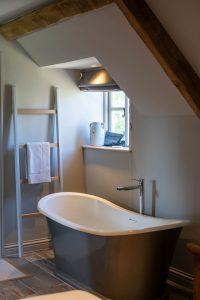
The Key Differences Between Renovation and Remodeling

When planning home improvements, it’s important to understand the difference between renovation and remodeling to make informed decisions. Renovation is generally a less invasive process. It involves restoring or updating parts of your home without making significant structural changes. This might mean repainting walls, upgrading appliances, refinishing floors, or installing new fixtures.

Remodeling, on the other hand, goes deeper. It involves altering the structure or layout of your home, like converting a bedroom into a home office, adding a new bathroom, or combining two small rooms into one large living space. Remodeling projects are typically more complex and expensive than renovations, often requiring specialized labor and permits.

Why Consider Renovation or Remodeling?

There are various reasons why homeowners consider renovating or remodeling their homes. Some might want to increase the resale value of their property, while others simply seek to create a more enjoyable living environment. Below are some common motivations for pursuing renovation and remodeling projects.

  1. Enhancing Aesthetic Appeal Over time, design trends change, and your home may start to look dated. Renovating or remodeling allows you to update your living spaces to reflect current styles, which can significantly boost the visual appeal of your home. Even small changes, such as modernizing the kitchen or bathroom, can make a big impact.
  2. Improving Functionality Many homes weren’t designed with today’s lifestyles in mind. Remodeling can improve the flow of your home or increase its functionality. For example, if you enjoy cooking but your kitchen is cramped, you might knock down a wall to create an open-concept kitchen and living area. Alternatively, you might add built-in storage to make better use of available space.
  3. Increasing Property Value If you’re thinking about selling your home, certain renovations and remodels can increase its market value. Projects like updating the kitchen or bathroom, finishing a basement, or adding a deck can offer a solid return on investment. While it’s important to consider your own comfort and enjoyment, keeping an eye on potential resale value can make your renovation or remodel more strategic.
  4. Accommodating Life Changes Life changes can often prompt the need for home upgrades. Whether you’re starting a family and need more space, or you’re becoming an empty nester and want to downsize or repurpose unused rooms, renovating or remodeling can help your home evolve with your needs.
  5. Fixing Structural Issues In older homes, structural issues may arise that require immediate attention. Whether it’s replacing a roof, fixing foundation problems, or addressing plumbing and electrical issues, renovations focused on maintenance and repair are essential to preserving the longevity and safety of your home.

Planning Your Renovation or Remodeling Project

A successful renovation or remodeling project starts with careful planning. Here are some crucial steps to guide you through the process.

  1. Set Clear Goals Before you begin, identify what you want to achieve with your renovation or remodeling project. Are you looking to add more space, improve functionality, or increase the aesthetic appeal of your home? Having a clear vision will help you stay focused and make decisions more efficiently throughout the process.
  2. Establish a Budget Determine how much you are willing to spend. Keep in mind that larger remodeling projects typically cost more than renovations. It’s also essential to factor in a contingency fund for unexpected expenses that may arise during construction, such as issues with wiring or plumbing that weren’t evident at the outset.
  3. Hire Professionals For large projects, you may need to hire an architect, designer, or contractor. Choose professionals with experience in the type of work you’re planning. Get multiple quotes, check references, and look at previous projects to make sure you’re hiring someone who understands your vision and has a track record of success.
  4. Check for Permits Depending on the scope of your project, you may need to obtain permits from your local government. This is particularly true for remodeling projects that involve structural changes, electrical work, or plumbing. Failure to obtain the proper permits can result in fines or difficulties when you try to sell your home later on.
  5. Create a Timeline Establish a realistic timeline for your project. Renovations often take less time than remodels, but it’s important to account for possible delays. Communicate clearly with your contractors to ensure that everyone is on the same page about how long the work will take.
  6. Consider Temporary Living Arrangements Depending on the scale of your renovation or remodel, you may need to temporarily move out of your home or at least avoid certain areas during construction. If you’re remodeling a kitchen or bathroom, plan ahead for how you’ll handle day-to-day activities while the space is unavailable.

Popular Renovation and Remodeling Ideas

There are countless ways to renovate or remodel your home, but some projects are more popular and offer a higher return on investment than others. Below are some ideas to inspire your next project.

  1. Kitchen Renovation or Remodel The kitchen is often considered the heart of the home, and it’s one of the most popular areas for both renovations and remodels. Updating cabinets, countertops, and appliances can give your kitchen a fresh look, while remodeling it by adding an island or opening up the floor plan can improve functionality. A well-designed kitchen not only enhances your cooking experience but also increases your home’s value.
  2. Bathroom Upgrades Bathrooms are another key area where renovations and remodels can make a significant impact. Simple updates like replacing old fixtures, adding a fresh coat of paint, or upgrading to energy-efficient toilets and showers can modernize the space. For a more dramatic change, consider expanding a cramped bathroom, installing a luxurious bathtub, or creating a spa-like atmosphere with high-end finishes.
  3. Open Floor Plans Many homeowners are embracing open floor plans, where walls between the kitchen, dining, and living areas are removed to create a more spacious, social environment. This type of remodeling project can make your home feel larger, brighter, and more inviting. It’s a great option for those who enjoy entertaining or want a more cohesive living space.
  4. Basement Finishing If you have an unfinished basement, consider converting it into a usable living area. Whether you create a family room, home theater, or guest suite, a finished basement adds square footage and increases your home’s functionality. This type of project is especially appealing in homes where space is limited.
  5. Adding Outdoor Living Space Outdoor renovations, such as adding a deck, patio, or outdoor kitchen, can expand your living space and create a beautiful area for relaxation and entertainment. These projects are especially valuable in areas with mild climates where outdoor living is possible for much of the year.

Challenges of Renovation and Remodeling

While home improvement projects can be exciting, they also come with challenges. Common issues include going over budget, encountering unexpected problems (like hidden water damage or faulty wiring), and dealing with delays. It’s important to stay flexible and prepared for these potential hurdles. Clear communication with your contractors, realistic expectations, and a solid contingency plan can help you navigate these challenges and ensure your project is successful.

Final Thoughts

Renovation and remodeling are powerful tools for transforming your home, whether you’re making aesthetic updates, improving functionality, or increasing your property value. By understanding the differences between renovation and remodeling, setting clear goals, and planning carefully, you can create a home that suits your lifestyle and grows with you over time. Whether you’re upgrading a single room or embarking on a full-scale remodel, the result will be a more enjoyable, comfortable, and valuable living space.
Mastering Bathroom Storage & Organization: Smart Solutions for a Clutter-Free Space

Bathrooms are often one of the most used yet least spacious rooms in a home. Because of their small size and the number of products stored inside them, they can quickly become cluttered, unorganized, and chaotic. Whether you’re dealing with a lack of cabinet space, overflowing counters, or an inefficient layout, the challenge of bathroom storage and organization is real. However, with a few smart solutions and creative approaches, you can transform even the smallest bathroom into an organized, serene, and functional space. This guide will walk you through various ways to maximize your bathroom storage while keeping it stylish.

Start with Decluttering

Before diving into the fun part of organizing, the first step is to declutter. A well-organized bathroom starts with removing unnecessary items that are taking up valuable space.

  1. Throw Out Expired Products: Toiletries and cosmetics have expiration dates. Go through your cabinets and drawers and toss out anything expired or that you haven’t used in the last six months. This includes old skincare products, half-used lotions, or cosmetics you’ve forgotten about.
  2. Remove Duplicates: Many of us accumulate multiples of the same item without even realizing it—three half-empty bottles of shampoo, several razors, or stacks of unused washcloths. Consolidate where possible and store excess supplies in a designated area that isn’t cluttering the space you use daily.
  3. Rethink Essentials: Ask yourself which items are essential for your bathroom. If something doesn’t need to live there, consider moving it elsewhere. For instance, cleaning products can often be relocated to a different storage area if you’re tight on space.

Utilize Vertical Space

Maximizing vertical space is a key principle in organizing any room, and the bathroom is no exception. If your counters and cabinets are overflowing, look upwards for extra storage opportunities.

  1. Install Shelving Above the Toilet: The wall space above your toilet is often wasted real estate. By installing floating shelves or a sleek cabinet, you can store items like towels, toilet paper, and toiletries without taking up precious floor space.
  2. Hang Hooks or Towel Racks: Towels take up a lot of space if not properly stored. Instead of stacking them in drawers, use towel racks or hooks on the walls or behind the bathroom door. You can also use hooks for bathrobes, washcloths, or even hanging baskets for additional storage.
  3. Over-the-Door Storage: Don’t overlook the back of the bathroom door. Use over-the-door hooks or organizers to store lightweight items like hair tools, brushes, or extra towels.

Optimize Under-Sink Storage

The cabinet space under your bathroom sink often becomes a catch-all for miscellaneous items, but with proper organization, it can be an efficient storage hub.

  1. Use Clear Plastic Bins: Clear bins or baskets are great for grouping similar items under the sink. Label each bin to keep items organized, so you can quickly find what you need without rummaging through piles of products. Group items like hair tools, cleaning supplies, or skincare in their respective bins.
  2. Install Tension Rods: A tension rod placed horizontally under your sink can create additional space for hanging cleaning bottles or small baskets. It’s a simple, affordable way to maximize every inch of space.
  3. Add Stackable Drawers: Stackable plastic or wire drawers under the sink can provide several layers of storage without wasting vertical space. Use these drawers to store smaller items like soap, extra toothpaste, or spare razors.

Drawer Dividers for Maximum Efficiency

Drawers can quickly become messy with makeup, grooming products, and other small essentials. Drawer dividers are a simple way to keep these items neatly organized.

  1. Separate by Category: Use drawer dividers to separate different categories of products. For example, assign one section of a drawer for makeup, another for skincare, and another for dental products. This way, you won’t have to dig through a messy drawer to find what you need.
  2. Small Bins for Tiny Items: For tiny items like bobby pins, cotton swabs, or tweezers, small containers or bins within your drawers can keep everything in its place. These containers prevent small items from rolling around and getting lost.
  3. Limit What’s in the Drawer: Instead of cramming everything into your drawers, limit these spaces to items you use regularly. Store items you use less frequently in baskets or bins under the sink or on higher shelves.

Invest in Multi-Functional Furniture

If your bathroom allows for it, adding multi-functional furniture pieces can help with storage and organization while also adding style to the space.

  1. Storage Vanities: If you’re remodeling or upgrading your bathroom, consider choosing a vanity with ample storage. Modern vanities often come with deep drawers, pull-out shelves, or built-in organizers for storing toiletries, hair tools, and towels. This can be a great investment in both functionality and style.
  2. Over-the-Toilet Shelving Units: Over-the-toilet shelving units are ideal for small bathrooms that lack storage space. These units can be stylish, with designs that complement your bathroom décor, while providing shelves for extra towels, toilet paper, or decorative elements like plants or candles.
  3. Rolling Carts: A rolling cart or trolley is a practical solution for storing and organizing bathroom essentials, especially in small spaces. The mobility allows you to move it out of the way when not in use, and it can hold anything from bath towels to beauty products.

Smart Storage for Small Bathrooms

Small bathrooms require more creative and space-saving storage solutions. Every inch counts, so think outside the box.

  1. Corner Shelving: If you’re dealing with a tiny bathroom, consider adding corner shelving units. These shelves fit into unused corners, creating extra storage without taking up valuable floor space. They’re perfect for holding small décor, extra soap, or bathroom essentials.
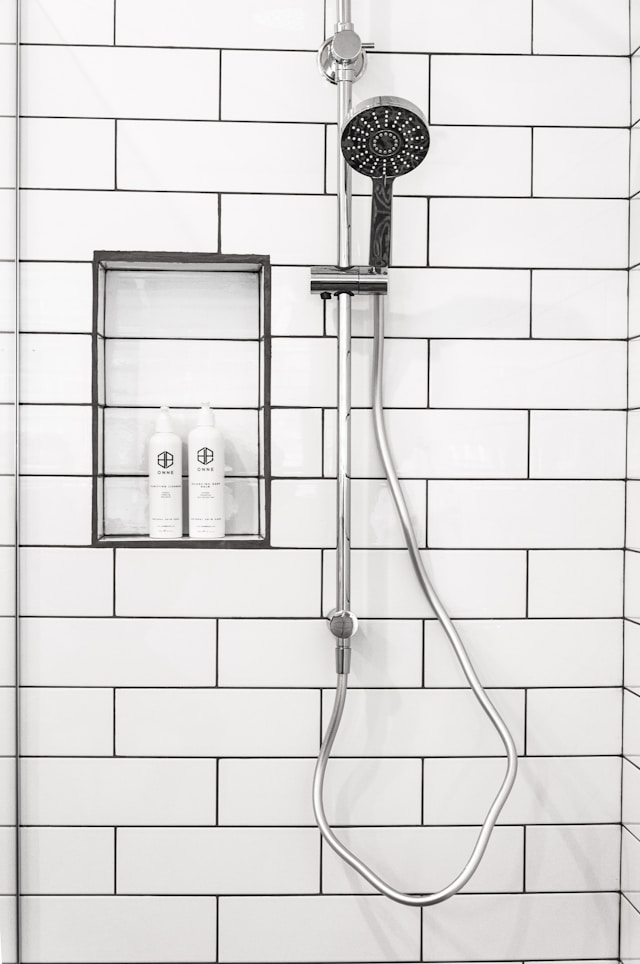
  2. Shower Niches or Caddies: In a small bathroom, the shower is one area where storage can quickly become problematic. Installing a built-in shower niche is a sleek way to store shampoo, soap, and razors without bulky shower racks. Alternatively, a shower caddy that hangs over the showerhead or door can keep your shower products neatly organized.
  3. Recessed Medicine Cabinets: Medicine cabinets are classic bathroom fixtures, but modern versions that are recessed into the wall can save space and provide hidden storage for small items. These cabinets are perfect for storing medicines, skincare products, and grooming tools while keeping your counter clutter-free.

Maximize Countertop Space

A clean, organized countertop can make a huge difference in how your bathroom feels. If your bathroom counter is constantly cluttered, these solutions can help you maintain a clear and functional space.

  1. Use Trays for Essentials: Instead of leaving bottles, makeup, or brushes strewn across your countertop, place them on a decorative tray. Trays corral similar items together and give your bathroom a polished, organized look.
  2. Minimalist Approach: Aim to keep only a few essentials on your countertop. By limiting the number of items, you’ll create a more open and uncluttered space. Everything else can be stored in cabinets, drawers, or on shelves.
  3. Wall-Mounted Holders: If your bathroom has limited counter space, consider wall-mounted holders or dispensers for frequently used items like soap, toothbrushes, or hand lotion. These can free up valuable counter space while keeping everything accessible.

Regular Maintenance for a Clutter-Free Bathroom

Even with the best organization systems in place, maintaining a clutter-free bathroom requires ongoing effort.

  1. Daily Tidy-Up: Spend a few minutes each day putting items back in their designated spots. This habit will help you prevent clutter from building up and keep the bathroom looking neat and organized.
  2. Weekly Decluttering: Once a week, take a quick inventory of your bathroom. Throw out empty containers, wipe down surfaces, and reassess what’s on your counters or in your drawers. Regular maintenance prevents the space from becoming overwhelming.
  3. Involve Everyone: If your bathroom is shared by multiple people, encourage everyone to maintain the organization system. Make sure each person has a designated storage area and understands where things belong.

Conclusion

Bathroom storage and organization don’t have to be overwhelming. With thoughtful planning and the right tools, you can transform your bathroom into a space that’s functional, organized, and visually appealing. Whether you’re working with a small bathroom or have ample space, these strategies can help you make the most of what you have. By regularly decluttering and maintaining an organizational system, you’ll create a bathroom that’s not only easier to use but also a calm, inviting space that enhances your daily routine.

The Ultimate Guide to Choosing the Right Bathroom Fixtures and Accessories

When it comes to designing or renovating a bathroom, fixtures and accessories play a crucial role in defining both the style and functionality of the space. Whether you’re creating a luxurious master bathroom or updating a small guest bathroom, the right combination of fixtures and accessories can elevate the entire experience. From selecting sinks and faucets to choosing mirrors and towel bars, every detail contributes to the overall ambiance and efficiency of the room. This guide will explore the different types of bathroom fixtures and accessories, their various styles, and how to integrate them into your bathroom design for the perfect balance of practicality and aesthetics.

Choosing the Right Bathroom Fixtures

Bathroom fixtures form the foundation of any well-designed bathroom. They include essential elements such as toilets, sinks, faucets, showers, and bathtubs. Each of these components must be selected with care, as they define how the space functions and its overall look.

Toilets: More Than Just Functionality

Toilets may seem like a purely utilitarian feature, but they come in many styles, shapes, and designs that can affect the overall appearance of your bathroom.

  • Two-Piece Toilets: This traditional design features a separate tank and bowl. Two-piece toilets are highly versatile, and they come in various heights and shapes, making them suitable for different bathroom styles.
  • One-Piece Toilets: Sleek and modern, one-piece toilets integrate the tank and bowl into a single unit. They’re easier to clean and have a more streamlined look, which is perfect for minimalist and contemporary bathrooms.
  • Wall-Hung Toilets: For a truly modern aesthetic, wall-hung toilets free up floor space and offer a floating, seamless appearance. These toilets conceal the tank within the wall, making them ideal for small spaces or those looking for a clean, open feel.

Sinks: Practicality Meets Style

Sinks are one of the most frequently used elements in a bathroom, and they come in a wide range of shapes, sizes, and installation methods. The style of sink you choose can set the tone for the entire bathroom design.

  • Undermount Sinks: These sinks are installed under the countertop, offering a clean and seamless look. Undermount sinks are ideal for those seeking a minimalist appearance and are easy to clean since there’s no visible rim.
  • Vessel Sinks: Sitting on top of the counter, vessel sinks are a bold statement piece. They come in various materials like porcelain, glass, and stone, and work well in bathrooms designed to make an impact.
  • Pedestal Sinks: Classic and elegant, pedestal sinks are perfect for small bathrooms or powder rooms. They consist of a basin supported by a pedestal, providing a vintage charm without taking up too much space.
  • Wall-Mounted Sinks: These sinks attach directly to the wall, freeing up floor space. Wall-mounted sinks are often used in small or minimalist bathrooms, providing a clean, airy look.

Faucets: Adding the Finishing Touch

Faucets may seem like a small detail, but they can make a big difference in the overall feel of the bathroom. The right faucet can tie the design together while also enhancing the user experience.

  • Single-Hole Faucets: These faucets combine the spout and handle in one unit, making them ideal for modern, minimalist bathrooms. They’re easy to install and take up less space on the countertop.
  • Widespread Faucets: Featuring separate hot and cold handles, widespread faucets offer a classic and luxurious look. They are often seen in traditional or elegant bathroom designs and allow for greater flexibility in placement.
  • Wall-Mounted Faucets: For a sleek, modern aesthetic, wall-mounted faucets are installed on the wall rather than the sink. They are an excellent option for vessel sinks or when trying to free up counter space.
  • Touchless Faucets: These faucets use motion sensors to activate the water, adding a high-tech, convenient feature to any bathroom. Touchless faucets are great for hygiene and can be a stylish, modern addition.

Showers and Bathtubs: The Centerpiece of Relaxation

Shower and bathtub selections not only define the bathroom’s layout but also contribute to how you unwind after a long day. Whether you prefer a quick rinse or a luxurious soak, choosing the right fixture is essential.

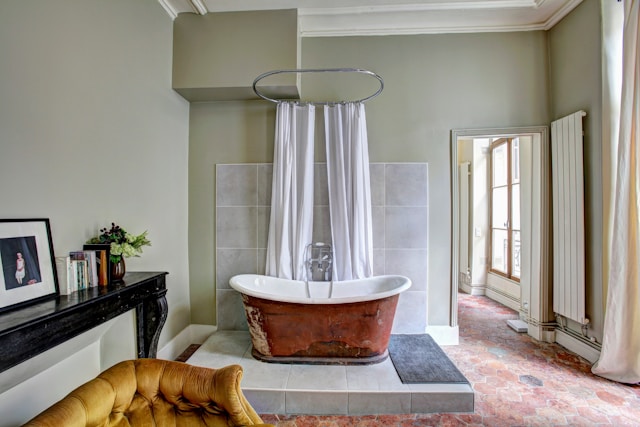
  • Freestanding Bathtubs: Freestanding tubs are the epitome of luxury. They stand alone, away from walls, often becoming the focal point of the bathroom. These tubs come in traditional clawfoot designs or sleek, modern shapes.
  • Drop-In Bathtubs: Installed in a pre-built enclosure or deck, drop-in tubs are a practical choice. They can be customized to fit the space and often come with extra features like jets or chromatherapy lighting for a spa-like experience.
  • Walk-In Showers: Walk-in showers provide a modern, open feel, and they can be outfitted with features like rain showerheads, handheld sprays, and body jets. They are versatile and can be designed to fit any bathroom size or style.
  • Shower-Tub Combos: For those who want the option of both a shower and a bath but have limited space, a shower-tub combo is the perfect solution. These dual-purpose fixtures are practical and space-efficient, often seen in family homes.

Essential Bathroom Accessories

Once you’ve selected your main fixtures, it’s time to accessorize. Accessories are the elements that make your bathroom not only functional but also stylish and comfortable. From towel racks to lighting, these details pull the whole design together.

Mirrors: Both Functional and Decorative

A bathroom mirror is a crucial accessory that serves both functional and aesthetic purposes. It reflects light, enhances the space, and is used multiple times a day for grooming tasks.

  • Frameless Mirrors: Sleek and modern, frameless mirrors are perfect for minimalist designs. They create an illusion of more space and offer a clean, uninterrupted look.
  • Framed Mirrors: A framed mirror can serve as a statement piece in the bathroom. The frame can match other fixtures, such as the faucet or light fixtures, creating a cohesive look.
  • Illuminated Mirrors: Mirrors with built-in lighting add a luxurious touch to any bathroom. They provide excellent illumination for tasks like shaving or applying makeup, while also enhancing the modern aesthetic of the room.

Lighting: Setting the Mood

Lighting plays a critical role in the functionality and atmosphere of a bathroom. The right lighting scheme can make a bathroom feel more inviting, while poor lighting can make even the best-designed space feel cold or uninviting.

  • Task Lighting: This type of lighting is essential around mirrors and vanities. Wall sconces or vanity lights provide focused illumination for grooming tasks, ensuring you have enough light where you need it.
  • Ambient Lighting: Ambient lighting fills the entire space and is usually provided by an overhead fixture. Chandeliers, recessed lighting, or even pendant lights can serve as ambient lighting, contributing to the overall mood of the room.
  • Accent Lighting: Accent lighting, such as LED strips under the vanity or above the shower, adds a touch of sophistication and highlights architectural features or design elements.

Towel Racks and Hooks: Practical Storage Solutions

Towel racks, bars, and hooks may seem like small details, but they are essential for keeping your bathroom organized and functional. They provide easy access to towels and add a decorative element to the space.

  • Towel Bars: Perfect for keeping towels neatly hung and accessible, towel bars come in various lengths and finishes. They should be placed within easy reach of the shower or sink for convenience.
  • Towel Hooks: Hooks are great for smaller bathrooms or when wall space is limited. They can be used to hang towels, robes, or even baskets for extra storage.
  • Heated Towel Racks: For a luxurious touch, heated towel racks keep your towels warm and dry, making every shower feel like a spa experience.

Storage Accessories: Keep Clutter at Bay

Bathroom storage accessories are essential for keeping the space tidy and organized. Without proper storage, even the most beautiful bathroom can quickly become cluttered.

  • Vanity Organizers: Drawers and cabinets in the vanity can be outfitted with organizers to keep toiletries, makeup, and grooming tools neatly arranged. Adjustable dividers and pull-out trays help maximize the space.
  • Floating Shelves: Floating shelves offer extra storage without taking up floor space. They can be used to store towels, toiletries, or decorative items, and they also add a design element to the room.
  • Storage Baskets and Bins: Baskets and bins can be placed on shelves or inside cabinets to keep smaller items organized. They come in various materials like wicker, metal, or plastic, allowing you to choose a style that complements the rest of your bathroom décor.

Conclusion

Choosing the right bathroom fixtures and accessories is essential to creating a functional and visually appealing space. Whether you’re focusing on the sleekness of a wall-mounted toilet, the luxury of a freestanding bathtub, or the practicality of floating shelves, each decision contributes to the overall ambiance of the room. By carefully selecting fixtures and coordinating them with well-thought-out accessories, you can transform your bathroom into a stylish retreat that reflects your personal taste and enhances your daily routine. From modern minimalism to classic elegance, the right fixtures and accessories bring both form and function together in perfect harmony.

Bathroom Design Ideas: Transform Your Space with Style and Functionality

The bathroom is one of the most personal and frequently used spaces in a home. Whether you’re designing a new bathroom from scratch or remodeling an old one, the process requires a perfect balance between functionality and aesthetics. Bathroom design has evolved beyond just a practical space for hygiene into a personal retreat, where homeowners seek relaxation, comfort, and style. In this article, we will explore various bathroom design ideas, focusing on different styles, layouts, materials, and fixtures that can transform any bathroom into a stunning sanctuary.

1. Modern Minimalism: Less is More

Minimalism is a popular trend in bathroom design, especially for those who love clean lines, simplicity, and a clutter-free environment. The modern minimalist bathroom is all about functionality, with a focus on a neutral color palette, sleek fixtures, and efficient use of space.

Key Features of Modern Minimalist Bathrooms:

  • Neutral Colors: Shades of white, beige, gray, and black dominate minimalist bathrooms. These colors create a calming environment and make the space feel larger.
  • Streamlined Fixtures: Choose wall-mounted sinks, toilets, and storage units to free up floor space. Minimalist fixtures are often geometric in shape and have no unnecessary embellishments.
  • Natural Materials: Incorporate materials like stone, wood, or concrete to add warmth and texture to the clean lines of minimalism. A wooden vanity or a stone countertop can add character without overpowering the space.
  • Hidden Storage: To maintain the uncluttered look, consider built-in storage solutions like recessed shelving, hidden cabinets, or drawers with organizers.

Why Minimalism Works

Minimalist bathrooms work well in both small and large spaces, providing a fresh and open atmosphere. By eliminating excess décor and keeping the focus on simplicity, you create a tranquil, spa-like environment perfect for relaxation.

2. Spa-Inspired Retreat: Create Your Personal Sanctuary

Imagine stepping into a bathroom that feels like a luxurious spa, offering peace, relaxation, and rejuvenation. Spa-inspired bathrooms emphasize natural materials, soft lighting, and soothing colors to create a peaceful retreat.

Elements of a Spa-Inspired Bathroom:

  • Natural Stone and Wood: Use materials like marble, slate, or bamboo for countertops, floors, and walls to add a natural, serene feel.
  • Freestanding Bathtubs: A deep soaking tub is the hallmark of any spa bathroom. Freestanding tubs, especially those in modern or vintage styles, add elegance and a focal point to the space.
  • Soft, Ambient Lighting: Replace harsh overhead lighting with dimmable sconces or pendant lights to create a soothing atmosphere. Incorporate candles or diffused light for an even softer glow.
  • Plants and Greenery: Adding plants such as ferns, succulents, or bamboo can bring a sense of calm and freshness to the space, mimicking the natural elements found in high-end spas.
  • Rainfall Showerheads: Install a rainfall or waterfall showerhead to elevate the shower experience, mimicking the feel of a natural rain shower.

Design Tip

A spa-inspired bathroom is all about indulgence, so don’t be afraid to splurge on luxurious materials or fixtures. Incorporating essential oils, plush towels, and natural scents can further enhance the spa-like atmosphere.

3. Vintage and Retro Vibes: Classic Charm with a Twist

For those who appreciate nostalgia and charm, vintage or retro bathrooms offer an opportunity to incorporate classic design elements that bring personality and warmth to the space. Vintage-inspired bathrooms often use bold colors, intricate patterns, and timeless fixtures that can transform even a small bathroom into a stylish haven.

Features of Vintage and Retro Bathrooms:

  • Bold Tiles: Classic subway tiles, intricate mosaics, or hexagon tiles in black-and-white patterns can instantly add a vintage touch. Alternatively, patterned floor tiles in geometric shapes or vibrant colors bring retro flair to the space.
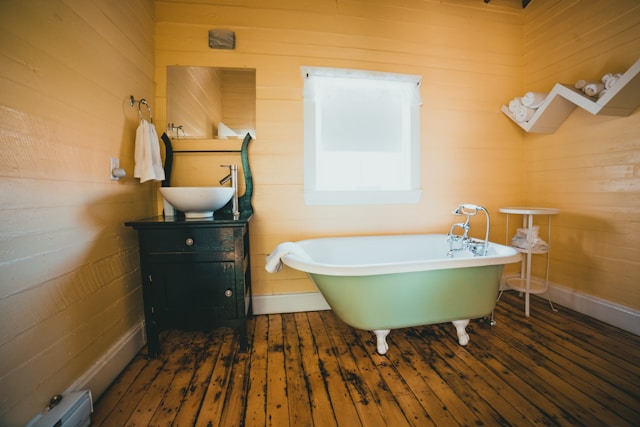
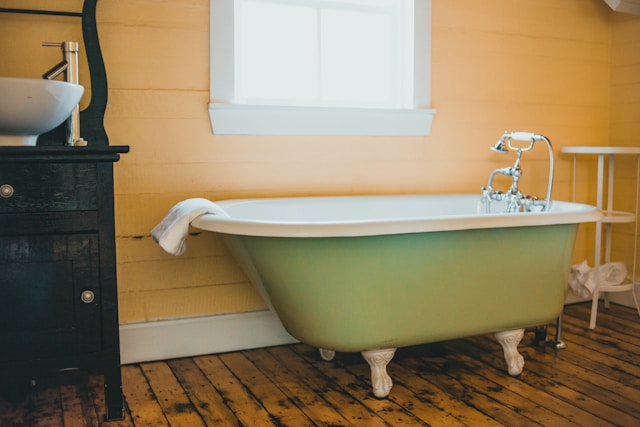
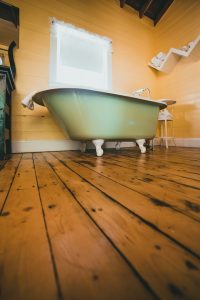
  • Freestanding Clawfoot Tubs: A signature of vintage bathrooms, the freestanding clawfoot tub is both elegant and functional. These tubs are perfect for making a statement in larger bathrooms.
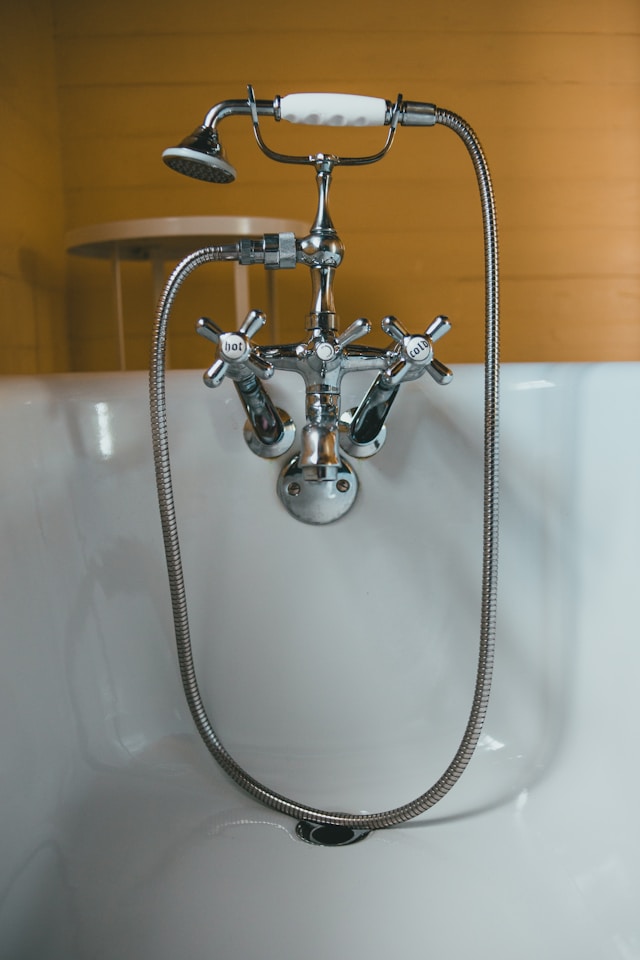
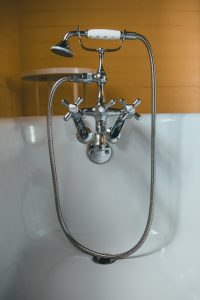
  • Vintage Fixtures: Opt for brass or copper faucets, exposed plumbing, and antique-style mirrors. Vintage fixtures have a timeless appeal that adds sophistication to the overall design.
  • Soft Pastel Colors: Pale pink, mint green, and powder blue are common color choices for retro bathrooms. These colors create a playful and cheerful atmosphere while maintaining a classic look.
  • Retro Lighting: Pendant lights or sconces with a vintage vibe can complete the look, casting a warm, flattering light throughout the space.

Balancing Old and New

To avoid making the bathroom feel too old-fashioned, balance vintage elements with modern conveniences like underfloor heating or sleek storage solutions. This combination of old and new creates a bathroom that feels classic but still functional in today’s world.

4. Small Bathroom Ideas: Maximize Space with Style

Small bathrooms present unique design challenges, but with the right layout and features, even the tiniest space can feel open and luxurious. When designing a small bathroom, every inch counts, so creative solutions are key to making the most of the available space.

Space-Saving Solutions:

  • Corner Showers: Installing a corner shower can free up significant space in a small bathroom. Opt for a frameless glass shower door to keep the room feeling open and airy.
  • Floating Vanities: Wall-mounted vanities free up floor space and give the illusion of a larger bathroom. Choose a vanity with built-in storage to keep essentials organized.
  • Mirrors and Lighting: Use large mirrors to reflect light and create the illusion of more space. Additionally, bright, well-placed lighting can make a small bathroom feel more open.
  • Compact Fixtures: Choose smaller, more compact sinks, toilets, and bathtubs that fit the scale of the room. A pedestal sink or wall-mounted toilet can save space while maintaining style.
  • Sliding Doors: Consider replacing traditional swinging doors with sliding or pocket doors, which can save valuable floor space in a compact bathroom.

Creative Design Tips

Using lighter colors, reflective surfaces, and vertical storage solutions can help make a small bathroom feel larger. Wall-mounted shelves or over-the-door hooks are great for maximizing storage without cluttering the space.

5. Eco-Friendly Bathrooms: Sustainable and Stylish

Sustainability is becoming increasingly important in home design, and bathrooms are no exception. Designing an eco-friendly bathroom not only reduces your environmental footprint but can also save you money on water and energy bills.

Sustainable Design Features:

  • Low-Flow Fixtures: Install low-flow showerheads, faucets, and toilets to reduce water consumption without sacrificing performance.
  • Recycled Materials: Consider using recycled or reclaimed materials for countertops, tiles, or flooring. Materials like recycled glass, reclaimed wood, or eco-friendly bamboo are both stylish and sustainable.
  • Energy-Efficient Lighting: LED lights use significantly less energy than traditional bulbs and last much longer. Installing dimmable LEDs can create mood lighting while saving energy.
  • Water-Saving Technologies: Dual-flush toilets and motion-sensor faucets help reduce water wastage. These technologies are now widely available and come in modern, stylish designs.
  • Natural Ventilation: If possible, incorporate natural ventilation to reduce reliance on energy-consuming exhaust fans. Skylights or large windows allow natural light and air circulation, creating a healthier environment.

Why Go Green?

An eco-friendly bathroom not only helps the planet but can also add value to your home. Homebuyers are increasingly looking for sustainable features, making green bathrooms a smart investment.

Final Thoughts: Designing Your Perfect Bathroom

Bathroom design is all about balancing aesthetics and functionality. Whether you prefer a minimalist, spa-like retreat or a bold, vintage-inspired space, the key is to make design choices that reflect your personal style while maximizing comfort and practicality. From choosing the right fixtures to optimizing storage, every detail contributes to creating a bathroom that feels like a sanctuary in your home.

No matter the size or style, thoughtful design can transform any bathroom into a beautiful, functional space you’ll love spending time in.

Transform Your Space: A Comprehensive Guide to Bathroom Fixtures & Accessories

When it comes to designing or renovating a bathroom, many people focus on the tiles, wall colors, and flooring. While these are all important elements, bathroom fixtures and accessories are the unsung heroes that define both the functionality and aesthetics of the space. Whether you’re aiming for a modern minimalist vibe, a luxurious spa-like retreat, or a cozy traditional bathroom, the right fixtures and accessories can completely transform your space. In this guide, we will dive into various aspects of bathroom fixtures and accessories, from practical considerations to design inspirations, helping you achieve the perfect balance between form and function.

Understanding the Role of Fixtures

Fixtures are the core elements of any bathroom and include essential pieces like toilets, sinks, bathtubs, and showers. Choosing the right ones involves more than just aesthetic preferences; it also depends on space, plumbing, and daily usage needs.

Sinks: The Style and Functionality Nexus

Sinks are available in various shapes, sizes, and installation types, making them an essential feature that defines the bathroom’s overall design theme. Here are some of the most popular types:

  • Pedestal Sinks: Pedestal sinks are ideal for small bathrooms or powder rooms. These standalone units don’t offer storage underneath, but they give the bathroom a sleek, open feel. This type works well with classic or minimalist styles.
  • Vessel Sinks: Vessel sinks sit atop the counter, offering an artistic and modern touch. Available in materials such as glass, stone, or ceramic, they allow for a unique focal point in the bathroom.
  • Undermount Sinks: These are mounted underneath the countertop, providing a clean, streamlined look. They’re easy to clean and work well in modern or contemporary settings where simplicity and ease are prioritized.
  • Wall-Mounted Sinks: Great for saving floor space, wall-mounted sinks are directly attached to the wall, leaving the area beneath open. These sinks are ideal for smaller bathrooms or those looking for a minimalist aesthetic.

Toilets: Comfort Meets Efficiency

While a toilet may seem like a straightforward purchase, various features and styles can significantly enhance both comfort and water efficiency:

  • Dual-Flush Toilets: These toilets offer two flush options—one for liquid waste and one for solid waste—helping to conserve water. They’re an excellent choice for eco-conscious homeowners.
  • Comfort Height Toilets: Designed to sit higher than standard toilets, these are perfect for those who prefer added comfort or have mobility issues.
  • Smart Toilets: Equipped with advanced features such as bidet functions, heated seats, and self-cleaning capabilities, smart toilets provide the ultimate luxury. While more expensive, they are becoming increasingly popular in high-end bathroom designs.
  • Wall-Mounted Toilets: These modern toilets are mounted on the wall, with the tank concealed inside the wall. They save space and add a sleek, contemporary feel to the bathroom.

Bathtubs and Showers: Choosing the Right Fit

Choosing between a bathtub, a shower, or a combination of both depends largely on your space, lifestyle, and design preferences:

  • Freestanding Bathtubs: Freestanding tubs have made a strong comeback in recent years. With their sculptural appeal, they serve as a statement piece in any bathroom, providing a touch of elegance. Perfect for spacious bathrooms, they can stand on ornate legs or sit flush with the floor for a more contemporary look.
  • Built-In Tubs: These tubs are enclosed on three sides and are often integrated into a shower-tub combo. They are practical and space-efficient for smaller bathrooms.
  • Walk-In Showers: A popular choice in modern homes, walk-in showers eliminate the need for a shower curtain or door. With glass enclosures and rainfall showerheads, they can give your bathroom a luxurious, open feel. Incorporating seating, multiple showerheads, or steam functions can add even more relaxation and functionality.
  • Shower-Tub Combos: If you have limited space but still want the option of both bathing and showering, a shower-tub combo is an efficient solution. You can install luxurious features like rain showerheads or body sprays to elevate the experience.

Faucets: The Essential Finishing Touch

Faucets are a key element that can either blend seamlessly into the overall bathroom design or stand out as a bold statement. Choosing the right style and finish can make a world of difference in the room’s final look:

  • Single-Handle Faucets: These faucets are easy to use and ideal for a minimalist design. They offer a sleek, modern look and take up less space on the countertop.
  • Widespread Faucets: With separate hot and cold water handles, widespread faucets provide a traditional and elegant appearance. They are ideal for large countertops or vanity spaces.
  • Wall-Mounted Faucets: Paired with vessel sinks or undermount sinks, wall-mounted faucets add a sleek, contemporary flair to the bathroom. They also save countertop space and are easier to clean around.

The choice of faucet finish can also impact the bathroom’s overall style. Popular finishes include chrome, brushed nickel, bronze, and matte black. Chrome is shiny and reflective, while brushed nickel is a more subtle, fingerprint-resistant option. Bronze adds warmth and character, and matte black provides a trendy, bold contrast.

Bathroom Accessories: Functional and Stylish

While fixtures form the backbone of the bathroom, accessories play a critical role in completing the design. The right accessories can tie together the entire look, making the space feel cohesive and well-thought-out.

Mirrors: A Focal Point of Design

Mirrors are not only functional but also serve as a key design element. Depending on the style of your bathroom, you can choose between frameless or framed mirrors, or opt for something more ornate:

  • Frameless Mirrors: These give a clean, contemporary look that works well in modern bathrooms. Without a bulky frame, frameless mirrors help open up the space, making the room feel larger.
  • Framed Mirrors: Adding a frame can turn your mirror into a decorative focal point. Whether you choose wood, metal, or something more unique, framed mirrors add personality to your bathroom.

Adding lighting around the mirror, such as sconces or LED strips, ensures optimal illumination for daily tasks like shaving or applying makeup.

Towel Racks and Hooks: Keeping Things Organized

Towel storage is essential for any bathroom. Properly placed towel bars, hooks, or racks ensure that towels are within easy reach while keeping them off the floor:

  • Heated Towel Racks: Nothing says luxury like a heated towel rack, which warms towels and helps them dry quickly, preventing mildew buildup. This accessory adds both functionality and a spa-like feel to the bathroom.
  • Towel Rings and Bars: These accessories can be installed near sinks and showers to keep towels handy. Choose finishes that complement the faucets and other hardware in the bathroom for a cohesive look.

Storage Solutions: Maximize Space

Effective storage keeps your bathroom clutter-free and enhances its usability. Thoughtfully chosen storage accessories can add both style and function to your space:

  • Vanity Cabinets: Vanities with built-in cabinets provide much-needed storage for toiletries, cleaning supplies, and extra towels. Choose a vanity that fits your bathroom’s style, whether it’s sleek and modern or ornate and traditional.
  • Floating Shelves: These offer a simple and space-saving way to store bathroom essentials or display decorative items. Floating shelves work well in small bathrooms or as extra storage over the toilet.
  • Shower Caddies: Keep your shower organized by installing a caddy or shelving to hold shampoo, soap, and other bathing products. Stainless steel or plastic options are both durable and easy to clean.

Small Accessories with Big Impact

Small touches like soap dispensers, toothbrush holders, and tissue boxes may seem insignificant, but they play a big role in keeping the bathroom organized and visually appealing:

  • Matching Sets: Many stores offer bathroom accessory sets that include soap dispensers, toothbrush holders, and more. Choosing a matching set ensures a cohesive look across the countertop.
  • Trays and Organizers: Bathroom trays or drawer organizers help keep your essentials neatly arranged. They’re great for holding items like cosmetics, hair products, or shaving kits.

Lighting: Setting the Ambience

Lighting is often overlooked, but it’s essential for creating the right atmosphere and ensuring that your bathroom is functional at all times of day:

  • Task Lighting: Sconces on either side of a vanity mirror provide even lighting, making grooming easier. Adjustable wall-mounted lights can also add flexibility for various tasks.
  • Ambient Lighting: Overhead lights, such as recessed fixtures or statement chandeliers, offer general illumination and can create a warm, inviting ambiance. Dimmer switches allow you to control the light level for different moods.
  • Accent Lighting: LED strips under the vanity or along the walls can add a modern, decorative touch while also serving a practical purpose as night lights or mood lighting.

Matching Your Fixtures and Accessories

Coordinating fixtures and accessories ensures that your bathroom feels cohesive. Sticking to a consistent finish across faucets, towel bars, mirrors, and even light fixtures creates a sense of harmony:

  • Harmonize Metals: Try to match the finishes of your metal fixtures, like faucets, cabinet handles, and towel bars. A bathroom with chrome fixtures paired with gold accents can feel disjointed, while a cohesive metal theme feels well-designed.
  • Blend Styles: Ensure that the style of your accessories aligns with your bathroom fixtures. For example, a modern, minimal bathroom would look best with sleek, streamlined accessories, whereas a more traditional bathroom can handle ornate, decorative pieces.

Conclusion

Bathroom fixtures and accessories play a crucial role in both the functionality and aesthetic appeal of your bathroom. By thoughtfully selecting the right components, from faucets to mirrors, you can create a cohesive, stylish, and practical space that meets all of your needs. Whether you’re undergoing a full renovation or just updating a few elements, the right choices can completely transform your bathroom into a place that’s as beautiful as it is functional.

Creating Eco-Friendly Bathrooms: Sustainable Design Ideas for a Greener Home

In an era where environmental awareness is at the forefront of our daily lives, creating an eco-friendly bathroom is a significant step towards reducing our carbon footprint. The bathroom is a crucial area in the home where we can make impactful changes, from water consumption to material choices. Designing an eco-friendly bathroom not only benefits the planet but can also enhance your overall well-being and the aesthetic of your home. This article will explore various sustainable design ideas and practices that can help you create an eco-friendly bathroom, making it a serene and green space.

One of the primary areas to focus on when creating an eco-friendly bathroom is water conservation. Bathrooms are notorious for high water usage, with toilets, showers, and faucets contributing significantly to overall household consumption. To tackle this issue, consider installing low-flow fixtures. Low-flow toilets use significantly less water per flush compared to traditional models, which can save thousands of gallons of water annually. Many modern low-flow toilets are designed to be efficient while still providing strong flushing power.

Similarly, low-flow showerheads can drastically reduce water usage without compromising the quality of your shower experience. Look for models that maintain a comfortable water pressure while using less water. You can also install faucet aerators, which mix air with water to reduce flow without reducing pressure, making them an easy and cost-effective solution for sinks.

Beyond fixture upgrades, consider implementing greywater systems in your bathroom. Greywater refers to the wastewater generated from activities like showering or washing hands. By recycling this water for use in irrigation or flushing toilets, you can significantly decrease water waste. Although the installation may require some initial investment, the long-term water savings and environmental benefits are worth considering.

Another significant aspect of an eco-friendly bathroom is the choice of materials. Many traditional materials used in bathroom construction and decor can be harmful to the environment. For example, conventional tiles and paints may contain volatile organic compounds (VOCs) that release harmful chemicals into the air. Instead, opt for sustainable materials that are better for the planet and your health.

Bamboo is an excellent choice for flooring, cabinetry, and accessories due to its rapid growth and renewability. It’s a highly durable material that adds a touch of warmth to your bathroom while being eco-friendly. For countertops, consider using recycled glass or sustainable wood that is certified by organizations like the Forest Stewardship Council (FSC). These materials not only look beautiful but also contribute to a healthier environment.

When it comes to tiles, seek out recycled ceramic or porcelain tiles that are made from post-consumer waste. Many manufacturers offer eco-friendly tiles that incorporate recycled materials, reducing the need for new resources. Additionally, using larger tiles can help minimize grout lines, which reduces the amount of cleaning chemicals needed and contributes to a more sustainable bathroom.

Eco-friendly paints are another critical component of a sustainable bathroom design. Look for paints labeled as low-VOC or zero-VOC, which significantly reduce indoor air pollution and are safer for you and your family. Choosing natural pigments and finishes can also minimize the impact on the environment while providing a beautiful and unique aesthetic.

Energy efficiency is another essential consideration for an eco-friendly bathroom. The lighting in your bathroom can have a significant impact on your energy consumption. Opt for LED lighting, which uses up to 75% less energy than traditional incandescent bulbs and lasts significantly longer. Incorporating natural light into your bathroom design through windows, skylights, or light tubes can also reduce the need for artificial lighting during the day.

In addition to lighting, consider installing energy-efficient appliances in your bathroom. For instance, a high-efficiency washing machine can save water and energy compared to older models. If your bathroom includes a laundry area, investing in Energy Star-rated appliances will further contribute to an eco-friendly home. Even the use of energy-efficient exhaust fans can help reduce humidity levels, preventing mold growth while saving energy.

Another exciting trend in eco-friendly bathroom design is the incorporation of biophilic elements. Biophilic design focuses on connecting people with nature, which can lead to improved mental and physical health. Integrating natural elements into your bathroom can create a calming and rejuvenating atmosphere. Consider adding plants that thrive in humid environments, such as ferns, snake plants, or pothos. These plants can improve indoor air quality while adding a touch of green to your space.

In addition to live plants, consider using natural materials in your decor. Stone and wood accents can bring a sense of nature indoors, promoting a serene environment. You might also explore options for natural textiles, such as organic cotton towels and bamboo bath mats, which are more sustainable and often softer than conventional materials.

Smart technology can play a vital role in creating an eco-friendly bathroom. Investing in smart home technology allows you to monitor and control water and energy usage more effectively. For example, smart shower systems can track your water consumption and alert you when you’re using too much. Motion-sensor faucets and lighting can also reduce water and energy waste by ensuring that fixtures are only in use when needed.

A more advanced option is installing a smart toilet, which can offer features like dual-flush options, heated seats, and even self-cleaning capabilities. These toilets often use less water and can improve hygiene while reducing overall waste.

To add a personal touch while keeping sustainability in mind, focus on eco-conscious accessories. Look for products made from recycled or biodegradable materials. For example, choose bamboo toothbrushes, natural loofahs, and refillable soap dispensers to reduce plastic waste. Additionally, consider supporting local artisans or brands that prioritize sustainability in their products, ensuring that your choices contribute positively to both the environment and the economy.

Incorporating upcycled or vintage items into your bathroom design can also be a sustainable choice. Scouring local thrift shops or flea markets for unique finds can add character to your space while keeping items out of landfills. An antique mirror or repurposed wooden shelves can serve as focal points in your eco-friendly bathroom while telling a story.

When planning your eco-friendly bathroom renovation, it’s important to consider the long-term benefits of these choices. Not only do sustainable practices help the environment, but they can also save you money over time. Water-efficient fixtures reduce your utility bills, while energy-efficient lighting and appliances cut down on energy costs. Additionally, using high-quality, sustainable materials can enhance the longevity of your bathroom, reducing the need for frequent replacements or repairs.

Lastly, it’s essential to consider the overall functionality of your eco-friendly bathroom. Design with practicality in mind, ensuring that your space meets your daily needs while remaining sustainable. For example, if you have a busy household, opt for durable materials that can withstand wear and tear. If you have limited storage, consider multi-functional furniture, such as a vanity with built-in shelves or a shower caddy that maximizes space.

In conclusion, creating an eco-friendly bathroom is an essential step toward fostering a sustainable home and lifestyle. By focusing on water conservation, sustainable materials, energy efficiency, and smart technology, you can design a bathroom that is both beautiful and environmentally friendly. Not only will these choices benefit the planet, but they will also enhance your well-being and the overall aesthetics of your space. As you embark on your bathroom renovation journey, keep in mind that small changes can lead to significant impacts, and each step you take towards sustainability is a step towards a healthier home and planet. Embrace the challenge of creating a greener bathroom and enjoy the rewards it brings to your life.

Elevate Your Space: Choosing the Right Bathroom Fixtures & Accessories for a Functional and Stylish Bathroom

The bathroom is often considered a sanctuary in our homes — a place to unwind, recharge, and prepare for the day ahead. With the right combination of bathroom fixtures and accessories, you can create a space that is not only functional but also exudes style and comfort. When you think about bathroom design, fixtures such as faucets, sinks, showers, and toilets take center stage. However, the finishing touches, including accessories like mirrors, towel racks, and lighting, play an equally crucial role in pulling the entire look together.

In this article, we’ll explore how to select the best bathroom fixtures and accessories for your space. From modern designs to classic elegance, you’ll discover how each element works together to create a bathroom that’s both practical and aesthetically pleasing.

Choosing the Right Bathroom Fixtures

Fixtures are the cornerstone of any bathroom design. These include sinks, faucets, toilets, bathtubs, and showers. Each choice you make here impacts not only the functionality of the bathroom but also its overall style and atmosphere.

Sink Styles and Options

When it comes to sinks, the options are virtually endless, and each style offers different benefits in terms of functionality and design. The sink can serve as a focal point in the bathroom or blend seamlessly into the background, depending on your design goals.

  • Pedestal Sinks: Ideal for smaller bathrooms, pedestal sinks offer a minimalist design without the need for additional counter space. They’re perfect for tight spaces and create an open, airy feeling in the bathroom. However, they don’t offer storage, so they might not be the best option for those with many toiletries.
  • Vessel Sinks: Sitting above the countertop, vessel sinks offer a dramatic look and are often seen in modern or contemporary bathrooms. They come in a variety of materials, including glass, stone, and ceramic, and can be used as a statement piece in the room. These sinks require specific faucets, usually wall-mounted or taller models, to accommodate their height.
  • Undermount Sinks: These sinks are mounted beneath the counter, providing a clean and streamlined look. Because there’s no lip or edge, they’re easy to clean and give a sleek, modern appearance. This style works well in bathrooms aiming for a minimalist or contemporary design.
  • Console Sinks: Combining the benefits of both pedestal and countertop sinks, console sinks offer a large basin with added space for small storage underneath. Often supported by legs or brackets, they are perfect for bathrooms that need both style and practicality.

Faucets: The Finishing Touch

The faucet is more than just a functional element; it’s also a design statement. The right faucet can enhance the overall theme of your bathroom and bring cohesion to your fixtures.

  • Single-Handle Faucets: Ideal for a minimalist and modern aesthetic, single-handle faucets control both water temperature and flow with one lever. They take up less space and are easy to use, making them perfect for smaller countertops.
  • Widespread Faucets: These feature separate handles for hot and cold water, with the spout placed in the middle. They offer a more traditional look and work well in larger bathrooms where space isn’t a concern.
  • Wall-Mounted Faucets: These are becoming increasingly popular in modern bathrooms, especially with vessel sinks. They free up counter space and provide a clean, minimalist look. Wall-mounted faucets require specific plumbing, so they are best suited for new builds or major renovations.
  • Touchless Faucets: For a high-tech, modern bathroom, touchless faucets are a fantastic option. These are not only convenient but also hygienic, reducing the spread of germs by eliminating the need to touch the faucet handle.

Toilets: Comfort and Efficiency

Though often overlooked, toilets are a critical part of your bathroom design. Modern toilets now come in a wide range of styles, offering various features such as water efficiency and comfort height.

  • Dual-Flush Toilets: These are designed with two flush options — one for liquid waste and one for solid waste — making them an eco-friendly choice. They help conserve water while maintaining performance, which is essential for environmentally conscious homeowners.
  • Comfort Height Toilets: These are slightly taller than standard toilets and are designed for ease of use, particularly for older adults or individuals with mobility issues. Comfort height toilets are great for adding a layer of accessibility to your bathroom design.
  • Smart Toilets: Equipped with high-tech features like heated seats, bidet functions, and self-cleaning mechanisms, smart toilets are a luxurious option. While they come at a higher price point, they offer unparalleled comfort and convenience.
  • Wall-Mounted Toilets: Just like wall-mounted faucets, these toilets are perfect for a modern, minimalist bathroom. They save space and make cleaning around the base much easier. However, they require specific plumbing, so they’re best suited for new builds or extensive remodels.

Bathtubs and Showers: Relaxation Redefined

No bathroom is complete without a great bathtub or shower. Whether you have space for both or must choose one over the other, selecting the right option can drastically improve your bathroom’s functionality.

  • Freestanding Bathtubs: These make a bold statement in any bathroom. Whether clawfoot or contemporary, freestanding tubs offer an elegant and luxurious look. They require more floor space, so they are best suited for larger bathrooms.
  • Built-In Bathtubs: These tubs are built into the bathroom wall and are often combined with a shower. They’re practical for smaller bathrooms and can be customized with tiled surrounds to match your bathroom’s style.
  • Walk-In Showers: Walk-in showers are perfect for those who prefer a modern, open-concept bathroom design. They offer easy access and can be customized with multiple showerheads, rainfall options, and seating.
  • Shower-Tub Combos: Ideal for families or smaller spaces, a shower-tub combo offers the best of both worlds. You get the convenience of a quick shower and the option for a relaxing bath, all in one unit.

Bathroom Accessories: The Details Matter

While fixtures are the foundation of any bathroom design, accessories are what bring the entire space to life. From towel racks to mirrors, the right accessories can enhance your bathroom’s functionality and aesthetic appeal.

Mirrors: Form and Function

Mirrors are an essential part of any bathroom, providing both practicality and style. The right mirror can elevate the entire look of your bathroom, making it feel larger and brighter.

  • Frameless Mirrors: These give a sleek and modern look, especially when paired with minimalist fixtures. Frameless mirrors make the bathroom feel larger and are a great option for small spaces.
  • Framed Mirrors: For a more traditional or rustic look, framed mirrors can add warmth and personality. Wooden frames, metal accents, or even vintage frames can become the focal point of the bathroom.
  • Backlit Mirrors: These are perfect for creating ambiance. Backlit mirrors provide a soft, glowing light that makes the bathroom feel warm and inviting, while also adding an extra layer of functionality for tasks like applying makeup or shaving.

Towel Racks and Hooks: Organization and Style

Towel storage is an important aspect of any bathroom, especially when trying to maintain a clean, organized look.

  • Heated Towel Racks: If you want to add a touch of luxury to your bathroom, consider installing a heated towel rack. Not only does it keep your towels warm, but it also helps them dry faster, preventing mildew and creating a spa-like experience.
  • Towel Hooks and Bars: For a minimalist design, wall-mounted towel hooks or bars can be a great way to keep towels organized. Choose finishes that match the faucets and other hardware in the bathroom for a cohesive look.

Storage Solutions: Maximizing Space

Bathrooms often lack storage, so maximizing every inch is essential.

  • Vanities with Storage: Opt for a vanity with built-in cabinets or drawers to store toiletries, towels, and cleaning supplies. You can also add organizers inside the drawers to keep everything neat and easily accessible.
  • Floating Shelves: These can provide extra storage for smaller items like toiletries, candles, or decorative pieces. Floating shelves are great for adding a touch of modern design while also keeping the space clutter-free.

Lighting: Setting the Mood

Good lighting is essential for creating the right ambiance in your bathroom. Whether you’re getting ready for the day or unwinding in the evening, the right lighting can make all the difference.

  • Task Lighting: Install task lighting around the mirror to ensure you have adequate lighting for grooming. Sconces on either side of the mirror are a great option, as they provide even light without casting shadows.
  • Ambient Lighting: A chandelier or ceiling light fixture can provide general illumination for the entire space. Consider installing dimmable lights so you can adjust the brightness to suit your mood.
  • Accent Lighting: Use LED strips under cabinets or around mirrors to create a modern, stylish look. Accent lighting adds warmth and depth to your bathroom design.

Conclusion

Bathroom fixtures and accessories play a vital role in transforming a functional space into a personalized retreat. By carefully choosing the right sinks, faucets, bathtubs, and accessories, you can create a bathroom that reflects your style while meeting your practical needs. Whether you’re starting from scratch or simply looking to upgrade a few key pieces, the right combination of fixtures and accessories can make all the difference in achieving a space that is both beautiful and highly functional.

Revamp Your Space: A Guide to Successful Renovation and Remodeling

Renovating or remodeling your home is an exciting opportunity to transform your living space into something more functional, aesthetically pleasing, and tailored to your lifestyle. Whether you’re updating a single room or undergoing a full home renovation, the process involves careful planning, budgeting, and decision-making. It can be overwhelming at times, but with the right approach, your renovation or remodeling project can lead to a home you love and enjoy for years to come.

In this guide, we’ll explore essential steps, tips, and considerations to ensure your renovation or remodeling project runs smoothly and yields the results you desire.

1. Define Your Goals and Vision

The first step in any renovation or remodeling project is to clearly define your goals. Are you aiming to create more space, update an outdated room, improve functionality, or enhance your home’s value? Understanding your objectives will help guide all of your decisions throughout the renovation process.

Think about what specific changes you want to make. Are you planning to:

  • Expand your kitchen to accommodate more cooking space?
  • Remodel your bathroom for a spa-like experience?
  • Add a new room for a growing family?
  • Increase the energy efficiency of your home?

Each of these goals will require different planning, budgeting, and execution strategies. The more specific you can be about your vision, the better you can communicate your needs to contractors, designers, or architects.

2. Establish a Realistic Budget

Budgeting is one of the most crucial aspects of any renovation or remodeling project. Without a clear budget, costs can quickly spiral out of control, leading to unfinished projects or financial strain. To avoid this, begin by determining how much you’re willing and able to spend.

When creating your budget, consider the following:

  • Materials: The quality of materials can vary greatly, from budget-friendly to luxury. Do your research to understand the cost of different materials and decide where you want to splurge and where you can save.
  • Labor: Hiring professionals such as contractors, plumbers, or electricians comes with labor costs. Ensure you factor in these expenses when setting your budget.
  • Contingency: Always include a contingency fund, typically around 10-20% of your overall budget, to cover unexpected expenses. Renovation projects often reveal hidden issues, such as outdated wiring or water damage, that need to be addressed.
  • Permits: Depending on the scope of your renovation, you may need permits from your local government. These can come with fees and add to the project’s overall cost.

A well-planned budget allows for flexibility and ensures that you won’t face surprises down the line.

3. Create a Detailed Plan

Once you’ve defined your goals and set a budget, the next step is to create a detailed renovation plan. This will act as a roadmap for your project and help you stay on track.

Key elements of a solid plan include:

  • Timeline: Set a realistic timeline for the project. Major renovations like kitchen remodels or room additions can take several months, while smaller projects like painting or flooring may only take a few weeks. Ensure that your timeline allows for delays, as projects often take longer than anticipated.
  • Hiring Contractors: Depending on the complexity of your renovation, you may need to hire contractors, electricians, plumbers, or designers. Take time to research professionals in your area, check reviews, and ask for references. Ensure they are licensed and insured to avoid potential problems.
  • Design Considerations: If your renovation involves design changes, work with a designer or architect to ensure your ideas are feasible. For instance, knocking down walls might seem like a simple way to open up space, but you’ll need to consider load-bearing walls and electrical systems.

With a solid plan in place, you’re more likely to stick to your budget and timeline while ensuring the project meets your expectations.

4. Prioritize Functionality and Flow

One of the most significant benefits of a renovation or remodeling project is the opportunity to improve your home’s functionality. While aesthetics are important, consider how you will use the space. Is the layout convenient for your daily routines? Are there opportunities to add more storage or enhance the flow between rooms?

  • Kitchen Remodeling: The kitchen is often the heart of the home, and a well-designed kitchen can improve your cooking experience and increase your home’s value. Consider features like the work triangle (the distance between the sink, stove, and refrigerator), storage options, and counter space. Modern kitchens often include open shelving, large islands, and energy-efficient appliances.
  • Bathroom Renovations: Updating a bathroom can provide you with a relaxing retreat. Think about adding dual sinks, walk-in showers, or even a soaking tub if space allows. Incorporate smart storage solutions like built-in cabinets or shelving to minimize clutter.
  • Living Spaces: Open-concept living spaces are popular because they allow for more natural light and easier flow between rooms. Removing non-load-bearing walls between the kitchen and living room can create a seamless transition and make your home feel more spacious.
  • Bedrooms: For bedroom remodels, think about adding walk-in closets or increasing natural light with larger windows. Comfortable, functional bedrooms are key to creating a home that feels like a sanctuary.

Always prioritize functionality first, and then build aesthetics around that foundation.

5. Focus on Sustainability

Sustainability is becoming a significant consideration for homeowners looking to renovate or remodel. Not only is eco-friendly renovation good for the environment, but it can also save you money in the long term through energy efficiency and lower utility bills.

  • Energy-Efficient Appliances: When remodeling your kitchen or laundry room, consider installing energy-efficient appliances. Look for models with the ENERGY STAR label, which indicates that they use less energy and water than traditional models.
  • Insulation: Improving insulation in walls, attics, and floors can greatly reduce your energy consumption. Proper insulation keeps your home warmer in the winter and cooler in the summer, reducing your reliance on heating and air conditioning systems.
  • Sustainable Materials: Choose sustainable, low-impact materials such as bamboo flooring, recycled glass countertops, or low-VOC (volatile organic compounds) paint. These materials are not only environmentally friendly but also durable and long-lasting.
  • Solar Panels: If you’re renovating the exterior of your home or the roof, consider installing solar panels. Solar energy reduces your reliance on fossil fuels and can significantly lower your energy bills over time.
  • Water Efficiency: In bathroom remodels, opt for low-flow toilets, faucets, and showerheads to conserve water. Installing water-efficient fixtures helps reduce waste without compromising performance.

Sustainable remodeling is a win-win, offering both environmental and financial benefits.

6. Don’t Forget the Finishing Touches

Once the heavy lifting of your renovation is complete, it’s time to focus on the finishing touches. These smaller details can make a big impact on the overall look and feel of your space.

  • Lighting: Proper lighting is essential in every room, and your renovation is an opportunity to upgrade. Install a mix of task lighting, ambient lighting, and accent lighting to create a balanced atmosphere. For example, pendant lights over a kitchen island provide focused task lighting, while under-cabinet lights add a touch of ambiance.
  • Paint Colors: Choose paint colors that complement your new design. Light, neutral tones can make a space feel larger, while bold accent walls add personality. Don’t forget to use paint that is resistant to moisture in areas like bathrooms and kitchens.
  • Furniture and Décor: Once your renovation is complete, furnish the space to match your new design. Invest in quality furniture pieces that will stand the test of time, and accessorize with décor items that reflect your personal style. Rugs, artwork, and plants can help tie the space together.
  • Smart Home Features: Consider adding smart home technology, such as thermostats, lighting systems, and security cameras. These devices not only enhance convenience but also increase the value of your home.

7. Be Prepared for Challenges

Even with the best-laid plans, renovation projects often come with challenges. It’s essential to remain flexible and prepared to adapt to unexpected issues, whether it’s a delay in material delivery, unforeseen structural problems, or budget overruns.

Communication is key. Regularly check in with your contractors, designers, or project managers to ensure the project stays on track. Be open to making adjustments as needed, and don’t be afraid to compromise on less critical aspects of the renovation to stay within your budget and timeline.

Conclusion

Renovation and remodeling projects offer the opportunity to transform your home into a space that is both functional and beautiful. By clearly defining your goals, setting a realistic budget, and planning meticulously, you can create a home that not only meets your needs but also reflects your personal style. Whether you’re updating a single room or undergoing a full-home renovation, remember to prioritize functionality, sustainability, and attention to detail. With the right approach, your renovation will be a success, resulting in a space that you’ll enjoy for years to come.

Bathroom Design Ideas: Creating a Functional and Stylish Space

Bathrooms are more than just functional spaces; they are a place for relaxation, rejuvenation, and personal retreat. Over the years, bathroom design has evolved to reflect the changing needs and desires of homeowners, blending practicality with aesthetic appeal. Whether you are renovating an existing bathroom or building a new one from scratch, creating a space that is both functional and stylish can be a rewarding endeavor. With careful planning and creativity, your bathroom can become a serene oasis that complements your lifestyle. This article will explore key ideas for achieving a bathroom design that combines both beauty and utility, with a focus on flexibility, timeless trends, and personalization.

When designing or redesigning a bathroom, there are several elements to consider, such as layout, color scheme, fixtures, materials, and personal style. Each of these factors plays a role in shaping the atmosphere and usability of the room. Let’s delve into these components and discover how to balance them for a harmonious, visually appealing, and practical bathroom.

The first thing to consider when approaching a bathroom design project is functionality. Bathrooms serve a specific purpose, and the design must accommodate the practical needs of the users. To create a functional layout, start by considering how the space will be used. Are you designing for a master bathroom, a guest bathroom, or a powder room? Each type of bathroom has unique requirements in terms of space, storage, and fixtures. In a master bathroom, for instance, you may want to include a large vanity with dual sinks, ample storage, and perhaps even a bathtub for soaking. In contrast, a guest bathroom might prioritize ease of use and efficiency, with a focus on creating a welcoming, comfortable environment for visitors.

Another essential aspect of functionality is the flow of the space. In larger bathrooms, it is easier to create designated areas for different activities, such as bathing, grooming, and dressing. Smaller bathrooms, however, require more strategic planning to ensure that every square inch is used wisely. A common mistake in bathroom design is overcrowding the room with too many features, which can make the space feel cramped and difficult to navigate. To avoid this, opt for a minimalist approach, focusing on the most important elements and reducing clutter. Wall-mounted vanities, built-in shelving, and recessed lighting can help maximize space while maintaining a clean, open feel.

Once you’ve considered the practical aspects of bathroom design, it’s time to focus on style. Style sets the tone of the bathroom and reflects the personality of the homeowner. There are countless design styles to choose from, ranging from modern and minimalist to traditional and eclectic. The key to choosing the right style is understanding your preferences and how they fit within the overall design of your home. For example, if you have a contemporary home with clean lines and neutral tones, a modern bathroom with sleek fixtures, frameless glass showers, and simple geometric shapes may be the best fit. On the other hand, if your home leans toward a more traditional aesthetic, you might prefer a bathroom with classic details like a pedestal sink, clawfoot bathtub, and vintage-inspired lighting.

While style is largely a matter of personal preference, certain elements tend to create a timeless look that transcends short-lived trends. Neutral color schemes, such as whites, grays, and soft beige tones, offer a clean and classic backdrop that can be updated over time with changing accessories and accents. Marble or natural stone countertops, ceramic or porcelain tiles, and brushed metal fixtures are durable materials that contribute to a high-end, elegant appearance while standing the test of time. Additionally, incorporating natural elements like wood or stone can lend warmth and texture to the bathroom, making it feel inviting and relaxing.

Lighting is another key factor in bathroom design, not only for its functional role but also for its ability to enhance the mood of the space. Good lighting is essential for tasks such as shaving, applying makeup, or brushing teeth, but it also has the power to create ambiance. A well-lit bathroom feels bright and welcoming, while dimmer, softer lighting can transform the room into a soothing retreat. Layering lighting is one of the most effective ways to achieve this balance. Ambient lighting provides overall illumination, while task lighting offers focused brightness where needed, such as around the vanity or shower. Accent lighting, such as under-cabinet or cove lighting, can highlight architectural features and add a touch of luxury to the design.

Another trend in bathroom design is the use of smart technology to enhance both convenience and efficiency. From touchless faucets and programmable showers to heated floors and voice-activated mirrors, smart technology is revolutionizing the bathroom experience. These innovations not only make daily routines more convenient but also contribute to energy efficiency by reducing water consumption and optimizing electricity use. For example, installing low-flow showerheads and faucets can significantly cut down on water usage, while smart thermostats allow you to control the temperature of heated floors or towel warmers with precision.

Storage is often an overlooked aspect of bathroom design, but it plays a crucial role in keeping the space organized and functional. Ample storage is particularly important in smaller bathrooms, where clutter can quickly become overwhelming. Built-in cabinets, floating shelves, and mirrored medicine cabinets are all excellent options for maximizing storage without sacrificing style. When designing your storage solutions, think about the specific items you need to store, such as towels, toiletries, and cleaning supplies, and plan accordingly. Consider using baskets, bins, and trays to keep smaller items neatly contained and easy to access. Open shelving can also be a great way to display decorative items, such as plants, candles, or art, adding personality and charm to the bathroom.

Sustainability is another important consideration in bathroom design. More homeowners are opting for eco-friendly materials and energy-efficient fixtures as part of their commitment to reducing their environmental impact. When designing your bathroom, think about incorporating sustainable materials like bamboo, recycled glass, or reclaimed wood. These materials are not only environmentally friendly but also add unique textures and character to the space. Water-saving fixtures, such as dual-flush toilets and low-flow faucets, are also essential for creating an eco-conscious bathroom that conserves resources without compromising on performance.

Personalization is the final touch that brings a bathroom design to life. While it’s important to follow certain design principles and trends, your bathroom should ultimately be a reflection of your individual style and preferences. Customizing your bathroom can be as simple as selecting artwork, plants, or rugs that add color and warmth, or as involved as incorporating unique architectural details or bespoke furniture. Consider adding a statement piece, such as a vintage chandelier, an oversized mirror, or a bold wallpaper accent wall, to give the room a distinctive look. By blending practicality with personal touches, you can create a bathroom that feels like an extension of your home and your personality.

In conclusion, designing a bathroom that is both functional and stylish requires thoughtful planning, attention to detail, and a balance of practicality and aesthetics. By focusing on functionality, choosing timeless materials, incorporating good lighting, and adding personal touches, you can create a bathroom that not only meets your everyday needs but also enhances your home’s overall design. Whether you prefer a minimalist, modern space or a cozy, traditional retreat, the possibilities for creating a beautiful and functional bathroom are endless.

Elevate Your Bathroom with the Perfect Fixtures and Accessories

When it comes to designing or remodeling your bathroom, the fixtures and accessories you choose are key to creating a space that’s both functional and visually appealing. Bathroom fixtures, such as sinks, faucets, toilets, and bathtubs, serve essential roles, while accessories like towel racks, mirrors, and lighting enhance comfort and add personality. With the right choices, you can transform even the smallest bathroom into a stylish, comfortable retreat that suits your daily needs. This guide will walk you through selecting the best fixtures and accessories to elevate your bathroom, with a focus on balancing practicality and aesthetics.

The Importance of Bathroom Fixtures

Bathroom fixtures are the most important elements in the room, dictating how the space functions on a day-to-day basis. They should be chosen not only for their aesthetic appeal but also for their durability and ease of use. Whether you’re building a bathroom from scratch or renovating an existing one, these essential fixtures set the tone for the entire design.

Sinks: A Central Element of Bathroom Design

The sink is one of the most used fixtures in any bathroom, so selecting the right one can have a significant impact on your space. Depending on the size of your bathroom and the look you want to achieve, you can choose from a variety of styles.

  • Undermount Sinks: Installed beneath the countertop, undermount sinks offer a sleek, modern look with easy cleaning capabilities. Since the sink’s rim is hidden, it blends seamlessly with the countertop and gives the bathroom a clean, minimalist feel.
  • Vessel Sinks: For a bold and unique design, vessel sinks are a popular choice. These sinks sit on top of the counter like a bowl, making them the focal point of the bathroom. Vessel sinks are available in various materials, including glass, stone, and porcelain, offering a wide range of style possibilities.
  • Pedestal Sinks: Perfect for small bathrooms or powder rooms, pedestal sinks offer a classic look. With their slim, freestanding design, they save space while adding elegance to the room.
  • Wall-Mounted Sinks: These sinks are installed directly onto the wall, freeing up floor space and creating a modern, airy feel. They work well in minimalist and contemporary designs and are also a practical choice for smaller bathrooms.

Faucets: The Finishing Touch

Faucets are often overlooked, but they are a crucial element in both the style and functionality of your sink. When choosing a faucet, consider the design of your sink as well as the overall aesthetic of your bathroom.

  • Single-Hole Faucets: These faucets combine the spout and handles in a single unit, making them simple and sleek. They’re ideal for minimalist bathrooms, as they don’t take up much counter space and offer easy temperature control.
  • Widespread Faucets: With separate hot and cold water handles, widespread faucets add a touch of traditional elegance to the bathroom. They require more space than single-hole models but offer greater control over water temperature.
  • Wall-Mounted Faucets: These faucets are installed on the wall rather than the countertop, creating a clean, open look. Wall-mounted faucets pair beautifully with vessel sinks and work well in both contemporary and vintage designs.
  • Touchless Faucets: For the ultimate convenience and hygiene, touchless faucets are an excellent choice. They use motion sensors to activate water flow, reducing the spread of germs and adding a modern touch to the bathroom.

Choosing the right faucet finish is also important. Chrome, brushed nickel, and matte black are popular options, each offering a different look and feel. Chrome gives a sleek, shiny appearance, while brushed nickel adds warmth. Matte black is bold and contemporary, making it a good option for those looking to make a statement.

Toilets: Comfort Meets Efficiency

A well-chosen toilet can enhance the comfort and efficiency of your bathroom. While function is key, there are also various design elements to consider when selecting a toilet.

  • Two-Piece Toilets: These traditional toilets feature a separate tank and bowl. They are typically more affordable and come in a wide variety of styles and sizes.
  • One-Piece Toilets: With a sleek, integrated design, one-piece toilets are easier to clean and provide a modern, streamlined look. They take up slightly less space than two-piece models, making them ideal for smaller bathrooms.
  • Wall-Mounted Toilets: Offering a minimalist, floating design, wall-mounted toilets save floor space and are easier to clean around. The tank is hidden within the wall, making the bathroom feel larger and less cluttered.
  • Smart Toilets: These high-tech toilets offer features such as automatic flushing, bidet functions, heated seats, and even self-cleaning capabilities. While they are a significant investment, smart toilets add luxury and convenience to the bathroom experience.

Bathtubs and Showers: Relaxation and Style

The bathtub or shower is often the centerpiece of the bathroom. Whether you prefer a quick shower or a long, relaxing bath, the right choice will make your bathroom both functional and inviting.

  • Freestanding Bathtubs: Freestanding tubs are perfect for creating a luxurious, spa-like atmosphere in your bathroom. They come in various shapes and sizes, from traditional clawfoot designs to sleek, modern options.
  • Alcove Bathtubs: Installed in a three-sided enclosure, alcove tubs are practical and space-efficient. They’re often paired with a showerhead for added versatility, making them a good choice for family bathrooms.
  • Walk-In Showers: Walk-in showers provide easy access and are a great option for both small and large bathrooms. They can be customized with multiple showerheads, body sprays, and seating options for a spa-like experience.
  • Shower-Tub Combos: For those who want the best of both worlds, a shower-tub combo offers the flexibility of taking a bath or a shower, making it a practical choice for households with limited space.

Accessorizing Your Bathroom: Adding the Finishing Touches

Once you’ve chosen your fixtures, it’s time to add the accessories that will complete the look of your bathroom. Accessories should complement the overall design while adding functionality and comfort.

Mirrors: Essential and Stylish

A bathroom mirror is more than just a practical necessity; it can also be a focal point that enhances the design of the room.

  • Frameless Mirrors: For a minimalist, modern look, frameless mirrors are a popular choice. They offer a clean, sleek appearance that works well in contemporary spaces.
  • Framed Mirrors: Framed mirrors add a decorative element to the bathroom. Choose a frame that complements the other finishes in the room, such as chrome, wood, or brass.
  • Illuminated Mirrors: Mirrors with built-in lighting offer both style and functionality. They provide additional illumination for tasks like shaving or applying makeup and create a luxurious, modern look.

Lighting: Brighten Up the Space

Lighting is essential in a bathroom, both for practical tasks and for creating ambiance. Layering different types of lighting ensures that your bathroom is well-lit and functional.

  • Task Lighting: Placed around mirrors or vanities, task lighting ensures that you have enough light for grooming tasks. Wall sconces or pendant lights are popular choices for task lighting.
  • Ambient Lighting: Overhead lighting provides overall illumination for the room. Recessed lights or a central ceiling fixture can create a well-lit, inviting space.
  • Accent Lighting: Accent lighting, such as LED strips under the vanity or in the shower, adds a touch of luxury and can highlight architectural features or decorative elements.

Storage: Keep It Organized

A well-organized bathroom is both functional and visually appealing. Incorporating smart storage solutions ensures that your bathroom stays clutter-free.

  • Vanity Storage: A vanity with drawers or cabinets provides ample space for storing toiletries, towels, and other essentials. Choose a vanity with a style that complements your overall bathroom design.
  • Wall-Mounted Shelves: Floating shelves or cabinets are great for displaying decorative items or storing extra towels. They keep the floor space clear while adding storage and style to the room.
  • Towel Bars and Hooks: Towel bars and hooks are essential for keeping towels within easy reach. Choose designs that match your faucet and fixture finishes for a cohesive look.

Coordinating Your Fixtures and Accessories

To create a cohesive bathroom design, it’s important to coordinate your fixtures and accessories. Here are a few tips for ensuring everything works together harmoniously:

  • Consistent Finishes: Stick to one or two finishes throughout the bathroom. For example, if you choose brushed nickel faucets, try to use the same finish for your towel bars, showerheads, and lighting fixtures.
  • Mix and Match Styles: While consistency is important, don’t be afraid to mix styles. For example, you could combine modern fixtures with vintage accessories for a unique, eclectic look.
  • Add Personal Touches: Don’t forget to incorporate accessories that reflect your personal style. Whether it’s a colorful rug, a piece of art, or a unique soap dispenser, adding personal touches will make your bathroom feel like your own.

Conclusion

Choosing the right bathroom fixtures and accessories is essential to creating a space that’s both functional and stylish. From sinks and faucets to lighting and storage, every element contributes to the overall look and feel of the room. By carefully selecting and coordinating these elements, you can transform your bathroom into a comfortable, inviting retreat that reflects your personal taste and enhances your daily routine. Whether you’re starting from scratch or updating an existing bathroom, the right fixtures and accessories will make all the difference in achieving your dream bathroom.