455
Home Blog Page 3

Designing the Perfect Eco-Friendly Bathroom: Sustainable Choices for a Greener Home

As sustainability becomes an integral part of modern living, more homeowners are considering how to incorporate eco-friendly elements into their homes. One of the most impactful spaces to make green is the bathroom. A place of daily use, the bathroom consumes a significant amount of water and energy, making it an ideal room to implement sustainable practices. Transitioning to an eco-friendly bathroom not only conserves valuable resources but also creates a healthier living environment. This guide explores various eco-friendly ideas for creating a sustainable bathroom, from water-saving fixtures to choosing natural materials and promoting energy efficiency.

Rethinking Water Consumption

Water usage is one of the main areas where a bathroom can have a high environmental impact. With a little planning and smart choices, significant reductions in water consumption can be achieved.

  • Low-Flow Showerheads and Faucets: Standard showerheads and faucets use a considerable amount of water, often more than is needed. By switching to low-flow models, you can reduce water flow without sacrificing water pressure or comfort. Low-flow showerheads typically use around 2 gallons per minute (GPM), compared to 4-5 GPM for older models. For faucets, an aerator can be installed to limit the flow of water while maintaining strong pressure.
  • Water-Efficient Toilets: One of the largest sources of water consumption in the home is the toilet. Modern, water-efficient toilets, such as dual-flush models, allow you to control the amount of water used per flush. Dual-flush systems provide a low-water option for liquid waste and a higher volume flush for solid waste, saving hundreds or even thousands of gallons of water annually.
  • Touchless or Sensor-Controlled Faucets: These faucets, often found in public restrooms, are now becoming popular in homes for their water-saving benefits. They automatically turn off after a short period, ensuring water isn’t wasted during tasks like brushing teeth or washing hands.

Maximizing Energy Efficiency

In addition to water conservation, energy efficiency is another critical factor in creating an eco-friendly bathroom. Reducing energy consumption in the bathroom can significantly lower your household’s carbon footprint.

  • Energy-Efficient Water Heaters: Traditional water heaters work continuously to keep water hot, leading to wasted energy. Tankless water heaters provide an energy-efficient solution by heating water only when it’s needed. These heaters offer a continuous supply of hot water without maintaining a large reservoir, making them more efficient.
  • Insulating Water Pipes: A simple, cost-effective way to improve energy efficiency in the bathroom is by insulating your water pipes. This prevents heat loss as water travels from the heater to the bathroom, reducing the amount of time you need to run the faucet or shower while waiting for hot water.
  • Energy-Efficient Lighting: Lighting is another area where energy savings can be achieved. Switch from incandescent bulbs to energy-saving LEDs, which use up to 90% less energy and have a significantly longer lifespan. Additionally, installing dimmer switches or motion sensors can help ensure lights aren’t left on unnecessarily, further reducing electricity use.
  • Natural Lighting: Maximizing natural light is an eco-friendly way to reduce energy usage. Consider adding skylights or larger windows to bring in daylight, minimizing the need for artificial lighting during the day. Natural light also creates a more inviting and relaxing space, enhancing the overall bathroom experience.

Eco-Friendly Materials and Finishes

When designing an eco-friendly bathroom, the materials you choose play a vital role in minimizing the environmental impact. Opting for sustainable, durable, and non-toxic materials ensures your bathroom remains eco-friendly in both construction and use.

  • Recycled or Reclaimed Materials: Incorporating recycled or reclaimed materials into your bathroom design is an excellent way to reduce waste. Recycled glass, reclaimed wood, and repurposed metals can be used for everything from countertops to tiles, providing a unique aesthetic while reducing the need for new materials.
  • Sustainable Flooring Options: Bathroom flooring needs to be water-resistant and durable, but it can also be eco-friendly. Bamboo and cork are two sustainable materials that work well in a bathroom environment. Bamboo is a fast-growing, renewable resource that offers the appearance of hardwood, while cork is a natural material harvested without harming the tree. Both are biodegradable and provide a sustainable alternative to traditional flooring materials like vinyl or ceramic tile.
  • Non-Toxic Paints and Sealants: Traditional paints and sealants can release harmful volatile organic compounds (VOCs) into the air, which not only affects the environment but also indoor air quality. Low-VOC or zero-VOC paints and sealants are readily available and are a much healthier option for your bathroom. These products emit fewer harmful chemicals, ensuring a safer, more eco-friendly space.
  • Natural Stone and Tile: Natural materials such as stone and ceramic tiles are excellent choices for eco-friendly bathroom surfaces. They are durable, easy to maintain, and often come from renewable sources. Look for tiles made from recycled materials or sustainably sourced natural stone to further reduce environmental impact.

Waste Reduction Strategies

Incorporating sustainable practices into your bathroom routine can go a long way in reducing the overall waste produced in this part of the home.

  • Eco-Friendly Personal Care Products: One simple way to make your bathroom more eco-friendly is by switching to sustainable personal care products. Opt for organic shampoos, soaps, and skincare items that are free of harmful chemicals and use minimal or biodegradable packaging. Consider refillable options or buy in bulk to reduce plastic waste.
  • Biodegradable or Reusable Items: Reduce the amount of disposable waste in your bathroom by choosing reusable items. For example, instead of single-use cotton pads, opt for washable alternatives. Reusable razors and bamboo toothbrushes are also great alternatives to their plastic, disposable counterparts.
  • Composting Toilets: For those looking to make a major eco-friendly upgrade, consider installing a composting toilet. These systems convert waste into compost, reducing the amount of water used and eliminating the need for harmful chemicals often used in septic systems.

Ventilation and Indoor Air Quality

Eco-friendly design isn’t just about conserving water and energy; it also involves creating a healthy living environment. Ventilation and air quality are crucial factors, particularly in bathrooms where moisture can lead to mold and mildew if not properly managed.

  • Energy-Efficient Ventilation Fans: A well-ventilated bathroom helps prevent moisture buildup, which can damage surfaces and cause mold growth. Energy-efficient ventilation fans are designed to remove excess humidity without using a lot of energy. Look for models with automatic humidity sensors that only activate when needed, further conserving energy.
  • Plants as Natural Air Purifiers: Adding plants to your bathroom not only enhances its aesthetic but also improves indoor air quality. Plants such as ferns, peace lilies, and spider plants naturally filter the air by absorbing toxins and increasing oxygen levels. They thrive in humid environments, making them perfect for bathrooms.

Long-Term Sustainability: Durability and Longevity

One of the principles of eco-friendly design is creating a space that is durable and long-lasting. By choosing high-quality materials and fixtures that stand the test of time, you reduce the need for frequent replacements, ultimately reducing waste.

  • Invest in High-Quality Fixtures: When renovating a bathroom, it can be tempting to opt for cheaper materials and fixtures. However, investing in high-quality, durable options will pay off in the long run. Quality fixtures tend to last longer, reducing the need for replacements and the associated waste.
  • Choose Timeless Designs: Trends come and go, but timeless designs last for years. When designing your eco-friendly bathroom, consider styles and color palettes that won’t feel dated in a few years. By creating a classic look, you reduce the likelihood of wanting to renovate or update the space in the near future, which helps cut down on material waste.

Conclusion

Designing an eco-friendly bathroom is more than just a trend; it’s a smart, responsible way to create a functional and beautiful space that contributes to the sustainability of the planet. From water-saving fixtures to sustainable materials and energy-efficient solutions, there are countless ways to make your bathroom greener. The benefits of these changes not only reduce your environmental impact but also promote a healthier home, save money on utilities, and create a more mindful living space.

Embracing eco-friendly practices in the bathroom is a step towards a more sustainable lifestyle. Whether you’re planning a full bathroom renovation or simply making small adjustments, every change helps contribute to a better future for both your home and the environment.

Elevating Your Space: A Comprehensive Guide to Bathroom Fixtures & Accessories

When it comes to home design, the bathroom is a vital space that deserves thoughtful attention. It’s a room that everyone uses daily, making its functionality paramount, but it’s also a place where style and comfort can elevate your home experience. One of the most effective ways to enhance both form and function in your bathroom is through carefully selected fixtures and accessories. From the types of faucets and showerheads you choose to the storage solutions and decorative touches you incorporate, every detail counts. In this guide, we will explore the various bathroom fixtures and accessories that can help you design a space that is not only practical but also visually appealing.

Understanding the Importance of Bathroom Fixtures

Bathroom fixtures are permanent, functional items like sinks, toilets, bathtubs, and faucets. While they serve essential roles, the right fixtures can also add to the bathroom’s overall aesthetic appeal, comfort, and efficiency.

1. Choosing the Right Sink and Faucet

The bathroom sink is one of the most commonly used fixtures, making it an important focal point in the room. There are a variety of sink styles to choose from, each offering different benefits depending on your needs and the available space. For instance:

  • Pedestal Sinks: These are great for small bathrooms, as they take up less space while still offering a classic look.
  • Vessel Sinks: Typically installed on top of a counter, vessel sinks can make a bold design statement with their unique shapes and materials.
  • Undermount Sinks: These sinks are mounted beneath the countertop, providing a sleek, modern appearance and making countertop cleaning easier.

The faucet you pair with your sink is just as important. Faucets come in different styles, such as single-handle, double-handle, wall-mounted, or touchless. The finish you choose, whether it’s chrome, brass, or matte black, can significantly affect the overall look of your bathroom.

2. Toilets: Functionality Meets Efficiency

Toilets may not seem like a key design feature, but their style and efficiency can contribute to the bathroom’s functionality and eco-friendliness. Modern toilets offer a variety of features to suit different preferences:

  • One-Piece Toilets: These are sleek, easy to clean, and tend to have a modern design.
  • Two-Piece Toilets: A more traditional option, these toilets are often more affordable but can be more challenging to clean due to the seam between the tank and bowl.
  • Wall-Mounted Toilets: These save space and provide a minimalist, modern look but require a sturdy wall for installation.

Efficiency is also a key factor in today’s toilet designs. Look for models that offer water-saving features like dual-flush systems, which allow you to use less water for liquid waste and more for solid waste.

3. Showers and Bathtubs: Creating Your Ideal Bathing Experience

The shower or bathtub is often the centerpiece of the bathroom, and the choices you make here can greatly affect the comfort and functionality of the space. If you have the room, a freestanding bathtub can create a luxurious spa-like atmosphere, while built-in tubs are more space-efficient and easier to clean.

For showers, there are several options:

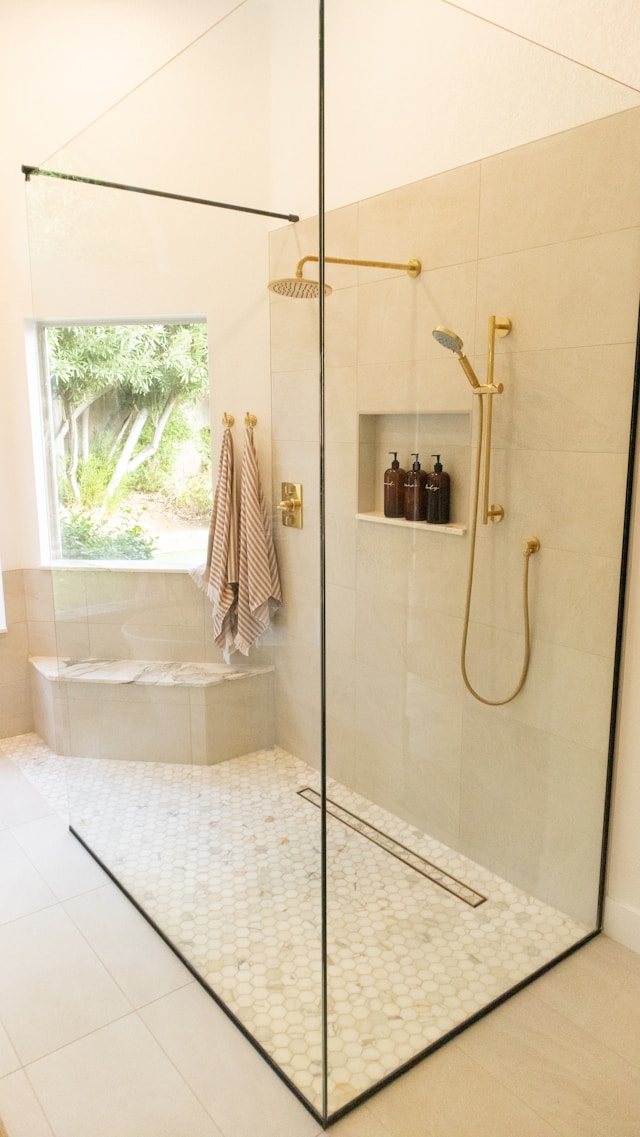
  • Walk-In Showers: With a frameless glass door and minimal barriers, these showers are perfect for creating a sleek, open look.
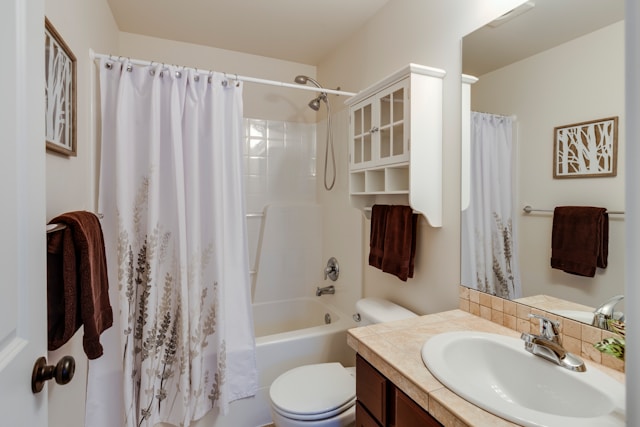
  • Shower-Tub Combos: Ideal for smaller bathrooms, these allow you to maximize space by combining the shower and bathtub.
  • Rainfall Showerheads: These provide a relaxing, spa-like experience, and can be paired with hand-held showerheads for added convenience.

When choosing a shower or tub, don’t forget to consider water pressure, energy efficiency, and materials that are easy to maintain.

Enhancing Your Space with Bathroom Accessories

Accessories may seem like minor details, but they play a crucial role in personalizing your bathroom and making it more functional. From storage solutions to decorative items, choosing the right accessories can turn a simple bathroom into a comfortable retreat.

1. Mirrors: More Than Just Reflection

A mirror is an essential accessory for any bathroom, but it can also double as a design element. Depending on the style and size, mirrors can enhance the room’s lighting, make the space feel larger, and serve as a focal point. Here are a few popular options:

  • Frameless Mirrors: Ideal for modern or minimalist bathrooms, these mirrors provide a clean and sleek look.
  • Framed Mirrors: These offer a more traditional or decorative touch, with the frame material contributing to the bathroom’s overall design.
  • Backlit Mirrors: A growing trend, backlit mirrors provide additional lighting and a futuristic aesthetic, making them both practical and stylish.

2. Towel Racks and Hooks: Blending Utility and Style

Towel racks and hooks are essential for keeping your bathroom organized. They’re simple accessories, but the material and design you choose can enhance the look of the entire room. You’ll want to select items that blend seamlessly with your other fixtures and finishes. For instance, if you have a matte black faucet, choosing a matte black towel rack will create a cohesive look. Heated towel racks are another option for those looking to add a touch of luxury to their bathroom.

3. Storage Solutions: Keeping Things Neat and Tidy

Storage is essential in any bathroom, especially if the space is shared. Well-organized storage solutions can help keep countertops clear and make your bathroom feel more spacious. Options include:

  • Vanity Cabinets: These provide ample storage space for toiletries, towels, and cleaning supplies, while also hiding unsightly plumbing.
  • Floating Shelves: Ideal for small bathrooms, floating shelves offer extra storage without taking up valuable floor space.
  • Over-the-Toilet Storage: For bathrooms with limited space, over-the-toilet cabinets or shelves provide an excellent way to maximize storage without crowding the room.

Small storage accessories, such as baskets, drawer organizers, and trays, are also useful for keeping your essentials neatly arranged and easily accessible.

4. Lighting: Setting the Mood

Lighting can dramatically change the look and feel of your bathroom. It’s crucial to have a combination of both task and ambient lighting. Task lighting, such as vanity lights or sconces, should be bright and clear to assist with activities like applying makeup or shaving. Meanwhile, ambient lighting helps set the overall tone of the room. Dimmable lights or fixtures with adjustable brightness allow you to create a relaxing environment for baths or showers. Energy-efficient LED lighting is a popular choice as it’s long-lasting and environmentally friendly.

5. Decorative Touches: Adding Personality

While bathroom accessories like towel racks and mirrors are essential, don’t forget about the smaller decorative touches that bring personality into the space. Items such as:

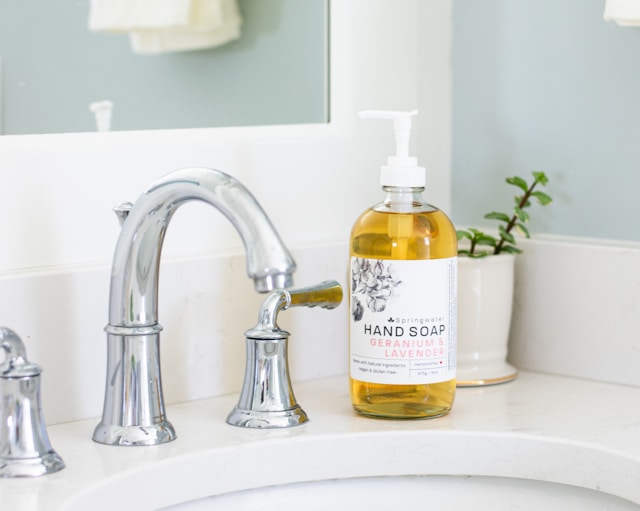
  • Soap Dispensers and Toothbrush Holders: Choose styles that complement your overall design, whether you prefer modern, rustic, or classic looks.
  • Bath Mats and Shower Curtains: These can add color, texture, and comfort to your bathroom while tying the design together.
  • Plants and Artwork: Adding greenery or framed art can bring life to the bathroom and make it feel more personal and cozy.

Coordinating Fixtures and Accessories for a Cohesive Look

The key to creating a beautiful bathroom is ensuring that your fixtures and accessories complement each other. Whether you prefer a modern, minimalist style or a more traditional design, consistency is essential. Here are some tips for pulling your design together:

  • Stick to a Color Scheme: Choose a few key colors and stick to them throughout the space. This applies not only to wall color but also to fixtures, hardware, and accessories. For example, if you choose a matte black faucet, you can carry that color through with matching towel bars, hooks, and other hardware.
  • Mix Materials Thoughtfully: While consistency is important, mixing materials like metal, wood, and stone can add depth and interest to your bathroom design. Just be sure that the materials complement each other and don’t create a jarring contrast.
  • Balance Form and Function: While it’s easy to get caught up in the aesthetics of your bathroom, don’t forget about functionality. A beautiful sink is useless if it doesn’t fit your needs, and stylish lighting won’t help if it doesn’t provide enough brightness for grooming.

In conclusion, bathroom fixtures and accessories have a significant impact on both the functionality and style of your space. By carefully selecting each element, from the sink to the soap dispenser, you can create a bathroom that’s not only practical but also a reflection of your personal taste. Whether you’re starting from scratch or simply updating a few items, thoughtful choices in fixtures and accessories can elevate your bathroom to a whole new level.

Maximizing Bathroom Storage and Organization: Smart Solutions for a Clutter-Free Space

When it comes to home design, the bathroom is often the most overlooked space, despite its critical role in our daily routines. An organized bathroom not only enhances functionality but also contributes to a serene and welcoming environment. If your bathroom is cluttered and disorganized, it can be challenging to find what you need when you need it, leading to frustration during busy mornings. In this article, we’ll explore a range of effective storage and organization ideas tailored for bathrooms of all sizes. Whether you have a spacious master suite or a compact powder room, these strategies will help you maximize your space, reduce clutter, and create a more enjoyable bathroom experience.

Understanding Your Bathroom Needs

Before diving into specific storage solutions, it’s essential to assess your individual needs and the unique features of your bathroom. Consider the following questions:

  • What items do you need to store? List out the essential items that need to be organized, such as towels, toiletries, makeup, and cleaning supplies. This list will help you determine what type of storage solutions will work best for you.
  • How much space do you have? Evaluate the layout of your bathroom, including any existing cabinets, shelves, and available wall space. Understanding your layout will guide you in selecting the most effective storage solutions.
  • What is your design style? Your bathroom should reflect your personal taste and style. Consider how your storage solutions can complement the overall aesthetics of your space.

Smart Storage Solutions

Once you have a clear understanding of your needs, it’s time to explore practical storage solutions that can transform your bathroom into a tidy, organized haven.

1. Utilize Vertical Space

In many bathrooms, vertical space remains underutilized. Make the most of your walls by incorporating various shelving options:

  • Floating Shelves: Installing floating shelves above the toilet or near the vanity can create additional storage for items like plants, decorative jars, or frequently used toiletries. Choose shelves made from materials that match your bathroom’s aesthetic to maintain a cohesive look.
  • Wall-Mounted Cabinets: For smaller bathrooms, consider wall-mounted cabinets that can store essential items while freeing up floor space. These cabinets come in various styles, allowing you to choose one that complements your design while providing functional storage.
  • Over-the-Door Storage: The back of your bathroom door is a prime location for additional storage. Over-the-door organizers or hooks can hold towels, robes, or cleaning supplies without taking up floor space.

2. Optimize Under-Sink Storage

The area beneath the sink often becomes a catch-all for cleaning supplies and toiletries. To keep this space organized, consider the following ideas:

  • Tiered Organizers: Use tiered organizers or stacking bins to create multiple levels of storage under your sink. This approach allows you to maximize vertical space while keeping items visible and accessible.
  • Storage Baskets: Invest in wicker or plastic baskets to group similar items. Label each basket for easy identification, making it simple to find what you need without rummaging through the entire cabinet.
  • Suction Cup Holders: Attach suction cup organizers inside the cabinet door to hold smaller items like sponges, brushes, or extra toilet paper rolls. This keeps them off the counter and neatly stored away.

3. Create a Vanity Station

Your bathroom vanity is a key area for storage and organization. To create a functional vanity station, consider these tips:

  • Drawer Dividers: Use drawer dividers to keep makeup, brushes, and grooming tools organized. Adjustable dividers allow you to customize the layout based on your specific items, ensuring everything has its designated spot.
  • Organizing Trays: Use trays on the vanity countertop to corral daily essentials, such as skincare products, perfumes, and hair tools. Grouping items on a tray prevents clutter and creates a visually appealing arrangement.
  • Mirror Cabinets: Consider installing a mirror cabinet above the sink. These cabinets offer hidden storage for items like medications and toiletries while keeping your countertop clutter-free.

4. Towel and Linen Storage

Towels and linens can quickly take up valuable space in your bathroom. Here are a few ways to keep them organized:

  • Towel Racks and Hooks: Install wall-mounted towel racks or hooks to keep towels off the floor. Choose stylish designs that match your bathroom decor for a cohesive look.
  • Linen Baskets: Place woven baskets in open shelving or under the sink to store rolled towels and washcloths. This approach not only keeps items organized but also adds a decorative touch to your bathroom.
  • Laundry Hamper: If space allows, include a dedicated laundry hamper in the bathroom for dirty towels and linens. Choose one that complements your decor while providing easy access for everyday use.

5. Organizing Small Items

Small items like cotton balls, swabs, and hair accessories can easily become cluttered. Here are some clever ways to store these items:

  • Apothecary Jars: Clear apothecary jars provide a stylish way to store small items while keeping them visible. Use these jars to hold cotton swabs, cotton balls, or bath salts, adding a decorative element to your bathroom.
  • Magnetic Strips: Install a magnetic strip inside a cabinet door to hold metal grooming tools like scissors, tweezers, or nail clippers. This innovative storage solution keeps these items organized and easily accessible.
  • Caddy Organizers: Use caddy organizers for frequently used items like hair products, skin care, and makeup. Caddies are portable, allowing you to move them around as needed, and they keep your items tidy.

Seasonal and Specialized Storage

Your bathroom storage needs may change with the seasons or with specific activities. Consider implementing specialized storage solutions to accommodate these changes:

1. Seasonal Items

  • Seasonal Baskets: Use decorative baskets to store seasonal items, such as sunscreen in the summer or extra blankets in the winter. Label these baskets for easy identification and switch them out as needed.
  • Guest Storage: Keep a dedicated area for guest supplies, such as extra towels, toiletries, and a hairdryer. This ensures that your guests have everything they need without cluttering your personal items.

2. Child-Friendly Storage

If you have children, it’s essential to create child-friendly storage solutions that make it easy for them to access their items while keeping potentially hazardous items out of reach.

  • Low Shelves: Install lower shelves for children’s toiletries and bath toys. This encourages them to pick up after themselves and helps them learn organization skills from an early age.
  • Under-Sink Locking Cabinets: For safety, consider using locking cabinets or drawers under the sink to store cleaning supplies and medications, keeping them out of reach of curious little hands.

Aesthetic Considerations

While functionality is essential, your bathroom storage solutions should also enhance the overall aesthetic of the space. Consider these tips to achieve a beautiful and organized look:

  • Color Coordination: Choose storage solutions that match your bathroom’s color palette. This creates a cohesive and visually pleasing design, making the space feel more intentional.
  • Decorative Containers: Opt for decorative containers or baskets that add a touch of style while providing functional storage. Materials like woven wicker, ceramic, or metal can elevate the look of your bathroom.
  • Plants and Greenery: Incorporate small plants or succulents on shelves or the countertop for a refreshing touch. Not only do they add life to the space, but they also create a calming atmosphere.

Regular Maintenance

Once you’ve established an organized bathroom, the key to maintaining that order is regular upkeep. Schedule periodic cleanings and decluttering sessions to ensure your bathroom stays organized. Encourage family members to put items back in their designated spots after use, fostering a sense of shared responsibility for the space.

Conclusion

Organizing your bathroom doesn’t have to be a daunting task. By understanding your unique storage needs and implementing smart solutions, you can transform your bathroom into a functional, clutter-free sanctuary. Whether you opt for vertical shelving, clever under-sink storage, or aesthetically pleasing containers, the right strategies can make a world of difference in how you experience this essential space. With a little creativity and planning, you can achieve a bathroom that is both organized and reflective of your personal style, enhancing your daily routines and making your bathroom a true retreat.

Designing Eco-Friendly Bathrooms: Sustainable Solutions for Modern Homes

As environmental consciousness grows, more homeowners are recognizing the importance of sustainable living. One area that often gets overlooked in the quest for eco-friendliness is the bathroom. This space consumes a significant amount of water and energy, making it a prime candidate for environmentally conscious improvements. In this article, we will explore innovative design ideas, materials, and practices to create an eco-friendly bathroom that is not only stylish but also sustainable.

Understanding Water Consumption

Water is one of our most precious resources, and the bathroom is a major contributor to household water usage. Traditional toilets can use up to 3.5 gallons per flush, while modern eco-friendly models use as little as 1.28 gallons. This significant reduction in water usage can have a substantial impact over time, especially in households with multiple family members.

To begin your journey toward an eco-friendly bathroom, consider investing in a dual-flush toilet. These toilets have two flush options: a low-volume flush for liquid waste and a higher volume for solid waste. By providing the choice, you can significantly cut down on unnecessary water usage.

If you are in the market for a new toilet, look for models that are certified by the Environmental Protection Agency’s (EPA) WaterSense program. These toilets are designed to use at least 20% less water than standard models while still performing efficiently.

Shower and Faucet Efficiency

Showers and faucets are other significant contributors to water consumption in the bathroom. On average, a traditional showerhead can use 2.5 gallons of water per minute. Switching to a low-flow showerhead can reduce this usage to 1.5 gallons per minute or less without sacrificing water pressure. This simple change can save thousands of gallons of water per year.

Faucets are also an area where water conservation can be easily achieved. Consider installing aerators on your bathroom faucets, which mix air with water to reduce the flow rate without compromising pressure. Many new faucets come with built-in aerators, making this upgrade simple and effective. Additionally, you can look for WaterSense-labeled faucets that comply with strict efficiency guidelines.

Another innovative option is a smart faucet that uses sensors to detect when hands are placed under the faucet, turning the water on and off automatically. This feature can help eliminate wasted water when the faucet is left running unnecessarily.

Embracing Sustainable Materials

Choosing eco-friendly materials is crucial in creating a sustainable bathroom. Many conventional materials used in bathroom design contain harmful chemicals and contribute to indoor air pollution. Opting for sustainable alternatives can make a significant difference.

When it comes to flooring, consider using bamboo or cork. Bamboo is a rapidly renewable resource that is incredibly durable and water-resistant, making it an excellent choice for bathrooms. Cork, derived from the bark of cork oak trees, is also sustainable and provides a warm, soft surface underfoot. Additionally, cork is naturally resistant to mold and mildew, making it ideal for high-humidity environments.

For countertops, look for recycled materials such as recycled glass or composite materials made from post-consumer waste. These materials not only reduce landfill waste but also create unique and eye-catching surfaces that can enhance the aesthetics of your bathroom.

Eco-Friendly Paints and Finishes

Traditional paints can release volatile organic compounds (VOCs) into the air, which can be harmful to both your health and the environment. When selecting paints for your bathroom, look for those labeled as low-VOC or zero-VOC. These eco-friendly options have significantly reduced chemical emissions, making them safer for indoor use.

In addition to paint, consider using natural finishes for cabinets and fixtures. Oils and finishes derived from natural sources, such as linseed oil or beeswax, are less harmful to the environment and provide a beautiful, rich finish to wooden elements in your bathroom.

Energy Efficiency in Lighting

Energy-efficient lighting is another critical component of an eco-friendly bathroom. Traditional incandescent bulbs consume a lot of energy and have a short lifespan. Switching to LED lighting can dramatically reduce energy consumption. LEDs use up to 80% less energy and last significantly longer than their incandescent counterparts, making them a smart choice for both your wallet and the environment.

In addition to using energy-efficient bulbs, consider incorporating natural light into your bathroom design. Skylights, large windows, and light tubes can help brighten your space with sunlight, reducing the need for artificial lighting during the day. Not only does natural light make a space feel larger and more inviting, but it also improves your mood and overall well-being.

Innovative Water Recycling Solutions

In addition to using less water, you can take your eco-friendly bathroom to the next level by incorporating water recycling systems. Greywater systems, for example, allow you to reuse water from sinks and showers for flushing toilets or irrigation purposes. This innovative approach reduces the amount of fresh water needed for everyday tasks, conserving this vital resource.

Another option is a rainwater harvesting system, which collects rainwater from your roof and stores it for use in your bathroom. This water can be used for flushing toilets or watering plants, further minimizing your reliance on municipal water sources.

Creating a Relaxing Atmosphere with Plants

Incorporating plants into your bathroom design not only enhances the aesthetic but also improves air quality. Many plants thrive in humid environments, making them perfect for bathrooms. Consider adding spider plants, ferns, or peace lilies to your space. These plants are known for their ability to filter out toxins and improve indoor air quality.

Additionally, using natural materials like wood and stone in your bathroom design can help create a calming, spa-like atmosphere. Wood accents, such as shelving or a wooden bath mat, can add warmth, while stone elements like a pebble shower floor or a granite countertop can create a serene environment.

Accessories and Eco-Friendly Choices

When selecting accessories for your eco-friendly bathroom, think about choosing items made from sustainable materials. Opt for biodegradable products, such as bamboo toothbrushes, organic cotton towels, and refillable soap dispensers. These choices not only reduce plastic waste but also add a touch of style to your bathroom.

For a personal touch, consider sourcing vintage or upcycled items. Thrift stores and flea markets can be great places to find unique decor that adds character to your space. Look for items like antique mirrors, repurposed shelving, or decorative jars to store toiletries.

Smart Technology for Sustainability

Smart home technology has advanced significantly in recent years, making it easier than ever to manage energy and water consumption. Installing smart devices in your bathroom can help you monitor your usage and make more conscious choices.

Consider adding a smart shower system that tracks water usage and provides real-time feedback on your consumption. Some systems even allow you to set limits, helping you stay mindful of your water habits. Smart mirrors with built-in lighting and Bluetooth capabilities can also enhance your bathroom experience while reducing energy waste.

Additionally, smart thermostats can help regulate the temperature in your bathroom, ensuring a comfortable environment without excessive energy use. These small adjustments can make a big difference in your overall energy consumption.

Long-Term Benefits of an Eco-Friendly Bathroom

Investing in an eco-friendly bathroom not only benefits the environment but also offers long-term financial savings. By using less water and energy, you’ll notice a reduction in your utility bills over time. Additionally, many eco-friendly fixtures and appliances are designed to be more durable and require less maintenance, saving you money on repairs and replacements.

Furthermore, as sustainability becomes more important to homebuyers, having an eco-friendly bathroom can enhance the resale value of your home. Buyers are increasingly looking for properties that offer energy efficiency and environmentally conscious features, making your sustainable choices a valuable investment.

Final Thoughts

Designing an eco-friendly bathroom is an opportunity to combine sustainability with style. By focusing on water conservation, energy efficiency, and the use of sustainable materials, you can create a space that is both functional and environmentally responsible. With the right choices, your bathroom can become a tranquil retreat that reflects your commitment to a greener lifestyle.

In conclusion, the journey toward an eco-friendly bathroom is not only about making changes for the planet but also about enhancing your quality of life. From reducing water and energy consumption to creating a beautiful and inviting space, the benefits are far-reaching. Embrace the challenge of designing an eco-friendly bathroom and enjoy the many rewards it brings to your home and the environment.
Creating the Perfect Bathroom: Design Ideas for Every Style and Space

Designing a bathroom goes beyond simply choosing tiles and fixtures. It’s about creating a space that’s practical, beautiful, and reflective of your personal style. Whether you’re working with a small powder room or a luxurious master suite, bathroom design plays a crucial role in the functionality and aesthetic appeal of your home. This article will explore a variety of bathroom design ideas to suit different styles, from contemporary minimalism to rustic charm, as well as tips for maximizing space, improving functionality, and incorporating the latest trends.

When planning a bathroom redesign, the first thing to consider is the overall layout and the space you’re working with. Efficient use of space is critical, especially in smaller bathrooms where every square inch counts. One of the best ways to maximize space is through thoughtful planning of the bathroom layout. Start by identifying the most essential components: the toilet, shower, sink, and storage. These elements need to be positioned in a way that allows for easy movement and accessibility, without making the room feel cramped.

In a small bathroom, consider space-saving features like wall-mounted sinks and toilets, which free up valuable floor space. Floating vanities also add an open, airy feel while providing storage for toiletries and cleaning supplies. Compact, built-in shelving can be used for additional storage, offering a clean look without cluttering the room with bulky furniture. For larger bathrooms, you can get more creative with the layout, perhaps incorporating a separate shower and bathtub, a spacious double vanity, or even a dressing area.

Lighting is another key aspect of bathroom design that can dramatically affect the ambiance and functionality of the space. Natural light is always desirable, so if possible, try to maximize the amount of sunlight entering the room by using large windows or skylights. However, privacy is a concern in most bathrooms, so frosted glass or window coverings can be used to balance light and privacy. For artificial lighting, a layered approach works best. Start with ambient lighting, such as ceiling fixtures or recessed lights, to provide general illumination. Then, add task lighting around the mirror for grooming and makeup application, and consider accent lighting to highlight architectural features or create a mood.

Once you’ve addressed the practical aspects of bathroom design, it’s time to think about aesthetics. Choosing the right style for your bathroom depends on personal preference as well as the overall design scheme of your home. Here are a few popular styles to consider:

Contemporary Minimalism: Minimalist bathrooms emphasize clean lines, simplicity, and the use of neutral colors. Think sleek fixtures, frameless glass showers, and a clutter-free aesthetic. To achieve this look, opt for materials like polished stone, stainless steel, and glass. A monochromatic color palette with shades of white, grey, or black helps create a modern, streamlined feel. In a minimalist bathroom, less is more, so avoid unnecessary décor and stick to essential items that serve a functional purpose. Storage should be hidden and integrated seamlessly into the design, such as under-sink drawers or recessed shelves in the shower.

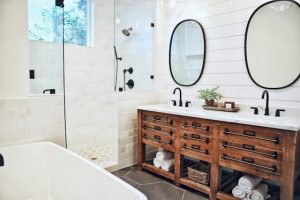
Rustic Charm: For those who prefer a more homey, traditional look, rustic bathroom designs can create a cozy and inviting atmosphere. Key elements of rustic style include natural materials like wood, stone, and brick, as well as vintage-inspired fixtures. Consider using reclaimed wood for vanities or shelves, stone countertops, and copper or brass faucets for an antique touch. Earthy tones like browns, greens, and warm neutrals work well in rustic bathrooms, adding a sense of warmth and comfort. Exposed beams, distressed finishes, and hand-painted tiles can further enhance the rustic charm.

Spa-Like Retreat: Transform your bathroom into a spa-inspired retreat with calming colors, luxurious materials, and a focus on relaxation. Soft, neutral tones like light blues, soft greens, and beige create a serene environment. Opt for natural materials such as bamboo, marble, and stone to evoke a sense of nature and tranquility. For a true spa feel, incorporate features like a freestanding bathtub, rain shower, and heated floors. Accessories such as fluffy towels, candles, and plants can enhance the relaxing vibe, while built-in shelves and niches provide practical storage for bath products and essentials.
Eclectic and Bold: If you’re someone who loves to express creativity through design, an eclectic bathroom might be just the thing. Eclectic bathrooms mix different styles, patterns, and colors to create a unique, one-of-a-kind space. Don’t be afraid to use bold colors like deep blue, emerald green, or even bright pink on walls or tiles. Patterned tiles, such as Moroccan or geometric designs, can be used for a statement wall or floor. Mix and match textures, like pairing a sleek glass sink with a rustic wood vanity or using industrial-style lighting with vintage brass fixtures. The key to making an eclectic bathroom work is finding balance and cohesion between contrasting elements.

No matter what style you choose, materials play an important role in determining the overall look and feel of your bathroom. Durable, high-quality materials not only improve the aesthetic of the space but also ensure longevity and easy maintenance. For countertops, materials like quartz, marble, and granite are popular choices because they are durable and offer a sleek, polished appearance. Tile is the most common material for bathroom flooring and walls, and there are a variety of options to suit any design style, from classic subway tiles to intricate mosaics. For a modern look, large-format tiles in neutral shades create a clean, seamless appearance, while textured or patterned tiles can add depth and personality.

Another crucial element in bathroom design is storage. Even the most beautiful bathroom can feel cluttered if there’s not enough space to store essentials like towels, toiletries, and cleaning supplies. Clever storage solutions help keep the bathroom organized and functional without sacrificing style. Built-in shelves, recessed cabinets, and floating vanities are all great ways to add storage without taking up too much space. For smaller bathrooms, consider using vertical storage, such as tall cabinets or shelving units that extend from floor to ceiling. Open shelving can also be a stylish way to display decorative items or neatly folded towels.

One trend that has become increasingly popular in bathroom design is the use of smart technology. Smart bathrooms incorporate features like motion-sensor lighting, touchless faucets, and programmable showers, making the space more convenient and efficient. Heated towel racks, automatic toilets, and integrated Bluetooth speakers are other high-tech additions that can enhance the overall experience of the bathroom. Smart technology not only improves functionality but also helps save energy by reducing water and electricity consumption.

Sustainability is another growing trend in bathroom design. Homeowners are increasingly looking for ways to make their homes more eco-friendly, and the bathroom is a great place to start. Low-flow toilets and faucets, energy-efficient lighting, and water-saving showerheads are just a few examples of how to reduce water usage and conserve energy. Choosing environmentally friendly materials, such as recycled glass tiles or sustainably sourced wood, can also help create a more eco-conscious bathroom design. Greenery, such as potted plants or living walls, can bring a natural element into the bathroom while also improving air quality.

Personalization is the final step in creating a bathroom that truly feels like your own. Adding personal touches through décor, accessories, and art can transform a simple bathroom into a space that reflects your personality and style. Consider incorporating artwork, photographs, or framed prints to add visual interest to the walls. Decorative mirrors, stylish soap dispensers, and plush towels can also enhance the overall look of the bathroom while serving a practical purpose. Plants are another easy way to add life and color to the space, especially in bathrooms with limited natural light.

In conclusion, bathroom design is about more than just function – it’s about creating a space that enhances your daily routine and reflects your unique style. Whether you’re drawn to the sleek lines of modern minimalism, the warmth of rustic charm, or the creative flair of an eclectic design, there are endless possibilities for crafting the perfect bathroom. By considering factors like layout, lighting, materials, storage, and personalization, you can create a bathroom that’s not only beautiful but also practical and enjoyable to use. The bathroom, often an overlooked part of the home, can become a place of comfort, relaxation, and inspiration with the right design choices.

Renovation & Remodeling: Elevate Your Home Experience

Renovation and remodeling are vital aspects of homeownership that allow you to refresh your living environment, adapt to changing needs, and enhance your property’s value. Whether you are considering a minor update or a major overhaul, understanding the nuances between these processes and how to navigate them can transform your home into a space that reflects your style and meets your needs. This article will explore key elements of renovation and remodeling, the benefits of each, and the steps involved in executing a successful project.

The Essence of Renovation and Remodeling

Before diving into the specifics, it is essential to distinguish between renovation and remodeling. Although the terms are often used interchangeably, they represent different processes in home improvement.

Renovation typically involves restoring a space to its former glory or updating it without altering its original layout. Common renovation projects include repainting walls, updating fixtures, or replacing flooring. Renovations are often less invasive and can be accomplished within a shorter timeframe.

Remodeling, on the other hand, refers to altering the structure or layout of a space to better suit your lifestyle. This can involve knocking down walls, adding new rooms, or completely reconfiguring a kitchen or bathroom. Remodeling is generally more extensive and requires careful planning and execution.

Both renovation and remodeling serve to improve the functionality and aesthetics of a home, but understanding their differences can guide your decisions throughout the process.

Benefits of Renovation and Remodeling

Investing in renovation and remodeling offers numerous advantages that go beyond mere aesthetics. Here are some compelling benefits of these projects:

1. Enhanced Functionality

One of the primary reasons homeowners choose to renovate or remodel is to improve functionality. As families grow and lifestyles change, the needs of a home evolve. Renovating a kitchen to create an open-concept layout or remodeling a bathroom to include a double vanity can significantly enhance daily living.

2. Increased Property Value

Well-planned renovation and remodeling projects can increase the value of your home. Whether you plan to sell soon or want to invest in your property for the long term, upgrades such as modern kitchens, updated bathrooms, and energy-efficient windows can attract potential buyers and offer a strong return on investment.

3. Improved Aesthetics

A fresh, updated space can breathe new life into your home. Renovations can introduce modern design elements, new color schemes, and updated materials that reflect your personal style. This is particularly important for areas that receive a lot of foot traffic, such as living rooms and kitchens.

4. Energy Efficiency

Home renovations often present opportunities to enhance energy efficiency. Upgrading appliances, windows, and insulation can lead to lower energy bills and a reduced environmental footprint. For example, installing energy-efficient HVAC systems or solar panels can yield significant long-term savings.

5. Increased Comfort

Comfort is a significant factor in your home environment. Whether it’s creating a cozy reading nook, upgrading to a spa-like bathroom, or enhancing outdoor living spaces, renovations and remodels can increase the overall comfort of your home.
Planning Your Renovation or Remodeling Project

Embarking on a renovation or remodeling project requires careful planning and execution. Below are the steps to consider for a successful undertaking:

1. Define Your Goals

Start by identifying your objectives for the project. Are you looking to increase space, improve aesthetics, or enhance functionality? Defining your goals will guide your decision-making process and help you communicate effectively with contractors and designers.

2. Set a Realistic Budget

Establishing a budget is critical to avoid overspending. Begin by researching the costs associated with your desired project, including materials, labor, and permits. Allocate extra funds for unexpected expenses, typically around 10-20% of your total budget, to ensure you have a financial cushion.

3. Research and Gather Inspiration

Look for design inspiration from magazines, websites, or social media platforms like Pinterest and Instagram. Create a mood board that captures your vision and aesthetic preferences. This visual guide will be invaluable when discussing your project with contractors.

4. Hire Professionals

Depending on the scale of your project, consider hiring professionals such as architects, designers, and contractors. Seek recommendations, read reviews, and interview potential candidates to find the right team that understands your vision and can work within your budget.

5. Obtain Permits

Check with your local building department to determine whether your project requires permits. Many renovations and remodels require permits to ensure compliance with safety codes and regulations. Be prepared to submit plans and wait for approval before commencing work.

Executing the Project

Once you have a solid plan in place, it’s time to bring your vision to life. Here are key considerations for executing your renovation or remodeling project:

1. Clear Communication

Maintain open lines of communication with your contractors and designers throughout the project. Regularly discuss timelines, materials, and any changes that may arise. This collaborative approach will help prevent misunderstandings and keep the project on track.

2. Prepare for Disruption

Renovation and remodeling can be disruptive, especially in frequently used areas like kitchens and bathrooms. Prepare your home and family for potential inconveniences, such as temporary living arrangements or restricted access to certain areas.

3. Monitor Progress

Regularly check in on the progress of your project to ensure it aligns with your vision and timeline. If issues arise, address them promptly with your contractor to avoid delays.

4. Final Inspection

Once the project is complete, conduct a final inspection to ensure everything meets your expectations. Verify that all agreed-upon work has been completed, and discuss any minor touch-ups or adjustments with your contractor.

Personalizing Your Space

After the heavy lifting is done, it’s time to focus on personalization. Decorating and furnishing your newly renovated or remodeled space is an exciting opportunity to express your style. Here are some tips to create a space that feels uniquely yours:

1. Choose a Color Palette

Select a cohesive color palette that reflects your personality and complements the architecture of your home. Neutral tones with pops of color can create a warm and inviting atmosphere, while bold colors can add drama and energy.

2. Incorporate Texture

Layering different textures adds depth and interest to your space. Consider incorporating textiles such as rugs, cushions, and curtains, as well as materials like wood, metal, and glass to create a dynamic environment.

3. Invest in Quality Furniture

Choose quality furniture that suits your style and fits the dimensions of your space. Opt for multi-functional pieces, such as a storage ottoman or a sofa bed, to maximize usability in smaller areas.

4. Add Personal Touches

Display personal items, such as artwork, family photos, or travel souvenirs, to make your space feel lived-in and loved. Personal touches add character and make your home truly reflect who you are.

5. Enhance with Accessories

Use accessories to complete your design. Throw pillows, decorative vases, and wall art can elevate the aesthetic of your space. Don’t be afraid to mix and match styles, colors, and patterns to achieve a unique look.

Conclusion

Renovation and remodeling are significant undertakings that can dramatically improve your home’s functionality, aesthetics, and value. By understanding the differences between these processes, setting clear goals, and carefully planning your project, you can create a space that truly reflects your style and meets your needs. The journey may come with its challenges, but the end result—a beautifully transformed home—will be well worth the effort. Embrace the opportunity to elevate your home experience and enjoy the fruits of your labor for years to come.

Designing the Perfect Bathroom: A Deep Dive into Fixtures and Accessories

When designing or remodeling a bathroom, the right fixtures and accessories are key to creating a space that is both functional and aesthetically pleasing. Every piece, from the sink to the towel racks, plays a role in the overall look and usability of the room. Thoughtfully chosen bathroom fixtures and accessories can enhance the efficiency, comfort, and style of your bathroom, transforming it from a mere utility space into a luxurious personal retreat. In this article, we will explore how to choose the best fixtures and accessories for a bathroom, ensuring they complement both the design and the functionality of the space.

Understanding the Role of Bathroom Fixtures

Fixtures are the essential components that define the usability of a bathroom. These include toilets, sinks, faucets, bathtubs, and showers. Selecting the right combination of these elements is crucial because they lay the foundation of the bathroom’s functionality.

Toilets: Efficiency and Comfort

Modern toilets offer a variety of features that go beyond simple functionality. Choosing the right toilet involves considering both design and efficiency.

  • Water Efficiency: Many modern toilets are designed with water-saving features, such as dual-flush mechanisms. This option allows you to use less water for liquid waste and more for solid waste, saving water while maintaining efficiency.
  • Comfort Height: Taller toilets, often called “comfort height” toilets, are becoming increasingly popular, especially for people with mobility issues. These toilets are easier to use, reducing strain on the knees and back.
  • Smart Toilets: Smart toilets, equipped with features like automatic flushing, heated seats, and bidets, add a touch of luxury to any bathroom. While they are more expensive, they provide an unparalleled level of convenience and comfort.

Sinks: Finding the Perfect Fit

The sink is one of the most visible and frequently used fixtures in any bathroom. There are several types of sinks, each with its own benefits in terms of style and installation.

  • Pedestal Sinks: These are a great option for small bathrooms, where space is limited. A pedestal sink provides a sleek, compact design while still offering a functional basin.
  • Vessel Sinks: Vessel sinks sit on top of the counter and can become a focal point in the bathroom. These sinks are ideal for those looking to make a bold design statement.
  • Undermount Sinks: Installed below the countertop, undermount sinks offer a seamless look and make cleaning the countertop easier. This option is often seen in modern or minimalist designs.

Faucets: Marrying Form and Function

Faucets are the finishing touch for your sink, bathtub, or shower, and they come in a wide range of styles, finishes, and functionalities.

  • Single-Handle Faucets: These faucets offer convenience by allowing you to adjust water temperature and flow with a single lever. They are ideal for smaller sinks or minimalist designs.
  • Widespread Faucets: With separate hot and cold handles, widespread faucets add a touch of elegance to larger vanities. They allow for more precise temperature control and create a classic, refined look.
  • Touchless Faucets: Touchless technology is making its way into residential bathrooms. These faucets are not only convenient but also more hygienic since they reduce the need to touch handles with dirty hands.

Bathtubs and Showers: Relaxation Meets Practicality

Bathtubs and showers are the heart of a bathroom’s relaxation potential. Choosing the right model can enhance both your bathing experience and the overall ambiance of the space.

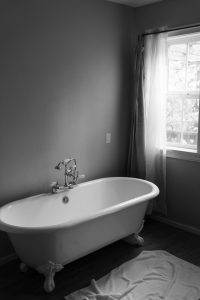
  • Freestanding Bathtubs: A freestanding tub is often the centerpiece of a luxury bathroom. These tubs make a bold statement and come in various styles, from vintage clawfoot models to sleek, modern designs.
  • Alcove Bathtubs: For smaller spaces, an alcove tub is the most practical option. These tubs fit neatly into a three-walled enclosure, saving space while still providing a comfortable soaking experience.
  • Walk-In Showers: Walk-in showers offer a spacious and modern feel, often with glass enclosures and rainfall showerheads. These showers can be customized with features like body jets, steam options, and bench seating for added comfort.
  • Shower-Tub Combos: A shower-tub combo is perfect for those who want both options in one compact space. This is a practical solution for family bathrooms, offering the flexibility of a quick shower or a relaxing bath.

Essential Bathroom Accessories: Practical and Aesthetic Elements

Once the primary fixtures are in place, bathroom accessories complete the design. These small but significant elements improve the functionality and aesthetic appeal of your bathroom.

Mirrors: Reflecting Style and Functionality

A well-placed mirror is an essential accessory in any bathroom. Not only is it functional, but it can also enhance the space’s sense of light and openness.

  • Framed Mirrors: A framed mirror can add a decorative element to the bathroom. Choose a frame that complements your overall design style, whether it’s rustic, modern, or traditional.
  • Medicine Cabinets: These mirrored cabinets offer a dual function, providing both a reflective surface and storage for toiletries and medications. They are especially useful in small bathrooms where storage space is limited.
  • LED Mirrors: Mirrors with built-in LED lighting offer enhanced visibility for grooming tasks and create a modern, luxurious feel in the bathroom. They are ideal for those looking to add a high-tech element to their design.

Towel Racks and Hooks: Keeping Things Organized

Towel racks, bars, and hooks are crucial for maintaining an organized bathroom. They keep towels within easy reach while also serving as a design element.

  • Heated Towel Racks: Heated towel racks not only keep your towels warm and dry but also add a touch of spa-like luxury to your bathroom. They are an excellent addition for colder climates or simply for those who enjoy a warm towel after a bath or shower.
  • Towel Hooks: If space is tight, towel hooks are a practical alternative to traditional towel bars. They can be mounted on walls or doors, making them a space-saving option for smaller bathrooms.
  • Freestanding Towel Racks: For larger bathrooms, freestanding towel racks provide flexibility in terms of placement and can hold multiple towels at once.

Storage Solutions: Keeping Clutter at Bay

One of the biggest challenges in bathroom design is ensuring there’s enough storage space. Clutter can quickly detract from the overall aesthetic, so proper storage solutions are essential.

  • Vanity Cabinets: The area under the sink can be utilized for storage by adding a vanity cabinet. These cabinets offer a place to store toiletries, cleaning supplies, and extra towels, keeping the bathroom organized.
  • Floating Shelves: Floating shelves provide additional storage without taking up floor space. They are perfect for storing decorative items, towels, or even plants, adding both function and style to the room.
  • Storage Baskets and Bins: Baskets and bins are a practical and attractive way to organize smaller items. Whether placed inside vanity drawers or on open shelves, they help reduce clutter while adding a decorative touch.

Lighting: Creating the Perfect Ambiance

Lighting plays a crucial role in bathroom design, both for practicality and ambiance. The right lighting scheme can make a bathroom feel larger, warmer, and more inviting.

  • Task Lighting: Focused lighting, such as vanity lights or sconces, is essential for grooming tasks like shaving or applying makeup. Place task lighting around the mirror for the best visibility.
  • Ambient Lighting: Ambient lighting provides overall illumination for the room. This can be achieved with ceiling fixtures, recessed lights, or even chandeliers, depending on the style of the bathroom.
  • Accent Lighting: For an added layer of sophistication, accent lighting can highlight design elements, such as art or architectural features. LED strips under cabinets or around mirrors are popular choices for adding a modern touch.

Tying It All Together: Matching Fixtures and Accessories

A cohesive bathroom design requires coordination between your fixtures and accessories. This doesn’t mean everything has to match perfectly, but elements should complement each other in terms of style, finish, and color.

  • Matching Finishes: Whether you prefer chrome, brushed nickel, or matte black, choosing a consistent finish for faucets, towel bars, and lighting fixtures helps create a unified look.
  • Coordinated Styles: If your bathroom features a traditional clawfoot tub, you might choose vintage-style faucets and accessories. In contrast, a modern floating vanity might be paired with sleek, contemporary fixtures.
  • Balancing Function and Style: While aesthetics are important, it’s essential not to overlook practicality. Ensure that the fixtures and accessories you choose are easy to use, maintain, and clean.

Conclusion

Creating a well-designed bathroom involves more than just picking out pretty fixtures and accessories. It requires a thoughtful balance between function and style, with every element working together to create a cohesive, efficient space. From the essential fixtures like toilets and sinks to the final touches such as mirrors and towel racks, each choice contributes to the overall feel and usability of the bathroom. By carefully selecting your fixtures and accessories, you can transform an ordinary bathroom into a stylish, functional retreat that meets your needs and reflects your personal taste.

Revitalize Your Space: A Comprehensive Guide to Renovation and Remodeling

Renovating and remodeling your home can be a thrilling endeavor that allows you to express your personal style, adapt to changing needs, and breathe new life into your space. Whether you’re considering a small refresh or a complete overhaul, understanding the nuances of renovation and remodeling is essential for a successful project. This article will delve into the various aspects of home renovation and remodeling, highlighting the key considerations, popular trends, and tips to ensure a smooth and enjoyable experience.

Understanding Renovation and Remodeling

Before embarking on any project, it’s crucial to understand the difference between renovation and remodeling. While these terms are often used interchangeably, they represent distinct processes.

Renovation involves restoring a space to its original condition or updating it without altering its layout. Renovations typically include cosmetic changes, such as painting walls, replacing fixtures, or upgrading flooring. These projects are generally less invasive and can often be completed quickly.

Remodeling, in contrast, involves making significant changes to the structure or layout of a space. This may include expanding rooms, reconfiguring layouts, or adding new elements like bathrooms or kitchens. Remodeling projects tend to be more extensive, requiring thorough planning and execution.

Benefits of Renovation and Remodeling

Engaging in renovation and remodeling can offer a range of benefits for homeowners. Understanding these advantages can help motivate you to undertake your project.

1. Personalization and Style

One of the primary benefits of renovation and remodeling is the opportunity to express your unique style. You can select colors, materials, and layouts that resonate with your personality, transforming your home into a true reflection of who you are.

2. Increased Home Value

A well-executed renovation or remodel can significantly boost the value of your property. Updated kitchens, modern bathrooms, and energy-efficient upgrades are particularly attractive to potential buyers. Whether you plan to sell your home soon or simply want to invest in your property, these enhancements can yield a strong return on investment.

3. Improved Functionality

As families grow and lifestyles change, the need for adaptable living spaces becomes essential. Renovation and remodeling can enhance the functionality of your home, allowing you to create spaces that better suit your current needs. For example, you might remodel a kitchen to include an island for additional prep space or renovate a bathroom to make it more accessible.

4. Energy Efficiency

Many homeowners choose to renovate or remodel with an eye toward sustainability. Upgrading appliances, windows, and insulation can lead to lower energy bills and a smaller environmental footprint. Energy-efficient upgrades not only save you money but also contribute to a healthier planet.

5. Enhanced Comfort and Aesthetics

Improving your living environment can enhance your overall comfort. Whether you want to create a cozy retreat or a spacious gathering place for family and friends, thoughtful renovations and remodels can transform your home into a more inviting space.

Planning Your Renovation or Remodeling Project

Once you’ve decided to take the plunge into renovation or remodeling, effective planning is essential for success. Here are some steps to help you navigate this process:

1. Define Your Goals

Before getting started, clarify your goals. What do you hope to achieve with your renovation or remodel? Are you looking for increased space, improved aesthetics, or enhanced functionality? By defining your objectives, you can create a focused plan that aligns with your vision.

2. Establish a Budget

Creating a budget is crucial to managing your renovation or remodeling project effectively. Research the costs associated with your desired changes, including materials, labor, and permits. Setting a realistic budget will help you avoid overspending and ensure that you can complete your project without financial strain.

3. Gather Inspiration

Researching design ideas and gathering inspiration is an enjoyable part of the process. Browse home improvement websites, magazines, and social media platforms to find styles and features that resonate with you. Creating a mood board can help visualize your ideas and communicate them to designers or contractors.

4. Hire Professionals Wisely

Depending on the scale of your project, you may need to hire professionals, such as architects, designers, or contractors. Seek recommendations from friends or family and check online reviews. Interview multiple candidates to find professionals who align with your vision and budget.

5. Obtain Necessary Permits

Before starting any construction, check with your local building department to determine whether your project requires permits. Many renovations and remodels require permits to ensure compliance with safety and building codes. Be prepared to submit plans and wait for approval before proceeding.

Executing the Project: Key Considerations

With your plans in place, it’s time to execute your renovation or remodeling project. Here are essential considerations to keep in mind during this phase:

1. Clear Communication

Effective communication with your contractors and designers is vital for a successful project. Regularly discuss timelines, budgets, and any changes that arise. Establishing clear expectations from the beginning will help prevent misunderstandings and ensure that everyone is on the same page.

2. Prepare for Disruption

Renovation and remodeling can disrupt your daily life, especially in heavily used areas like kitchens and bathrooms. Prepare your home and family for this disruption by establishing temporary living arrangements or creating designated areas for essential activities.

3. Monitor Progress

Regularly check in on the progress of your project to ensure it aligns with your vision and timeline. If issues arise, address them promptly with your contractor to avoid delays or miscommunication.

4. Final Walkthrough and Inspection

Once the project is complete, conduct a thorough walkthrough with your contractor. Ensure that all work meets your expectations and that any agreed-upon changes have been implemented. Discuss any touch-ups or adjustments needed to finalize the project.

Adding Personal Touches

After completing your renovation or remodel, it’s time to personalize your space. Thoughtful decor and furnishings can create a warm and inviting atmosphere that feels uniquely yours. Here are some tips for adding personal touches:

1. Choose a Cohesive Color Palette

Selecting a cohesive color palette will tie your design together. Consider colors that reflect your personality and enhance the overall aesthetic of your home. Use a mix of complementary colors and textures to create depth and interest.

2. Layer Textures and Patterns

Incorporating various textures and patterns can add visual interest to your space. Combine textiles like rugs, curtains, and cushions with materials like wood, glass, and metal. Layering textures creates a dynamic environment that feels both inviting and stylish.

3. Invest in Quality Furniture

Choose furniture that is both functional and stylish. Opt for pieces that suit your space’s dimensions and your lifestyle. Consider multi-functional furniture, such as storage ottomans or extendable dining tables, to maximize usability in smaller areas.

4. Showcase Personal Items

Display personal items, such as family photos, artwork, or travel souvenirs, to create a sense of warmth and character in your home. Personal touches not only enhance the aesthetic but also tell your story and make your space feel lived in.

5. Accessorize Thoughtfully

Accessories are the finishing touches that complete your design. Use decorative vases, plants, and throw pillows to enhance the aesthetics of your space. Mixing and matching different styles, colors, and patterns can create a unique and eclectic look.

Conclusion

Renovation and remodeling are exciting opportunities to transform your living environment. By understanding the distinctions between these processes, setting clear goals, and executing a well-planned project, you can create a space that reflects your style and enhances your quality of life. The journey may come with challenges, but the satisfaction of a beautifully transformed home is well worth the effort. Embrace the chance to revitalize your space and enjoy the many benefits that come from investing in your home.

Bathroom Design Ideas: Tailoring Your Space for Every Lifestyle

Designing a bathroom that balances aesthetics and functionality is a task that requires careful planning, especially when considering the unique needs of each user. From busy families to singles looking for a personal oasis, every lifestyle calls for different bathroom features and styles. Whether you’re working with a large master bathroom or a compact guest bath, thoughtful design choices can enhance the usability of your space while reflecting your personal style.

In this article, we’ll explore bathroom design ideas that cater to various lifestyles and practical needs, helping you make decisions that ensure your bathroom is not only beautiful but also functional for your day-to-day life.


1. Family-Friendly Bathroom Design: Prioritizing Durability and Storage

A family bathroom needs to be highly functional, durable, and easy to maintain. Since it’s often used by multiple people, from kids to adults, the design should accommodate everyone’s needs while keeping clutter at bay.

Key Features for Family Bathrooms:

  • Durable Materials: Family bathrooms are prone to wear and tear, so choose materials that can withstand heavy use. Porcelain or ceramic tiles are excellent options for flooring and walls since they are easy to clean and resistant to moisture. Avoid porous materials like natural stone, which can stain easily.
  • Double Vanities: A double vanity is a game-changer for families. It allows multiple people to use the space simultaneously, making morning routines smoother. Make sure the vanity has enough counter space and storage beneath for toiletries, towels, and everyday items.
  • Ample Storage: Bathrooms tend to accumulate a lot of products—shampoo bottles, bath toys, towels, and cleaning supplies. Incorporating smart storage solutions is essential for keeping everything organized. Consider wall-mounted cabinets, built-in shelving, or under-sink storage to maximize space.
  • Kid-Friendly Features: If you have young children, think about features like lower sink heights or step stools that allow them to use the bathroom independently. Slip-resistant flooring is also a must to ensure safety in a high-traffic family bathroom.

Design Tip for Families

Use soft, neutral tones or fun, playful accents like colorful towels or bath mats to create a welcoming space that appeals to both children and adults. Durable finishes like matte paint or waterproof wallpaper can make the space easier to clean and maintain.


2. Master Bathroom Retreat: Creating a Relaxing Sanctuary

For many homeowners, the master bathroom is a place to escape and unwind after a long day. Creating a personal retreat requires a focus on luxury, comfort, and calming aesthetics. Whether you prefer a minimalist, spa-like design or something more elaborate, your master bathroom should feel like a serene haven.

Design Elements for a Master Bathroom:

  • Freestanding Tub or Walk-In Shower: A luxurious freestanding bathtub can be the focal point of a master bathroom, providing a space to relax and recharge. Alternatively, if you prefer showers, opt for a large walk-in shower with multiple showerheads or a rainfall option to enhance the experience.
  • Warm and Cozy Aesthetics: To create a calming atmosphere, choose soft, neutral colors like white, beige, or pale blue. Add texture through natural materials like wood, stone, or woven baskets, which create a warm and inviting ambiance. Heated floors or towel warmers are additional touches that bring a sense of indulgence to your bathroom.
  • Ample Counter Space: A spacious master bathroom should have plenty of counter space for grooming and storing personal items. Consider installing a large vanity with his-and-hers sinks, so you and your partner have your own areas for morning and evening routines.
  • Lighting and Mirrors: A large mirror paired with dimmable lighting can set the mood for relaxation. Wall sconces or vanity lights on either side of the mirror ensure even lighting for daily grooming tasks like shaving or applying makeup.

Design Tip for a Master Retreat

Incorporate plants and natural scents like lavender or eucalyptus to enhance the calming effect. These small details make a master bathroom feel like a true sanctuary, promoting relaxation and tranquility.


3. Small Bathroom Solutions: Making the Most of Limited Space

Just because your bathroom is small doesn’t mean it can’t be stylish and functional. With clever space-saving solutions and smart design strategies, you can make even the tiniest bathroom feel larger and more efficient.

Small Bathroom Design Ideas:

  • Compact Fixtures: In a small bathroom, choosing the right fixtures is key. Opt for compact sinks, toilets, and vanities that fit the scale of the room without overwhelming the space. Wall-mounted toilets and floating vanities free up floor space, making the room feel more open.
  • Sliding or Pocket Doors: Traditional swing doors take up valuable floor space. A sliding barn door or pocket door is a great solution for tight bathrooms, allowing you to maximize every inch.
  • Mirrors and Glass: Mirrors are your best friend in a small bathroom. A large mirror not only serves a functional purpose but also reflects light and creates the illusion of a larger space. Consider using glass shower doors instead of curtains to make the room feel more open.
  • Vertical Storage: Maximize storage in a small bathroom by utilizing vertical space. Floating shelves, recessed niches, and hanging baskets provide storage without cluttering the floor.

Design Tip for Small Spaces

Use a light color palette and keep patterns minimal to avoid overwhelming the small space. Bright lighting and strategic mirror placement can make the bathroom feel much more expansive than it is.


4. Guest Bathroom Ideas: Practical and Welcoming Design

The guest bathroom should strike a balance between practicality and hospitality. It’s a space that guests will use during their stay, so it should be functional and easy to navigate, while also reflecting your home’s overall design aesthetic.

Design Ideas for Guest Bathrooms:

  • Universal Design: Since guests can vary in age and mobility, consider universal design principles when creating a guest bathroom. Install grab bars in the shower, choose a walk-in shower over a bathtub, and ensure that the toilet is at a comfortable height for all users.
  • Neutral, Inviting Décor: A guest bathroom should feel neutral yet welcoming. Choose soothing colors like gray, beige, or soft blue, and add touches like fresh towels, plants, or artwork to make the space feel homey.
  • Storage for Guests: Make sure there’s enough storage for guests to store their toiletries during their stay. An open shelf or a small cabinet beneath the sink can provide enough space for their essentials. A hook for towels or robes and a space for extra toiletries are thoughtful additions.
  • Easy Maintenance: Since the guest bathroom may not be used as often, choose materials and finishes that are easy to maintain. Porcelain tiles, quartz countertops, and moisture-resistant paint can help keep the space looking fresh without requiring frequent cleaning.

Design Tip for Guests

Place a few luxury toiletries like fancy soaps, lotions, and plush towels in the bathroom to make your guests feel pampered and welcome.


5. Designing for Accessibility: Functional Yet Stylish

For those who require accessible bathrooms due to mobility challenges, safety is the top priority. However, that doesn’t mean you need to sacrifice style. Accessible bathrooms can be both functional and aesthetically pleasing with thoughtful design choices.

Accessible Bathroom Features:

  • Walk-In Showers and Grab Bars: A curbless, walk-in shower is ideal for individuals with mobility issues, as it allows easy entry without stepping over a tub edge. Install grab bars inside the shower and near the toilet for added safety.
  • Comfort-Height Toilets: Comfort-height toilets are slightly higher than standard toilets, making it easier for individuals with limited mobility to sit down and stand up.
  • Lever Faucets and Touchless Technology: Lever-style faucets are easier to operate for those with arthritis or other mobility issues. Touchless faucets and soap dispensers can also make the bathroom more user-friendly.
  • Wider Doorways: If possible, widen the doorway to accommodate walkers or wheelchairs. Pocket doors can also be a good option for those with mobility challenges, as they are easier to operate.

Design Tip for Accessible Bathrooms

Ensure that all accessible features blend seamlessly with the overall design. Choose grab bars and fixtures that match the style of the room, so they don’t stand out as purely functional elements.


Conclusion: Find the Right Bathroom Design for Your Lifestyle

Whether you’re designing for a family, creating a personal retreat, or catering to accessibility needs, the key to a successful bathroom design is making sure it aligns with your lifestyle. By choosing the right fixtures, colors, and materials, you can create a bathroom that is not only beautiful but functional and tailored to your everyday needs.

Transforming Spaces: A Guide to Effective Renovation and Remodeling

Renovating and remodeling a home can be an exhilarating yet daunting journey. Whether you’re looking to breathe new life into a tired space, adapt your home for a growing family, or simply make it more appealing for future buyers, understanding the nuances of renovation and remodeling is essential. This article delves into the different facets of renovation and remodeling, offering practical tips, insights, and inspiration for your next home project.

Understanding Renovation vs. Remodeling

At the outset, it’s crucial to distinguish between renovation and remodeling. While both involve updating or improving a space, their implications are different. Renovation refers to restoring a space to a good state of repair, focusing primarily on aesthetic improvements. This might include repainting walls, replacing old flooring, or updating fixtures. The main goal is to refresh and revitalize an existing space without changing its fundamental layout or function.

Remodeling, on the other hand, is a more extensive process that involves altering the structure or layout of a space. This could mean knocking down walls to create an open floor plan, reconfiguring a kitchen to improve flow, or adding a new room altogether. Remodeling is often a more significant investment in terms of time and money, but it can yield a more profound transformation that meets changing needs.

The Importance of Planning

The success of any renovation or remodeling project starts with careful planning. Before jumping into the design process, take time to consider your goals. What do you want to achieve? Are you looking for increased functionality, improved aesthetics, or enhanced resale value? Understanding your priorities will help guide your decisions throughout the project.

Once your goals are clear, set a realistic budget. Consider all aspects of the project, including materials, labor, and unforeseen expenses. It’s advisable to allocate a contingency fund, usually around 10-20% of your overall budget, to account for unexpected costs that may arise during the renovation or remodeling process.

Next, create a timeline for your project. Outline each phase, from planning and design to execution and final touches. While it’s essential to set deadlines, be flexible. Renovations often encounter delays due to weather, material availability, or other unforeseen circumstances.

Inspiration and Design Ideas

Finding inspiration is an exciting part of the renovation and remodeling process. Explore design magazines, online platforms like Pinterest, and home improvement shows for fresh ideas. When gathering inspiration, consider the following design elements:

  1. Color Schemes: Choose colors that resonate with your personal style and the mood you want to create. Lighter colors can make a space feel larger and more open, while darker hues can create a cozy, intimate atmosphere.
  2. Materials: The materials you choose play a significant role in the overall aesthetic and durability of your space. Consider eco-friendly options, such as reclaimed wood or sustainable materials, to enhance both beauty and sustainability.
  3. Lighting: Lighting can dramatically affect the ambiance of a room. Explore various lighting options, including pendant lights, chandeliers, and recessed lighting, to create layers of light that enhance your space.
  4. Furniture and Layout: Consider the functionality of your space when selecting furniture and planning the layout. Create a flow that makes sense for how you and your family will use the space daily.
  5. Outdoor Spaces: Don’t forget to include outdoor areas in your renovation plans. Expanding your living space to the outdoors can provide additional room for relaxation and entertainment. Consider adding a deck, patio, or garden area that complements your home’s design.

Choosing the Right Professionals

Depending on the scope of your project, you may need to enlist the help of professionals. Here are some key players who can help bring your vision to life:

  1. Architects: If your project involves significant structural changes, hiring an architect can be beneficial. They can help design a space that meets your needs while adhering to building codes and regulations.
  2. Interior Designers: An interior designer can assist in creating a cohesive aesthetic and ensuring that the layout works for your lifestyle. They can provide valuable insights into color schemes, materials, and furniture selection.
  3. Contractors: A licensed contractor is essential for managing the construction process. They will oversee the work, hire subcontractors, and ensure that everything runs smoothly. Always check references and verify credentials before hiring a contractor.
  4. Specialists: Depending on your project, you may need to hire specialists, such as electricians, plumbers, or HVAC professionals. Make sure they are licensed and experienced in their respective fields.

Tips for a Successful Renovation or Remodeling Project

  1. Communicate Clearly: Maintaining open communication with your contractors and professionals is crucial. Clearly outline your expectations, preferences, and any changes you want to make throughout the project. Regular check-ins can help avoid misunderstandings and ensure that the project stays on track.
  2. Stay Organized: Keep all documentation, including contracts, permits, and design plans, in a dedicated folder. Staying organized will help you manage your project more efficiently and provide a reference for any questions that arise.
  3. Be Flexible: Renovations and remodeling projects can be unpredictable. Be prepared for changes in plans, timelines, and budgets. Remaining adaptable will help you navigate challenges more smoothly and maintain a positive outlook.
  4. Prioritize Quality: While it may be tempting to cut corners to save costs, prioritizing quality will pay off in the long run. Invest in durable materials and skilled labor to ensure that your renovation or remodeling project stands the test of time.
  5. Enjoy the Process: While it’s easy to become overwhelmed by the details, remember to enjoy the journey. Celebrate milestones along the way and take time to appreciate the transformation of your space.

Common Challenges and Solutions

Even with careful planning, challenges can arise during renovation and remodeling projects. Here are some common issues and how to address them:

  1. Budget Overruns: Unexpected costs can derail even the best-laid plans. To mitigate this risk, always have a contingency fund and be prepared to make adjustments to your project scope if necessary.
  2. Delays: Weather, material shortages, or labor availability can cause delays. Build extra time into your project timeline to account for potential hold-ups, and maintain open communication with your contractor to stay informed about any changes.
  3. Design Conflicts: Homeowners may find themselves struggling to balance their vision with practical considerations. Consult with your designer or contractor to ensure that your design choices align with the structural realities of your home.
  4. Living in Disruption: Renovations can disrupt daily life, especially in essential areas like the kitchen or bathroom. Consider setting up a temporary living arrangement or creating designated areas of your home for use during the renovation to minimize inconvenience.

The Final Reveal

After months of planning, hard work, and dedication, the moment has finally arrived: the reveal of your newly renovated or remodeled space. Take time to appreciate the transformation and enjoy the fruits of your labor. Here are a few ideas for celebrating the completion of your project:

  1. Host a Reveal Party: Invite friends and family over to showcase your newly transformed space. Sharing your excitement with loved ones can make the experience even more special.
  2. Document the Journey: Consider documenting the renovation process through photos or a blog. Not only will this serve as a wonderful keepsake, but it can also provide inspiration for others embarking on similar projects.
  3. Reflect on the Experience: Take time to reflect on the challenges and successes of your renovation or remodeling journey. Consider what you’ve learned and how the experience has shaped your understanding of home improvement.

Conclusion

Renovation and remodeling are powerful tools for transforming your living space into a home that reflects your personal style and meets your evolving needs. With careful planning, clear communication, and a willingness to adapt, you can navigate the complexities of home improvement successfully. Whether you’re refreshing a single room or undertaking a full home transformation, the journey can be incredibly rewarding. Embrace the opportunity to create a space that enhances your life, fosters comfort, and welcomes cherished memories for years to come.