455
Home Blog Page 2

Creating a Functional and Stylish Bathroom: The Ultimate Guide to Storage and Organization

A well-organized bathroom can transform your daily routine, making your space more functional, efficient, and enjoyable. However, given the typically small size of bathrooms and the sheer volume of toiletries, linens, and grooming supplies they need to store, achieving both style and order can be a challenge. Whether you have a spacious master bathroom or a tiny guest powder room, thoughtful storage solutions can help you maintain a clutter-free, streamlined environment. In this article, we’ll explore creative and practical bathroom storage and organization ideas that will maximize your space without compromising style.
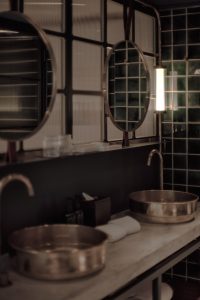
Assess Your Storage Needs

Before diving into organizing your bathroom, it’s essential to take stock of what you actually need to store. Each bathroom is unique, with varying storage needs depending on how many people use the space, the types of products you keep, and how frequently you use them.

  1. Categorize Your Items: Group your belongings into categories like skincare products, hair tools, towels, cleaning supplies, and first-aid kits. This process helps you understand which areas need more storage and where you can optimize your current setup.
  2. Minimize Excess: It’s easy for items to pile up over time, especially in a space like the bathroom. Remove products you no longer use, throw away expired cosmetics or toiletries, and clear out unnecessary clutter. This step alone can open up a surprising amount of space.

Utilize Vertical Space

In small bathrooms especially, vertical space can often be overlooked as prime storage real estate. Utilizing wall-mounted storage systems helps free up valuable counter and floor space.

  1. Install Floating Shelves: Adding floating shelves to your bathroom walls can offer stylish storage for items like towels, baskets with toiletries, or decorative accents. These shelves come in various materials, such as wood or glass, allowing you to match them with your bathroom’s overall aesthetic.
  2. Tall Cabinets and Towers: If you have room, a tall cabinet or tower can provide additional storage without taking up too much floor space. Place this piece in a corner to make the most of an unused nook. It can house towels, spare toiletries, or bathroom cleaning supplies.
  3. Hooks and Racks: Wall-mounted hooks or towel racks are a great way to store bulky towels without sacrificing floor space. Hooks can also be used for bathrobes, shower caddies, or even hanging baskets to store small items.

Smart Solutions for Under-the-Sink Storage

The area under your sink can easily turn into a jumbled mess, with bottles, cleaning supplies, and toiletries strewn about. However, there are plenty of simple solutions to help organize this hidden storage area.

  1. Use Stackable Bins or Drawers: These are ideal for maximizing the vertical space under your sink. Store cleaning products, toilet paper, and extra toiletries in separate bins or drawers so they don’t become mixed together. Label each one for easier access.
  2. Door Storage: Don’t let the cabinet door space go to waste. Install adhesive hooks or small wire baskets on the inside of your cabinet doors to hold smaller items like hairbrushes, combs, or cleaning cloths.
  3. Pull-Out Shelves: Installing pull-out shelves or sliding organizers under the sink can make it easier to access items stored in the back. These are especially useful for deep cabinets, where items often get lost or forgotten.

Drawer Dividers and Organizers

Bathroom drawers can quickly become a chaotic catch-all for cosmetics, hair accessories, and grooming tools. Using drawer dividers can help streamline your storage and make it easier to find what you need.

  1. Section Off Your Drawers: Dividers allow you to separate items into categories—one section for makeup brushes, another for skincare products, and a separate area for combs or razors. This keeps everything organized and prevents small items from rolling around.
  2. Customizable Tray Organizers: Invest in customizable tray organizers that fit your specific drawer size. These trays come in various shapes and compartments, allowing you to organize everything from nail polish to lipsticks efficiently.
  3. Rotating Organizers: For deep drawers, consider adding a rotating organizer. These are perfect for items like small bottles or jars that can be difficult to reach otherwise. A simple spin can give you easy access to your everyday essentials.

Maximize Shower Storage

Shower storage is often overlooked when it comes to bathroom organization, yet it is one of the most important areas to keep neat and tidy. With various shampoo bottles, body washes, and razors, it’s easy for the shower area to feel cluttered.

  1. Shower Caddies: One of the easiest ways to organize your shower products is by installing a shower caddy. These can either be mounted on the wall, placed over the showerhead, or hung over the door. Caddies with multiple shelves provide space for everything from soap to shampoo and razors.
  2. Shower Niches: If you’re in the process of renovating or remodeling, consider adding built-in niches to your shower wall. These recessed spaces offer an elegant and permanent solution for storing toiletries.
  3. Corner Shelves: Maximize unused corners by installing corner shelves inside the shower. These compact shelves hold items such as soap and scrub brushes, freeing up space on the floor or edge of the tub.

Over-the-Door Storage

In smaller bathrooms, over-the-door storage solutions can make a significant difference in keeping items off the floor and counters.

  1. Over-the-Door Racks: Hanging racks over your bathroom door or shower door can provide extra space for towels, robes, or bath sponges. Choose racks with multiple bars or hooks to accommodate more items.
  2. Pocket Organizers: Over-the-door pocket organizers offer numerous small compartments for storing everything from cosmetics to bath accessories. These are especially useful in a bathroom shared by multiple people, as each person can have their own designated pocket.

Multi-Purpose Furniture

Incorporating furniture with dual functions can help you optimize space, especially in smaller bathrooms.

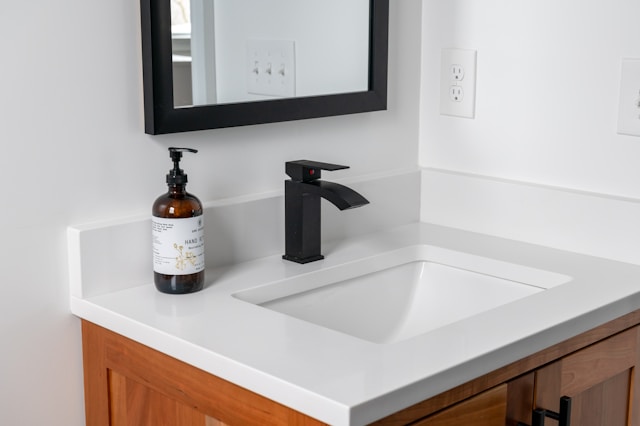
  1. Vanity with Built-In Storage: Vanities with built-in drawers or shelving are a perfect way to combine style with function. Look for vanities that offer additional storage space for towels, toiletries, and grooming tools, eliminating the need for standalone cabinets.
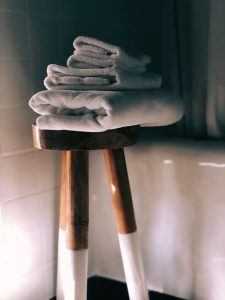
  2. Ottoman with Hidden Storage: If you have space, a small ottoman or stool with hidden storage inside is an ideal way to store extra towels or bath linens. These versatile pieces also provide seating when needed.
  3. Storage Ladder: Decorative ladders lean against the wall and can be used to hang towels or baskets. This not only adds a modern and stylish element to your bathroom but also serves as a practical storage solution.

Create an Organized Linen Closet

For those lucky enough to have a linen closet in or near the bathroom, keeping it organized is essential to maintaining a clutter-free bathroom environment.

  1. Use Baskets or Bins: Store similar items together using labeled baskets or bins. Towels can be rolled or folded neatly, and spare toiletries can be organized in bins for easy access.
  2. Label Everything: Labeling shelves or baskets ensures that everyone in the household knows where to find things and where to put them back. This reduces clutter and keeps the space orderly.
  3. Install Adjustable Shelving: Adjustable shelving in your linen closet allows you to customize the space based on your current storage needs. If you’re storing large towels or extra bed linens, you can move the shelves to accommodate bigger items.

Aesthetic Storage Solutions

Storage doesn’t have to be purely functional. There are plenty of stylish options that add to the bathroom’s aesthetic while keeping things tidy.

  1. Wicker Baskets: Use decorative wicker baskets to store items such as rolled-up towels, toilet paper, or extra soaps. These baskets can be placed under the sink, in cabinets, or on open shelving to keep things organized while adding texture and style.
  2. Apothecary Jars: Clear glass apothecary jars are perfect for displaying small bathroom essentials like cotton balls, Q-tips, or bath salts. They add a vintage charm to your bathroom while keeping these items neatly contained.
  3. Elegant Trays: Use a chic tray on your countertop or vanity to group together frequently used items like hand soap, lotion, or perfume. This adds a polished look while keeping things tidy.

Maintain the Organization

Once your bathroom is organized, maintaining the system is crucial to keeping things tidy over the long term.

  1. Develop Habits: Get into the habit of putting things back in their designated places after using them. This simple step can prevent clutter from building up.
  2. Regular Clean-Outs: Periodically go through your bathroom storage and remove items you no longer need. Keeping only what you use will help maintain order.
  3. Involve Family Members: If you share the bathroom with others, ensure that everyone is on the same page when it comes to the organization system. Assign specific storage areas to each person to avoid confusion and clutter.

Conclusion

By implementing these storage and organization strategies, you can transform your bathroom into a clutter-free, efficient, and visually appealing space. Whether you have a spacious master bath or a tiny powder room, the key is to make the most of every square inch while keeping the design cohesive. With the right solutions, your bathroom can become not only a functional space but also a relaxing and inviting retreat.
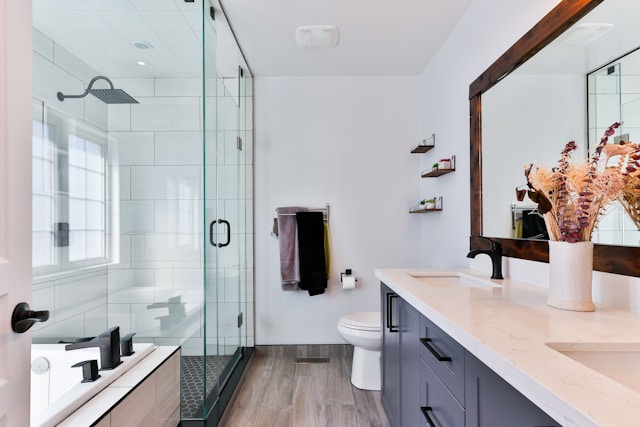
Efficient Bathroom Storage and Organization: Transforming Your Space into a Sanctuary

Bathrooms are among the most frequently used spaces in any home, yet they often fall victim to clutter and disorganization. From toiletries to towels, the sheer volume of items we store in our bathrooms can quickly lead to chaos. However, with a little planning and creativity, you can transform your bathroom into an organized and functional oasis. In this article, we will explore various strategies, tips, and tricks for effective bathroom storage and organization, ensuring that your space is both practical and aesthetically pleasing.

Understanding the Importance of Bathroom Organization

An organized bathroom is essential not only for efficiency but also for mental well-being. A cluttered space can lead to stress and frustration, especially during busy mornings when you’re rushing to get ready. On the other hand, a well-organized bathroom promotes tranquility, making it a space where you can unwind and rejuvenate.

Assessing Your Bathroom Space

Before diving into storage solutions, take the time to assess your bathroom. Consider its size, layout, and existing features. Identify areas that tend to accumulate clutter and think about how you currently use your space. This assessment will guide you in implementing the most effective organizational strategies.

Key Questions to Consider:

  1. What items do you frequently use?
  2. What can you eliminate or store elsewhere?
  3. Do you have enough storage solutions for your needs?

Maximize Vertical Space

One of the most effective ways to create more storage in a bathroom is by maximizing vertical space. When floor space is limited, looking up can make a significant difference.

1. Shelving Units

Install open shelving units on the walls to store towels, toiletries, and decorative items. This not only keeps items organized but also adds a stylish element to your bathroom. Consider using different materials like wood or metal to match your décor.

2. Hanging Organizers

Utilize hanging organizers that can be mounted on the back of cabinet doors or walls. These are perfect for holding smaller items like hair tools, brushes, and makeup products. Transparent pockets allow for easy visibility of contents, reducing the time spent searching for specific items.

3. Ladder Shelves

Consider incorporating a ladder shelf for a trendy and functional storage solution. These shelves can hold a variety of items, including plants, books, and decorative boxes, adding a personal touch to your bathroom décor.

Creative Under-Sink Storage Solutions

The area under the sink often becomes a dumping ground for cleaning supplies and extra toiletries. To optimize this space, consider the following solutions:

1. Pull-Out Bins

Use pull-out bins or drawers specifically designed for under-sink storage. These can help you organize cleaning supplies and personal items while keeping them out of sight. Bins on wheels make it easy to access items without having to kneel down.

2. Stackable Organizers

Stackable organizers can maximize vertical space under the sink. Use these to separate different categories of items, such as hair care, skin care, and cleaning supplies. This way, you’ll know exactly where everything is located, saving you time during your morning routine.

3. Use a Tension Rod

Install a tension rod inside the cabinet to hang spray bottles or cleaning supplies. This creates additional space and keeps your supplies easily accessible without cluttering the cabinet.

Utilize Wall Space Effectively

In addition to shelves and cabinets, there are many ways to make use of wall space in your bathroom.

1. Hooks and Racks

Incorporate hooks or racks to hold towels, robes, or accessories. Placing hooks near the shower or bathtub makes it easy to hang towels for quick access. Choose decorative hooks that match your bathroom theme for a cohesive look.

2. Magnetic Strips

Install magnetic strips on the wall or inside cabinet doors to hold metal grooming tools like scissors and tweezers. This keeps them organized and easily accessible while freeing up drawer space for other items.

3. Picture Frames

Consider repurposing old picture frames to create unique storage solutions. Use them to display jewelry or hair accessories by attaching mesh or wire to the back. This adds a personal touch while keeping items organized.

Declutter and Organize Countertops

Your bathroom countertop can quickly become cluttered with various products and tools. To maintain an organized appearance, consider these strategies:

1. Use Trays

Incorporate trays to corral frequently used items such as skincare products, perfumes, and makeup. This keeps everything in one place and creates a tidy, organized look on your countertop.

2. Clear Containers

Use clear containers or jars to store cotton balls, swabs, and other small items. This not only keeps them organized but also allows you to see what you have at a glance.

3. Limit Countertop Items

Practice the “less is more” approach by limiting the number of items on your countertop. Only keep daily essentials within reach, and store the rest in cabinets or drawers. This creates a more serene environment and simplifies cleaning.

Efficient Linen Storage

Towels and linens can take up significant space in a bathroom. Here are some ideas for efficient linen storage:

1. Baskets

Use decorative baskets to store rolled towels and washcloths. This adds a cozy touch to your bathroom while keeping items organized and easily accessible.

2. Towel Racks

Install a towel rack that can hold multiple towels. Choose a design that complements your bathroom décor, and consider adding hooks for additional towel storage.

3. Shelving Units for Linens

If space permits, incorporate a small shelving unit to store extra linens. This keeps them organized and easily accessible while providing a dedicated space for guests to find what they need.

Create a Cleaning Supply Station

Having a dedicated area for cleaning supplies ensures they are easily accessible when needed. Here’s how to create a cleaning supply station:

1. Caddies

Use caddies or portable bins to store cleaning supplies. This allows you to easily move them from room to room as needed. Label each caddy to indicate what supplies it contains for easy identification.

2. Hooks for Brooms and Mops

Incorporate hooks or wall-mounted storage for brooms, mops, and other cleaning tools. This keeps them off the floor and organized, making it easier to grab them when cleaning.

Seasonal and Guest Storage

It’s important to consider seasonal changes and the needs of guests when organizing your bathroom.

1. Seasonal Bins

Use labeled bins to store seasonal items like sunscreen, holiday-themed towels, or bath products. Rotate these bins as the seasons change to keep your bathroom organized year-round.

2. Guest Supplies

Designate a space for guest supplies, such as extra towels, toiletries, and a hairdryer. This ensures that guests feel welcome and have everything they need without cluttering your personal items.

Involve the Whole Family

Encouraging family members to participate in maintaining bathroom organization can help create a culture of cleanliness and order.

1. Assign Storage Spaces

Assign each family member their own storage space for personal items, such as toiletries and towels. This not only keeps things organized but also fosters a sense of responsibility for their belongings.

2. Regular Decluttering

Establish a routine for decluttering the bathroom, whether it’s a monthly or seasonal task. This will help prevent clutter from accumulating and keep the space organized.

Final Thoughts

An organized bathroom is not only functional but also enhances your overall quality of life. By implementing smart storage solutions and maintaining a clutter-free environment, you can transform your bathroom into a sanctuary where you can unwind and refresh. With a little creativity and effort, your bathroom can become a space that reflects your personal style while remaining practical and organized. Start today, and enjoy the benefits of a beautifully organized bathroom!

Personalizing Your Bathroom Design: Ideas for Every Style and Space

When it comes to home design, the bathroom is often overlooked. However, it plays a crucial role in our daily routines and offers an opportunity to blend practicality with personal style. With the right design, your bathroom can become much more than a functional space—it can be a reflection of your personality, a relaxing retreat, or even a statement of luxury.

In this article, we will explore how to personalize your bathroom design based on your style preferences, space limitations, and modern trends. Whether you’re working with a small guest bathroom or a spacious master bath, these ideas will help you transform your bathroom into a beautiful, functional oasis.

1. Designing for Small Spaces: Maximizing Every Inch

Small bathrooms often present unique challenges when it comes to design, but they can also be some of the most creative spaces in a home. The key to designing a small bathroom is maximizing space without sacrificing style or functionality.

Ideas for Small Bathroom Design:

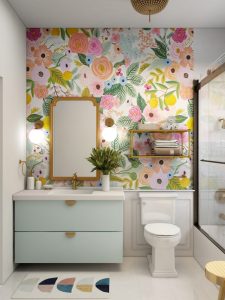
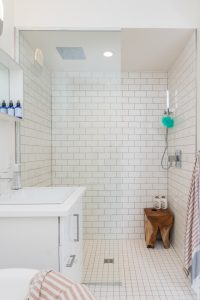
  • Opt for a Walk-in Shower: If your bathroom is tight on space, consider replacing a bathtub with a walk-in shower. Frameless glass doors or a clear shower curtain can make the room feel larger and more open. Choose sleek fixtures and light-colored tiles to enhance the sense of space.
  • Vertical Storage: In a small bathroom, floor space is limited, so think vertically. Install floating shelves or cabinets above the toilet, or consider a tall, narrow shelving unit that fits in unused corners. Open shelving can provide easy access to essentials while adding to the bathroom’s décor.
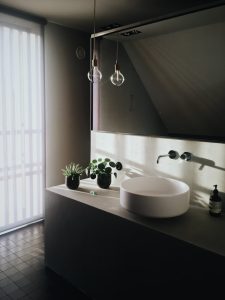
  • Mirrors and Lighting: A large mirror can make a small bathroom feel more spacious by reflecting light and creating the illusion of depth. Combine this with bright, natural light or well-placed artificial lighting to further open up the space. LED lights or sconces around the mirror provide even, flattering light for daily grooming routines.
  • Sliding Doors: Instead of a traditional swinging door that eats up valuable floor space, opt for a sliding barn door or a pocket door. This frees up room for additional storage or seating.

Design Tip for Small Spaces

To keep the bathroom from feeling cramped, avoid overly bold patterns or dark colors. Instead, opt for soft, neutral hues and minimalist fixtures that help maintain a clean, open feel.

2. A Touch of Luxury: Ideas for High-End Bathroom Design

If you’re looking to create a bathroom that feels like a personal retreat, luxury is all about comfort and high-quality materials. Designing a luxurious bathroom doesn’t always mean a large budget—it’s more about creating a space that feels indulgent.

Luxurious Design Elements:

  • Heated Floors: Adding underfloor heating is a practical and luxurious touch. This feature is particularly appealing in cold climates, turning your bathroom into a warm, inviting space.
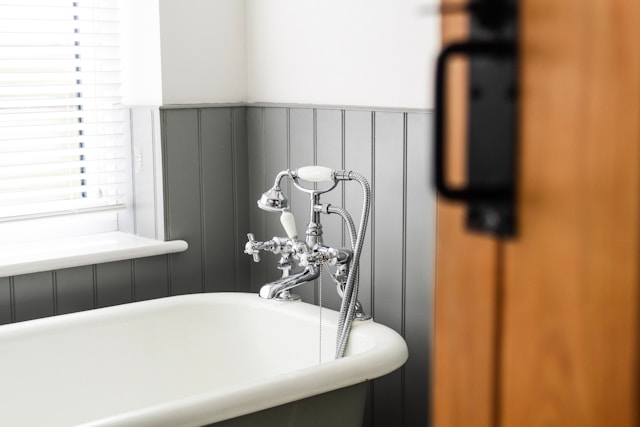
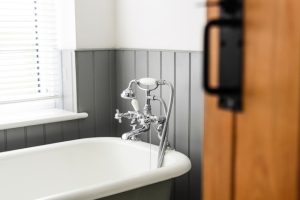
  • Freestanding Bathtubs: A freestanding tub is a statement piece that instantly elevates the design of your bathroom. Choose a sleek, modern design or go for a more classic clawfoot tub. Either way, it offers a spa-like experience for relaxing baths.
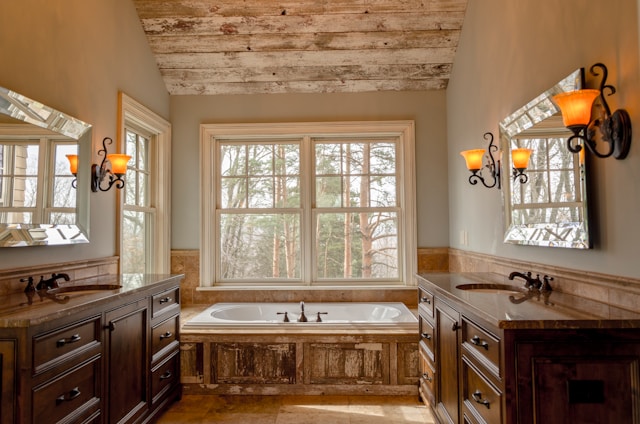
  • Marble and Stone Finishes: For a luxurious look, incorporate high-end materials like marble, granite, or travertine in the countertops, walls, or floors. These materials not only look elegant but are also durable and easy to maintain.
  • High-End Fixtures: Consider upgrading your faucets, showerheads, and cabinet handles with high-quality materials like brushed brass, gold, or matte black. These small touches can make a big impact on the overall aesthetic.

Lighting for Luxury

Luxury bathrooms often include layered lighting. Combine ambient lighting (such as chandeliers or ceiling lights) with task lighting around mirrors and accent lighting to highlight key features, such as artwork or architectural details.

3. Eco-Friendly Bathroom Design: Sustainability Meets Style

As more homeowners look to reduce their environmental footprint, eco-friendly bathroom designs are becoming increasingly popular. Sustainable bathroom design focuses on water conservation, energy efficiency, and using materials that have minimal environmental impact.

Ideas for Sustainable Bathroom Design:

  • Low-Flow Fixtures: Installing low-flow showerheads, faucets, and toilets can significantly reduce water usage. Dual-flush toilets allow for water conservation without sacrificing functionality.
  • Natural Materials: Incorporating natural, renewable materials like bamboo, cork, or reclaimed wood can give your bathroom a unique, eco-friendly edge. For countertops, consider recycled glass or concrete, both of which are sustainable alternatives to traditional stone.
  • Energy-Efficient Lighting: Swap out old incandescent bulbs for energy-efficient LED lighting. These lights consume less electricity and have a longer lifespan, reducing both energy costs and waste. Adding motion sensors for lights in bathrooms can further minimize unnecessary energy consumption.
  • Greywater Systems: If you want to take sustainability to the next level, consider installing a greywater recycling system. This system collects wastewater from sinks, showers, and baths to reuse for flushing toilets or watering plants.

Eco-Friendly Color Palettes

Opt for natural tones like earthy browns, soft greens, and light blues to give your bathroom a calming, environmentally conscious feel. Combine this with live plants, which not only look great but help purify the air.

4. Incorporating Technology: Smart Bathrooms for the Future

Smart technology has revolutionized every part of the home, and the bathroom is no exception. Incorporating smart technology into your bathroom can improve convenience, efficiency, and even your overall experience in the space.

Smart Bathroom Features:

  • Smart Showers: Imagine being able to control your shower’s water temperature, pressure, and spray settings through an app or voice command. Smart showers allow you to customize your shower experience to suit your preferences. Some models even offer pre-programmed settings for different users.
  • Smart Mirrors: These mirrors do more than just reflect your image—they can display the weather, play music, or provide lighting adjustments with the touch of a button. Some smart mirrors come with anti-fog technology and built-in LED lights for enhanced clarity.
  • Touchless Faucets: Common in public spaces, touchless faucets are making their way into residential bathrooms. These faucets conserve water by automatically turning off when not in use, and they also help reduce the spread of germs.
  • Smart Toilets: From heated seats to automatic flushing, smart toilets offer features that enhance comfort and hygiene. Some high-end models even include self-cleaning functions and deodorizers.

The Future of Bathroom Tech

As technology continues to evolve, bathrooms will become even more integrated with smart systems. For example, sensor-based ventilation systems and humidity controls can help maintain air quality and prevent mold growth.

5. Embracing Bold Designs: Creativity in the Bathroom

While many people prefer neutral or minimalist bathrooms, others see the bathroom as a space to embrace bold colors, patterns, and designs. If you’re looking for something unique, consider incorporating vibrant hues and statement-making fixtures.

Bold Bathroom Design Ideas:

  • Vibrant Colors: Don’t be afraid to go bold with color. A dark navy or emerald green accent wall can make a striking statement in an otherwise neutral bathroom. If you prefer smaller pops of color, introduce them through towels, rugs, or artwork.
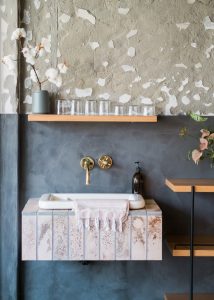
  • Patterned Tiles: Whether on the floor or the walls, patterned tiles are a fun way to inject personality into your bathroom. Geometric patterns, Moroccan-inspired designs, or even vintage-inspired floral tiles can add a bold, artistic touch.
  • Statement Lighting: A chandelier or oversized pendant light can be a stunning focal point in a bathroom. Whether you prefer modern, sleek designs or something more traditional, statement lighting can set the tone for the entire space.
  • Mixing Materials: Combining different materials, like wood, metal, glass, and stone, can create an eclectic yet cohesive look. For example, a wooden vanity paired with a stone countertop and brass fixtures offers a rich, textured appearance.

Design Tip for Bold Bathrooms

When working with bold colors and patterns, balance is key. Avoid overwhelming the space by keeping some elements simple and letting others stand out.

Conclusion: Find Your Bathroom Design Inspiration

Your bathroom design should reflect your personal style while being functional and comfortable. Whether you’re drawn to the minimalist look, high-end luxury, eco-friendly solutions, or bold, creative designs, there’s a world of possibilities to explore. With these ideas, you can transform your bathroom into a space that’s not only beautiful but perfectly tailored to your needs and lifestyle.

Eco-Friendly Bathrooms: Designing for a Greener Future

Sustainability has become a key focus in many aspects of home design, and the bathroom is no exception. More and more homeowners are seeking ways to reduce their environmental impact and live more eco-consciously. Creating an eco-friendly bathroom goes beyond just saving water—it involves making sustainable choices in energy use, material selection, and waste reduction. In this article, we’ll explore how to design a bathroom that’s not only functional and stylish but also contributes to a greener planet.

Water Conservation: Smart Fixtures and Habits

Bathrooms are the largest source of water consumption in most homes. Reducing water usage is the first step toward creating an eco-friendly space.

Low-Flow Showerheads and Faucets

One of the simplest ways to cut water use is to install low-flow fixtures. Modern low-flow showerheads can reduce water usage by up to 60%, without sacrificing water pressure. These devices aerate the water, providing the same shower experience with significantly less water. Similarly, low-flow faucets or faucet aerators can be fitted to sinks to save water.

Dual-Flush Toilets

A dual-flush toilet is another essential fixture for water conservation. Unlike traditional models that use the same amount of water for each flush, dual-flush toilets have two settings: one for liquid waste, which uses less water, and one for solid waste. This simple change can save thousands of gallons of water per year in an average household.

Greywater Systems

For those looking to go a step further, installing a greywater system can be an excellent investment. Greywater systems collect water from sinks, showers, and washing machines and reuse it for toilet flushing or irrigation. This significantly reduces fresh water usage, particularly in areas where water is scarce.

Energy Efficiency: Light, Heat, and Ventilation

Energy efficiency is another key aspect of eco-friendly bathroom design. With the right lighting, heating, and ventilation solutions, you can cut down on energy use and lower your carbon footprint.

LED Lighting

Replacing incandescent or halogen bulbs with LED lights is an easy way to make your bathroom more energy-efficient. LED bulbs use up to 80% less energy and last much longer, meaning they will need to be replaced less frequently. Opt for bulbs that are rated for damp conditions, as bathrooms can be humid.

Natural Lighting

Where possible, use natural light to illuminate your bathroom. Larger windows or strategically placed skylights can bring in ample daylight, reducing the need for artificial lighting during the day. Solar tubes, which funnel sunlight through a small, reflective tube into the room, are a great option for bathrooms where space or roof access is limited.

Energy-Efficient Heating

Underfloor heating is an efficient way to heat a bathroom without relying on energy-hungry space heaters. Heated floors warm the room evenly and use less energy compared to traditional heating methods. When installing underfloor heating, consider using a programmable thermostat to ensure it only runs when needed.

Eco-Friendly Ventilation

Good ventilation is essential in a bathroom to prevent mold and mildew, but running an electric exhaust fan constantly is wasteful. Consider installing energy-efficient fans that run on timers or are equipped with humidity sensors, so they only operate when necessary. Natural ventilation, such as operable windows, is an even better option for reducing energy consumption while maintaining air quality.

Sustainable Materials: Eco-Friendly Finishes and Fixtures

When designing an eco-friendly bathroom, it’s essential to consider the materials you use. Sustainable, durable, and non-toxic materials help reduce environmental impact and create a healthier indoor environment.

Recycled and Reclaimed Materials

Using recycled materials for countertops, tiles, and even flooring is an excellent way to cut down on resource consumption. Recycled glass tiles or countertops made from reclaimed wood or stone can add character to your bathroom while being eco-conscious.

Bamboo and Cork Flooring

For bathroom flooring, consider bamboo or cork. Bamboo grows incredibly fast, making it a highly renewable material. It’s also durable and water-resistant, making it a suitable choice for bathrooms. Cork, harvested from the bark of cork oak trees without damaging the tree itself, is another renewable material. It’s naturally mold-resistant, insulating, and comfortable underfoot, making it perfect for bathrooms.

VOC-Free Paints and Finishes

Many paints, sealants, and finishes contain volatile organic compounds (VOCs), which can off-gas harmful chemicals into your home. Choose VOC-free or low-VOC paints and finishes to ensure better air quality. This is especially important in bathrooms, where humidity can exacerbate the release of VOCs.

Water-Saving Fixtures

Beyond low-flow options, consider water-saving bathtubs and sinks. Bathtubs with sloped designs that hold less water can provide a luxurious bath experience without the excessive water use. Similarly, compact or shallow sinks can reduce the amount of water used when washing hands or brushing teeth.

Reducing Waste: Reusability and Recycling

An eco-friendly bathroom is also about minimizing waste, whether it’s the waste generated by construction or everyday use.

Durable, Long-Lasting Products

Investing in durable products that last longer reduces the need for frequent replacements, which in turn reduces waste. Look for high-quality fixtures and materials that will stand the test of time. Stainless steel or ceramic fixtures, for example, are more likely to last longer than plastic alternatives, which often wear down or discolor over time.

Recycled and Biodegradable Bathroom Products

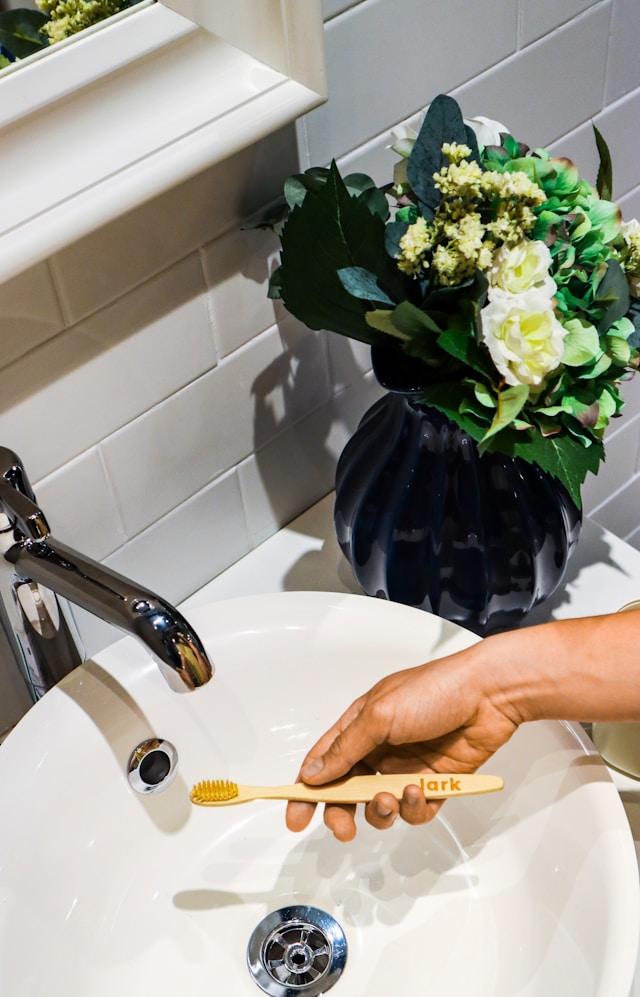
Consider switching to bathroom products made from recycled or biodegradable materials. Recycled toilet paper, bamboo toothbrushes, and biodegradable soaps and shampoos are small changes that can add up over time. Additionally, opt for packaging-free or minimal-packaging options where possible.

Towel and Textile Choices

When it comes to towels, bath mats, and shower curtains, choose organic cotton, bamboo, or other sustainable fabrics. These materials are grown without harmful pesticides and are often more biodegradable than synthetic options. Towels made from organic cotton or bamboo are soft, absorbent, and more environmentally friendly than those made from conventional cotton or synthetic fibers.

Zero-Waste Personal Care Products

Finally, shift toward zero-waste personal care products. Bar soaps, shampoo bars, and lotion bars eliminate the need for plastic bottles, which contribute to landfills and ocean pollution. Additionally, refillable containers for liquid products help reduce single-use plastic waste.

Plants and Natural Decor

Plants not only beautify a bathroom but also improve indoor air quality. Certain plants, such as aloe vera, spider plants, and peace lilies, are particularly effective at filtering pollutants from the air while thriving in the humid conditions of a bathroom.

Indoor Plants for Humidity Control

Plants like ferns and pothos thrive in humid environments and can naturally help regulate moisture levels in the air, reducing the need for artificial dehumidifiers. Including plants in your eco-friendly bathroom adds a natural touch and enhances the overall health of the space.

Sustainable Decor Choices

When it comes to decor, choose items made from natural, renewable materials. Wooden accessories, ceramic soap dishes, and cotton shower curtains can all add to the aesthetic of your bathroom without contributing to environmental degradation. Reclaimed wood shelving or upcycled furniture pieces are also excellent choices for storage and decoration.

Creating a Relaxing and Eco-Friendly Atmosphere

An eco-friendly bathroom doesn’t have to sacrifice luxury or comfort. By focusing on sustainability, you can create a bathroom that is both relaxing and environmentally conscious.

Essential Oils and Aromatherapy

Opt for essential oils and diffusers made from sustainable materials to add a calming scent to your bathroom. Aromatherapy can transform your bathroom into a spa-like retreat while staying eco-friendly. Choose oils such as lavender, eucalyptus, or peppermint for a fresh, natural aroma that is free from artificial chemicals.

Natural Textures and Tones

Using natural textures and tones in your bathroom design—such as wood, stone, or earthy colors—can create a soothing atmosphere. These materials, when sustainably sourced, align with eco-friendly principles while providing a grounding, tranquil environment.

Mindful Water Usage for Relaxation

While eco-friendly practices emphasize water conservation, you can still enjoy luxurious moments, like a relaxing bath. The key is moderation—limit the frequency and duration of water-heavy activities to stay eco-conscious without losing the sense of relaxation.

Conclusion

Designing an eco-friendly bathroom is a holistic process that involves conscious choices in water conservation, energy use, material selection, and waste reduction. By prioritizing sustainability in your bathroom, you’re contributing to a healthier planet and a more efficient, enjoyable living space. With eco-friendly fixtures, energy-efficient solutions, and sustainable materials, you can create a beautiful and functional bathroom that’s kinder to the environment.

Eco-Friendly Bathrooms: Sustainable Living Begins at Home

As the world becomes increasingly aware of the need to adopt more sustainable practices, the focus has shifted from large-scale industrial changes to the small, everyday decisions we make at home. One of the areas where sustainability can have the most impact is in bathroom design. From reducing water consumption to incorporating eco-friendly materials, creating an eco-friendly bathroom not only benefits the environment but also enhances the quality of life for the homeowners. This article will explore various strategies for designing a bathroom that’s not only beautiful but also kind to the planet.

Choosing Water-Saving Fixtures

One of the key elements of an eco-friendly bathroom is water conservation. Considering the amount of water used in a typical bathroom, this is an ideal place to start when thinking about sustainability.

Low-Flow Toilets and Faucets

Low-flow fixtures, including toilets, faucets, and showerheads, are designed to use significantly less water than traditional models. Modern low-flow toilets use about 1.28 gallons per flush compared to older models that can use 3.5 gallons or more. This simple switch can lead to substantial water savings over time. Dual-flush toilets, which offer two flush options depending on the type of waste, are another water-efficient solution.

For faucets, aerators can be added to reduce water flow without compromising water pressure. This allows for a more sustainable use of water during handwashing, brushing teeth, or face cleansing. Combined, these water-saving fixtures can significantly reduce the overall water footprint of a household.

Water-Efficient Showers

Another critical area for water conservation is the shower. Traditional showerheads use a large amount of water, but opting for water-efficient versions can cut this usage by nearly half. For example, a standard showerhead may use around 2.5 gallons per minute, while a low-flow showerhead can reduce that to 1.5 gallons per minute without sacrificing the quality of the shower experience.

Energy Efficiency in Bathroom Design

While water conservation is often the first thing that comes to mind when thinking about eco-friendly bathrooms, energy efficiency is another important factor. Lighting, heating, and ventilation systems all contribute to the environmental impact of the space.

Energy-Efficient Lighting

LED lighting is an excellent choice for eco-friendly bathrooms. Not only do LED bulbs use significantly less energy than incandescent or fluorescent options, but they also last longer, which reduces waste and the need for frequent replacements. LED lights can be used for overhead lighting, vanity lighting, or even in the shower area, offering a bright, energy-efficient solution.

Installing dimmer switches can also help reduce energy use by allowing homeowners to adjust the brightness of the bathroom lighting based on their needs. Additionally, maximizing natural light through the use of large windows or skylights can reduce the need for artificial lighting during the day, cutting down on electricity consumption.

Efficient Water Heating

Water heating is one of the most energy-intensive processes in the home. In an eco-friendly bathroom, opting for a tankless water heater or an energy-efficient hot water system can significantly reduce energy consumption. Tankless water heaters provide hot water on demand, meaning they don’t use energy to keep water hot throughout the day like traditional storage tank heaters do. This makes them both more efficient and cost-effective in the long run.

For those looking to take sustainability a step further, solar water heaters can be an excellent option. These systems use energy from the sun to heat water, greatly reducing reliance on fossil fuels and lowering the home’s carbon footprint.

Sustainable Materials for an Eco-Friendly Bathroom

The materials used in bathroom construction and design play a crucial role in its environmental impact. Choosing sustainable, non-toxic, and renewable materials can make a big difference in the long-term sustainability of the bathroom.

Recycled and Natural Materials

When it comes to flooring, wall tiles, and countertops, using recycled materials is a great way to reduce the environmental impact of the bathroom. For instance, recycled glass tiles or countertops made from reclaimed wood offer an eco-friendly option without sacrificing style. These materials not only repurpose waste but also add a unique aesthetic to the bathroom.

Bamboo is another popular choice for eco-friendly bathroom design. As one of the fastest-growing plants on the planet, bamboo is a highly renewable resource. It can be used for everything from flooring to furniture, and its durability makes it perfect for bathroom environments where moisture is often present.

Cork is another renewable material that’s perfect for bathroom flooring. It’s harvested from the bark of cork trees, which regenerate after harvesting, making it a sustainable option. Cork is also naturally resistant to moisture and mold, making it an ideal choice for bathroom spaces.

Eco-Friendly Paints and Finishes

The finishes used in a bathroom can also have a significant impact on indoor air quality. Many conventional paints and finishes contain volatile organic compounds (VOCs), which release harmful chemicals into the air over time. These VOCs can contribute to indoor air pollution and may cause health issues, particularly in small spaces like bathrooms where ventilation can be limited.

To create a healthier and more eco-friendly bathroom, choose low-VOC or zero-VOC paints and finishes. These products are designed to release fewer chemicals into the air, making them a safer and more sustainable choice for homeowners.

Reducing Waste in the Bathroom

An eco-friendly bathroom isn’t just about construction materials and water use—it’s also about reducing waste in day-to-day life. By making conscious choices about the products used in the bathroom, it’s possible to create a more sustainable space that generates less waste over time.

Reusable and Recyclable Products

In recent years, there has been a growing movement toward zero-waste living, and the bathroom is a key area where changes can be made. For instance, switching to reusable items like cloth towels instead of paper ones, or using refillable soap dispensers instead of single-use plastic bottles, can drastically cut down on the amount of waste generated in the bathroom.

Additionally, many brands now offer recyclable or biodegradable personal care products, such as toothbrushes made from bamboo or packaging-free shampoo bars. Opting for products with minimal or eco-friendly packaging reduces plastic waste and helps create a more sustainable bathroom environment.

Composting Toiletries

Composting isn’t just for the kitchen. Many bathroom waste products, such as tissues, cotton swabs, and even some types of toilet paper, can be composted. By setting up a small bathroom compost bin, homeowners can reduce the amount of waste that ends up in landfills and create nutrient-rich compost for gardens and plants.

Air Quality and Greenery

Incorporating greenery into bathroom design is a great way to improve air quality while adding a touch of natural beauty to the space. Many indoor plants are excellent at filtering out toxins from the air, making them a valuable addition to an eco-friendly bathroom.

Choosing the Right Plants

Certain plants thrive in the humid conditions of a bathroom, making them the perfect choice for eco-friendly design. Ferns, for example, are excellent at absorbing moisture from the air and thrive in humid environments. Similarly, spider plants and peace lilies are known for their air-purifying qualities and can help reduce indoor pollution.

These plants not only improve air quality but also add an element of nature to the bathroom, creating a more tranquil and spa-like environment.

Final Thoughts

Designing an eco-friendly bathroom is about making conscious choices that reduce environmental impact while creating a functional and aesthetically pleasing space. From water-saving fixtures and energy-efficient lighting to sustainable materials and waste reduction, there are numerous ways to make a bathroom more eco-friendly. Not only does this benefit the planet, but it also creates a healthier and more enjoyable space for the people who use it.

Whether you’re planning a full bathroom renovation or just looking for small changes to make your existing space more sustainable, incorporating eco-friendly principles into your bathroom design is a rewarding and impactful choice that pays off in the long term. By thinking about water conservation, energy use, sustainable materials, and waste reduction, you can transform your bathroom into a model of eco-conscious living.

The Ultimate Guide to Creating Eco-Friendly Bathrooms

In the era of increasing environmental awareness, sustainability has become a major consideration for homeowners. One of the most effective areas to embrace eco-friendly living is in the bathroom. Eco-friendly bathrooms offer more than just energy and water savings; they promote a healthier home environment and contribute to global efforts to preserve natural resources. This guide will walk you through various strategies, from water conservation to sustainable materials, that can transform your bathroom into an environmentally friendly oasis.

1. Understanding the Importance of Eco-Friendly Bathrooms

The bathroom is one of the most resource-intensive rooms in any household. From daily showers and baths to frequent use of taps and toilets, water consumption can be high. Additionally, traditional bathroom designs often rely on unsustainable materials and energy-wasting fixtures, contributing to environmental degradation.

By designing an eco-friendly bathroom, you’re not only reducing water and energy usage but also making a conscious decision to minimize waste, pollution, and your overall carbon footprint. The changes you make in your bathroom today can have a long-term positive impact on the environment while reducing your utility bills.

2. Water Conservation: The Heart of Sustainable Bathrooms

Water conservation should be the cornerstone of any eco-friendly bathroom design. Most conventional bathrooms waste water unnecessarily, but small adjustments can make a big difference.

  • Low-Flow Fixtures: One of the simplest ways to save water is by installing low-flow fixtures. Low-flow showerheads, faucets, and toilets use significantly less water than their traditional counterparts without sacrificing performance. For instance, a typical low-flow showerhead uses about 2 gallons per minute, compared to older models that use up to 5 gallons.
  • Dual-Flush Toilets: These toilets are a game-changer for water conservation. With two flush options—one for liquid waste and a more powerful one for solid waste—dual-flush toilets allow homeowners to control how much water is used per flush. This small change can save thousands of gallons of water annually.
  • Greywater Systems: For those looking to take water conservation a step further, consider installing a greywater system. Greywater systems reuse water from sinks, showers, and washing machines for purposes like flushing toilets or irrigating gardens. This system significantly reduces the amount of clean water wasted in the home.

3. Energy Efficiency: Beyond Just Water

Saving water is only part of the eco-friendly equation. Energy efficiency plays a crucial role in reducing a bathroom’s environmental impact. By focusing on reducing energy consumption, you can minimize the carbon footprint of your household.

  • Efficient Water Heaters: Traditional water heaters continuously use energy to keep water hot, even when not in use. Consider replacing them with tankless water heaters, which heat water on demand. This upgrade can result in significant energy savings by eliminating standby heat loss.
  • LED Lighting: Replace outdated incandescent bulbs with LED lighting, which consumes up to 80% less energy and lasts significantly longer. LEDs are ideal for vanity lighting, overhead fixtures, and accent lights. Additionally, consider adding motion-sensor lights in bathrooms to avoid unnecessary energy consumption when the room is not in use.
  • Natural Light: Designing a bathroom with large windows or skylights can help maximize natural light, reducing the need for artificial lighting during the day. Not only does this save electricity, but it also enhances the ambiance of the space, making it feel more open and inviting.
  • Radiant Floor Heating: For an eco-friendly heating solution, consider radiant floor heating. These systems use heated water or electric coils beneath the floor to warm up the space, reducing the need for traditional HVAC systems. Radiant heat is more efficient because it directly warms the room and is less likely to escape, unlike forced-air systems.

4. Sustainable Materials: A Greener Approach to Design

An essential component of an eco-friendly bathroom is the use of sustainable materials. The production and disposal of materials like plastic, non-renewable wood, and synthetic surfaces contribute heavily to pollution. By opting for sustainable alternatives, you can create a stylish bathroom with a much smaller environmental impact.

  • Recycled and Reclaimed Materials: When choosing materials for countertops, flooring, or cabinetry, opt for recycled or reclaimed options. Recycled glass countertops are a stunning and sustainable choice, offering unique patterns and colors. Similarly, reclaimed wood can be used for vanities, shelving, or accent walls, adding warmth and character to the space.
  • Bamboo and Cork Flooring: These are two of the most eco-friendly flooring materials on the market. Bamboo grows rapidly, making it highly renewable. It’s also water-resistant and durable, making it ideal for bathrooms. Cork, harvested from the bark of cork trees without harming the trees, is another excellent sustainable flooring option. It’s naturally resistant to mold and mildew, and its soft texture makes it comfortable to walk on.
  • Low-VOC Paints: Traditional paints release volatile organic compounds (VOCs), which contribute to indoor air pollution and harm the environment. Low-VOC or zero-VOC paints provide a healthier alternative, ensuring better indoor air quality without sacrificing color and finish.

5. Eco-Friendly Fixtures and Accessories

The final touches of your bathroom can make all the difference when it comes to eco-friendliness. Opting for sustainable fixtures and accessories allows you to stay consistent with your environmental goals.

  • Water-Saving Faucets and Aerators: Many modern faucets come equipped with aerators that mix air into the water flow, reducing water usage while maintaining water pressure. These small additions are inexpensive and can be installed easily on most faucets.
  • Eco-Friendly Toiletries and Towels: Consider stocking your bathroom with eco-friendly toiletries, such as biodegradable soap, shampoos with natural ingredients, and reusable or biodegradable sponges. Organic cotton or bamboo towels are also a great alternative to conventional towels, which are often made with chemical dyes and pesticides.
  • Sustainable Storage Solutions: Using storage solutions made from recycled or sustainable materials is another way to maintain an eco-friendly focus. Bamboo shelving, upcycled baskets, and reclaimed wood cabinets are stylish, sustainable options that help reduce the demand for new materials.

6. Reducing Waste in the Bathroom

An often-overlooked aspect of eco-friendly bathroom design is reducing the amount of waste generated. The bathroom is a prime location for plastic waste, from shampoo bottles to single-use products. By making more mindful choices, you can reduce the overall waste produced in your household.

  • Refillable Containers: Instead of buying new bottles of soap, shampoo, and other toiletries, consider using refillable containers. Many companies now offer bulk refills for their products, allowing you to reuse your containers instead of discarding them.
  • Minimizing Single-Use Items: Where possible, reduce the use of disposable items like razors, cotton pads, and makeup wipes. Switch to reusable alternatives, such as safety razors, reusable cotton rounds, and washable facecloths. These small changes can drastically reduce the amount of waste generated over time.
  • Recycling: Install a small recycling bin in your bathroom to encourage the recycling of packaging and plastic containers. Many people overlook the fact that bathroom waste is often recyclable, including shampoo bottles, toothpaste tubes, and cardboard packaging.

7. Long-Term Benefits of an Eco-Friendly Bathroom

While designing an eco-friendly bathroom may require an initial investment, the long-term benefits far outweigh the costs. Eco-friendly upgrades, such as water-saving fixtures and energy-efficient appliances, lead to substantial savings on utility bills over time. Additionally, sustainable materials tend to be more durable, reducing the need for repairs and replacements in the future.

Moreover, creating an eco-friendly bathroom can increase the value of your home. As more homebuyers seek environmentally conscious properties, having a green bathroom can make your home stand out in the real estate market. Not only does this add to the resale value, but it also makes your home more appealing to the growing demographic of eco-conscious buyers.

Conclusion: A Healthier and More Sustainable Future

Designing an eco-friendly bathroom is about making conscious decisions that benefit both you and the environment. From conserving water and energy to choosing sustainable materials and reducing waste, every aspect of an eco-friendly bathroom contributes to a healthier planet.

As the world moves towards more sustainable living, incorporating eco-friendly elements into your home—starting with the bathroom—can significantly reduce your environmental impact. By embracing these ideas, you’re not only creating a functional and stylish space but also contributing to the well-being of the planet for future generations.

Innovative Bathroom Design Ideas for Modern Living

When it comes to home design, the bathroom is often a space where functionality tends to take precedence over aesthetics. However, in recent years, the approach to bathroom design has evolved, transforming these spaces into personal retreats that blend utility with beauty. Creating a stylish, comfortable, and highly functional bathroom is now a priority for many homeowners, and the variety of modern design ideas available offers plenty of opportunities to do just that. Whether you’re renovating or designing from scratch, this article will explore innovative bathroom design ideas that cater to modern living.

To get started, let’s look at some fundamental aspects of bathroom design, from space optimization to choosing the right fixtures and fittings, as well as unique elements that can make a bathroom stand out.

1. Space Optimization and Layout Planning

One of the biggest challenges in bathroom design is making the most of the available space, especially in smaller homes or urban apartments. Efficient layout planning is crucial to ensuring that all the necessary features are included while maintaining a spacious and airy feel.

Start by assessing the size of your bathroom and the key elements that need to fit within it, such as the toilet, shower, sink, and storage. Consider a minimalist layout where fixtures are streamlined, and clutter is minimized. Opt for space-saving solutions like wall-mounted vanities, floating shelves, and recessed storage to free up floor space. For example, a floating vanity can create the illusion of a larger bathroom, while recessed niches in the shower offer a practical way to store toiletries without adding bulky cabinets.

If your bathroom is small, consider using sliding or pocket doors instead of traditional hinged doors, which can take up valuable space. In larger bathrooms, zoning different areas can enhance both functionality and aesthetics. For instance, placing the bath in a corner with a freestanding tub as a focal point can give the space a luxurious, spa-like vibe.

2. Modern Fixtures and Fittings

The choice of fixtures can have a significant impact on the overall look and functionality of your bathroom. Modern bathroom fixtures are designed with both elegance and efficiency in mind, often incorporating eco-friendly features that help reduce water usage without sacrificing performance.

One trend that has gained popularity is the use of wall-mounted faucets and toilets. These not only look sleek and modern but also make cleaning easier by reducing clutter on the floor and countertops. In terms of shower options, walk-in showers with frameless glass enclosures are a stylish choice, offering a clean and open feel. For those looking for luxury, a rain shower head or multi-jet system can elevate the showering experience, turning a daily routine into a relaxing ritual.

Freestanding bathtubs, available in a variety of shapes and materials, are another design statement that adds both elegance and comfort to the bathroom. Whether you prefer a classic clawfoot tub or a more contemporary oval design, freestanding tubs can become the centerpiece of your bathroom.

Modern bathrooms also benefit from smart technology integration. Touchless faucets, motion-sensor lighting, and heated floors are just a few examples of innovations that make life more convenient and luxurious. These elements not only enhance the user experience but also contribute to a more energy-efficient home.

3. The Importance of Lighting in Bathroom Design

Lighting is often overlooked in bathroom design, but it plays a crucial role in creating the right atmosphere and ensuring functionality. A well-lit bathroom enhances visibility, making it easier to perform tasks such as shaving, applying makeup, or simply relaxing after a long day.

Start by incorporating natural light wherever possible. Large windows or skylights allow sunlight to flood the room, creating a bright and welcoming space. If privacy is a concern, consider using frosted glass or window coverings that let in light while still providing seclusion.

In terms of artificial lighting, layering is key. Combine overhead lighting with task lighting around the vanity for a balanced and functional setup. Recessed lighting works well for general illumination, while wall sconces or pendant lights near the mirror provide the focused light needed for grooming. Dimmer switches are another great addition, allowing you to adjust the lighting depending on the time of day or the mood you wish to create.

For a touch of luxury, consider adding accent lighting in unexpected places. LED strips under floating vanities or around mirrors can create a soft glow, while niche lighting in the shower adds depth and drama.

4. Playing with Colors and Textures

While white or neutral tones are the traditional go-to for bathroom design, modern bathrooms are embracing bolder colors and textures to create a more personalized and dynamic space. Don’t be afraid to experiment with color palettes that reflect your personality or the mood you want to evoke.

If you’re looking to create a serene, spa-like environment, consider soft blues, greens, or earthy tones, paired with natural materials like wood and stone. On the other hand, if you prefer a more dramatic look, deep jewel tones like emerald green or navy blue can add richness to the space, especially when paired with metallic accents like brass or copper.

Textures also play an important role in adding visual interest to bathroom design. Incorporating different materials like textured tiles, smooth marble countertops, and wooden cabinetry creates contrast and depth. For instance, using subway tiles with a glossy finish on the walls, combined with a matte concrete floor, can give the room a modern industrial feel.

Patterned tiles, whether used for flooring or as an accent wall, are another popular way to introduce texture and personality. Moroccan or geometric patterns can add an exotic or contemporary flair, while simple hexagonal tiles offer a modern twist on a classic look.

5. Green Bathrooms: Sustainability and Eco-Friendly Choices

Sustainability is a growing concern in home design, and bathrooms are no exception. Incorporating eco-friendly materials and energy-efficient fixtures into your bathroom not only helps reduce your carbon footprint but can also lower utility bills and create a healthier living environment.

One of the simplest ways to make your bathroom more sustainable is by installing low-flow toilets, faucets, and showerheads. These water-saving devices use significantly less water than traditional fixtures without compromising on performance. Dual-flush toilets are another option, allowing you to select different flush volumes depending on the need.

In terms of materials, opt for sustainable choices like bamboo for cabinetry or flooring, recycled glass for countertops, or eco-friendly tiles made from recycled materials. Paints with low or zero VOC (volatile organic compounds) are another eco-friendly option that reduces harmful emissions and improves indoor air quality.

For those interested in long-term energy savings, consider installing radiant floor heating. While the initial installation cost may be higher, radiant heating is more energy-efficient than traditional heating methods, providing consistent warmth while using less energy.

6. Personal Touches and Customization

A bathroom, like any other room in your home, should reflect your personal style and taste. Customization is key to creating a space that feels unique and inviting. Start by considering your preferences in terms of design aesthetic. Do you prefer a minimalist look with clean lines and neutral colors, or are you drawn to bold patterns and vibrant hues?

Once you’ve established the overall vibe, think about adding personalized touches through accessories and décor. Art prints, plants, and even decorative mirrors can enhance the aesthetic and make the space feel more cohesive. Additionally, customized cabinetry or unique hardware choices can add a sense of exclusivity and refinement to the design.

Don’t be afraid to experiment with unique design elements that set your bathroom apart. A statement chandelier, for example, can add a touch of glamour, while a vintage vanity can provide charm and character. The key is to balance functionality with personal flair, ensuring that the bathroom not only looks beautiful but also meets your day-to-day needs.

Conclusion

Bathroom design has come a long way from simply being a utilitarian space. Today, it offers an opportunity to create a personal oasis that combines comfort, style, and functionality. By focusing on smart layouts, modern fixtures, thoughtful lighting, creative use of colors and textures, sustainability, and personalized touches, you can transform your bathroom into a space that not only meets your practical needs but also enhances your quality of life.

Whether your goal is to create a minimalist retreat or a luxurious spa-like sanctuary, the possibilities are endless when it comes to bathroom design. The key is to think beyond traditional notions of what a bathroom should be and embrace the potential for creativity and innovation.

Efficient Bathroom Storage & Organization: Practical Tips for a Clutter-Free Space

The bathroom is one of the most frequently used spaces in a home, and without effective storage solutions, it can quickly become cluttered. Proper bathroom storage and organization not only make the space more functional but also elevate its overall aesthetic. Whether you’re working with a small powder room or a spacious master bathroom, there are numerous ways to keep everything in order. In this article, we’ll explore various storage solutions and organization tips to help transform your bathroom into a clutter-free sanctuary.

Evaluate Your Current Setup

Before diving into new storage solutions, it’s essential to take a step back and assess your current bathroom setup. What items do you use daily? What products are taking up unnecessary space? By identifying the essentials and decluttering the non-essentials, you’ll be better positioned to find the most appropriate storage solutions for your bathroom.

Start with Decluttering

The first step in organizing any space is decluttering. Go through your bathroom cabinets, drawers, and countertops and remove any expired products, duplicates, or items you no longer use. This will instantly create more space and make organizing much easier. Once you’ve decluttered, categorize the remaining items into groups—such as skincare, haircare, toiletries, and cleaning supplies. This will help you visualize how much storage you need for each category.

Optimize Vertical Space

In many bathrooms, floor space is limited, but the walls provide valuable vertical space that can be used for storage. Here are several ways to make the most of your bathroom’s vertical areas:

Wall-Mounted Shelves

Wall-mounted shelves are a simple and effective way to add storage without taking up any floor space. You can install shelves above the toilet, next to the vanity, or in an unused corner. These shelves are perfect for storing items like towels, decorative pieces, or baskets filled with toiletries. Opt for floating shelves for a modern look, or choose wood shelves to add warmth and texture to the space.

Over-the-Door Storage

Another vertical storage solution is to use the back of the bathroom door. Over-the-door organizers, which can come in the form of racks, baskets, or hooks, offer a place to store towels, bathrobes, or extra toiletries. This space is often underutilized and provides a practical yet out-of-sight option for storing items you need easy access to.

Ladder Storage

For a stylish and functional storage option, consider adding a leaning ladder to your bathroom. Leaning ladders can hold towels, baskets, or even plants, and they don’t require any permanent installation. This makes them ideal for renters or those who want a flexible storage option that can be moved around as needed.

Maximize Under-Sink Storage

The space under the sink can be a goldmine for storage, but it’s often left messy and unorganized. With the right tools, you can turn this space into a neat, functional area.

Stackable Bins

Stackable bins or drawers are perfect for under-sink storage. These bins help make the most of vertical space and keep everything from cleaning supplies to extra toilet paper organized. Choose clear bins so you can easily see the contents, or label them to further streamline the organization process.

Pull-Out Drawers

For deep cabinets, consider installing pull-out drawers or trays. These make it easier to access items at the back of the cabinet without having to dig through everything. Pull-out drawers are especially useful for storing bulkier items like hair tools, cleaning products, or skincare items.

Cabinet Door Organizers

Make use of the inside of cabinet doors by adding small organizers or hooks. These can hold items like hairbrushes, makeup, or even cleaning products. This simple addition can drastically improve the functionality of your under-sink space.

Utilize the Vanity for Maximum Storage

The bathroom vanity is often the focal point of the room and typically offers a fair amount of storage. However, it can quickly become cluttered if not organized properly. Here are a few tips to keep your vanity neat and functional:

Drawer Organizers

If your vanity has drawers, invest in drawer organizers or dividers. These keep smaller items like makeup, razors, and hair accessories separated and easily accessible. Adjustable dividers allow you to customize the space based on your specific needs, ensuring that everything has its designated spot.

Countertop Trays

If you prefer to keep certain items on the vanity countertop, such as your daily skincare products or perfumes, use a tray to keep them organized. Grouping items on a tray not only reduces visual clutter but also makes it easier to clean the countertop. Opt for a sleek acrylic tray for a modern look or a marble tray for a touch of luxury.

Vanity Cabinets

If your vanity has cabinet space, consider using baskets or bins to keep the inside of the cabinet organized. This can help prevent the area from becoming a jumbled mess of products. Baskets make it easy to pull out and access items, and they also keep things like towels, extra toilet paper, or large bottles neatly stored.

Smart Shower and Bathtub Storage

The shower and bathtub area is another place where clutter can quickly accumulate, especially with multiple bottles of shampoo, conditioner, body wash, and other products. To keep this area organized, consider the following solutions:

Shower Caddies

Shower caddies are an essential storage tool for keeping shower products off the floor and within reach. Choose a caddy that fits over the showerhead or one that adheres to the wall with suction cups. These caddies typically have shelves or baskets to hold bottles, razors, and soap, keeping the shower area clean and organized.

Built-In Shower Niches

For a more permanent solution, consider adding a built-in shower niche during a bathroom remodel. Niches are recessed into the wall and provide a sleek, space-saving solution for holding bath products. They keep everything neatly contained and within easy reach without taking up any extra room in the shower.

Bathtub Trays

If you have a bathtub, a bathtub tray can be a stylish and functional storage option. These trays sit across the top of the tub and can hold items like candles, bath salts, or a book, creating a spa-like atmosphere while keeping everything you need within arm’s reach.

Multi-Functional Storage Furniture

For bathrooms that need extra storage, consider investing in multi-functional furniture that can double as both storage and decor.

Storage Benches

A storage bench is an excellent option for larger bathrooms. These benches can serve as a place to sit while you get ready, and the hidden storage inside can hold towels, extra toiletries, or cleaning supplies. Look for a bench with a cushioned top for added comfort.

Mirrored Medicine Cabinets

Mirrored medicine cabinets are a classic storage solution that combines functionality with style. These cabinets provide hidden storage for items like medications, first-aid supplies, and skincare products while also serving as a mirror. Medicine cabinets help keep countertops clear and organized.

Keeping Towels Neat and Accessible

Towels are a bathroom essential, and finding the right storage solution for them is key to keeping the space tidy.

Towel Racks and Bars

Install towel racks or bars to keep towels neatly hung and easily accessible. Mounting multiple towel bars vertically or next to each other can maximize wall space and provide room for all family members’ towels. Alternatively, opt for a towel rack that stands on its own if wall space is limited.

Towel Baskets

For a more relaxed and decorative storage solution, consider using baskets to store towels. Place a large basket near the bathtub or shower to hold rolled-up towels, giving the room a spa-like feel. Baskets can also be used to store other items, like extra toilet paper or toiletries, and they can easily be moved around as needed.

Organization for Small Bathrooms

Smaller bathrooms may require more creativity when it comes to storage and organization, but there are still plenty of options to make the most of limited space.

Over-the-Toilet Shelving

Install shelves or a storage unit above the toilet to maximize wall space. These units provide storage for items like towels, extra toilet paper, or decorative accessories without taking up valuable floor space. Choose a unit with open shelves for a more casual look or a cabinet with doors to hide away clutter.

Corner Shelves

Utilize the corners of your bathroom by installing corner shelves. These are perfect for storing smaller items like toiletries, decorative pieces, or even a small plant. Corner shelves take advantage of otherwise unused space and can help keep countertops clear.

Hanging Baskets

Hanging baskets on the wall or the back of the door is another clever way to add storage in a small bathroom. These baskets can hold anything from toiletries to hand towels, and they free up valuable counter and cabinet space.

Conclusion

Organizing your bathroom doesn’t have to be overwhelming. With a thoughtful approach and the right storage solutions, you can create a space that is both functional and visually appealing. By maximizing vertical space, making use of under-sink areas, and incorporating multi-functional storage pieces, you can transform your bathroom into an organized and serene oasis. Whether you’re dealing with a small or large bathroom, there’s always a way to keep clutter at bay and make the space work for you.

Innovative Bathroom Design Ideas for Modern Living

The bathroom, once seen merely as a utilitarian space, has evolved into an essential area for relaxation, comfort, and style. Whether you’re undertaking a full-scale renovation or simply refreshing the look of your current bathroom, it’s vital to consider both functionality and aesthetics. A well-designed bathroom should balance practical needs with a tranquil atmosphere that aligns with your lifestyle. This article will explore some innovative bathroom design ideas that emphasize modern living, focusing on maximizing space, using contemporary materials, and incorporating advanced technologies. The goal is to inspire you to create a bathroom that not only serves your everyday needs but also provides a retreat from the stresses of daily life.

A crucial aspect of modern bathroom design is space optimization, which can make even the smallest bathroom feel comfortable and open. With increasing urbanization and the rise of smaller homes and apartments, designing a bathroom that makes the most of available space has never been more important. One of the most popular solutions is to adopt minimalist design principles. Minimalism in the bathroom doesn’t necessarily mean stripping away all decor and details, but rather focusing on simplicity, clean lines, and uncluttered surfaces.

When aiming for a minimalist design, start with smart storage solutions. Floating vanities are an excellent option as they offer storage space for bathroom essentials while creating the illusion of more floor space. Similarly, built-in shelves or niches can be used inside the shower or above the toilet, keeping toiletries and other items out of sight without taking up much space. If you want to maintain an airy, light-filled room, consider using glass partitions or a walk-in shower with transparent doors, which can make the space feel larger than it actually is.

In addition to minimalism, another key trend in modern bathroom design is multi-functional furniture. In smaller bathrooms, every piece of furniture should serve multiple purposes. For example, a vanity with built-in hampers or pull-out drawers can help keep the bathroom tidy and organized. Mirrors with built-in LED lighting or cabinets with integrated power outlets add both functionality and convenience, combining essential elements into a single design.

When it comes to color schemes, many homeowners are opting for neutral tones to create a calm and sophisticated atmosphere. Shades of white, gray, and beige are timeless options that give a bathroom a clean, spa-like feel. However, for those looking to add personality and character, bold accent colors can be introduced through tiles, painted walls, or even accessories like towels, rugs, and artwork. Deep blues, forest greens, and earthy terracottas are currently trending for those wanting to bring a more organic, nature-inspired feel to their bathroom.

Material selection is another important consideration in bathroom design. Natural materials are increasingly being used in contemporary bathroom spaces as they bring a sense of warmth and authenticity. Wood, stone, and concrete are particularly popular for countertops, flooring, and even walls. The combination of these materials not only adds texture but also provides durability, which is essential for a room that is constantly exposed to moisture. For instance, using a stone sink or wooden vanity can add rustic charm to an otherwise sleek, modern bathroom.

Sustainability is becoming a cornerstone of modern bathroom design as more homeowners seek eco-friendly solutions for their homes. Water conservation is one of the most pressing issues in bathroom design, given that bathrooms account for a significant portion of a home’s water use. To address this, installing low-flow toilets, faucets, and showerheads can significantly reduce water consumption without sacrificing performance. Many modern fixtures come equipped with water-saving technology, ensuring that you can enjoy a luxurious shower or bath while minimizing your environmental impact.

Another sustainable option is to choose environmentally friendly materials for your bathroom design. Recycled glass tiles, reclaimed wood, and bamboo are not only eco-conscious but also add a unique aesthetic to your space. Additionally, consider incorporating energy-efficient lighting options such as LED bulbs, which consume less energy than traditional incandescent lighting and last longer. Many homeowners are also opting for smart thermostats to control underfloor heating systems, which help regulate temperature efficiently and reduce energy waste.

One of the most exciting developments in bathroom design today is the integration of smart technology. As technology continues to permeate every area of the home, the bathroom is no exception. Smart showers, for example, allow users to control water temperature, pressure, and even spray patterns via an app or voice commands. Similarly, motion-activated faucets can help conserve water while providing an extra level of convenience and cleanliness. In terms of lighting, smart mirrors with built-in LED lighting and touch controls offer customizable illumination for tasks such as makeup application or shaving.

Another popular smart bathroom feature is underfloor heating, which keeps your bathroom warm and comfortable even during colder months. Paired with a smart thermostat, underfloor heating allows you to program specific temperatures for different times of the day, optimizing energy efficiency. Some homeowners are also installing Bluetooth speakers or waterproof sound systems into their bathrooms, allowing them to enjoy music, podcasts, or even take calls while relaxing in the bath or shower.

As the bathroom increasingly becomes a place for relaxation and retreat, more people are focusing on creating a spa-like atmosphere. This can be achieved by incorporating elements such as freestanding bathtubs, which serve as a luxurious focal point in any bathroom. A soaking tub can be a statement piece in the room, offering a place to unwind after a long day. To complete the spa experience, consider adding features like a rain showerhead, which mimics the sensation of rainfall, or a steam shower, which can provide health benefits like improved circulation and detoxification.

Lighting also plays a vital role in setting the mood in a spa-like bathroom. Dimmer switches allow you to adjust the lighting based on the time of day or your desired ambiance. Soft, warm lighting is ideal for relaxing, while brighter, more focused light is necessary for grooming tasks. Additionally, incorporating natural light through windows or skylights can enhance the overall sense of tranquility in the bathroom, making it feel more connected to the outdoors.

For those who want to add a personal touch to their bathroom design, consider adding decorative elements like artwork, plants, or unique fixtures. Indoor plants are not only aesthetically pleasing but also help improve air quality, making them a great addition to any bathroom space. Choose low-maintenance varieties that thrive in humid environments, such as ferns, pothos, or snake plants. Hanging artwork or photographs that are moisture-resistant can also add a personal touch without overwhelming the space.

Finally, bathroom design should reflect your personal style, but it’s essential to strike a balance between current trends and timeless elements. Trends like geometric tiles, matte black fixtures, and minimalist hardware may be popular now, but they should be integrated thoughtfully so that the bathroom remains appealing for years to come. By blending trendy pieces with classic design elements, you can create a bathroom that feels both modern and timeless.

In conclusion, bathroom design in modern living is about creating a space that serves multiple functions: a place to refresh, relax, and escape from daily stresses. By prioritizing space optimization, choosing sustainable materials, incorporating smart technology, and focusing on personal style, you can create a bathroom that is both functional and beautiful. Whether you’re drawn to sleek minimalism or warm rustic charm, the possibilities for innovative bathroom design are endless. With thoughtful planning and creativity, your bathroom can become one of the most enjoyable and visually appealing spaces in your home.

Bathroom Design Ideas: A Focus on Balance Between Functionality and Elegance

The bathroom has evolved into a personal sanctuary—a space for relaxation, rejuvenation, and reflection. No longer just a utilitarian room, today’s bathrooms are designed to marry functionality with aesthetics, offering a retreat that matches personal style while serving everyday needs. Whether you’re looking to remodel an existing bathroom or build one from scratch, understanding how to balance these two aspects is key to creating the perfect space. In this article, we’ll explore bathroom design ideas that enhance both function and elegance, while also considering modern trends, sustainability, and personalization.

Understanding the Purpose of the Bathroom

The first step in designing any bathroom is to understand its primary function. Different bathrooms serve different needs, and their design should reflect that. For example, a guest bathroom should prioritize simplicity and functionality, while a master bathroom might offer a more luxurious and relaxing atmosphere. Powder rooms, often used by visitors, can be bolder in design and reflect more personality without compromising on elegance.

In designing any bathroom, it’s crucial to ask yourself a few questions: Who will be using the space? What are their specific needs? How can the space be optimized for both comfort and efficiency? Answering these questions helps to ensure that the bathroom you create isn’t just beautiful but works effectively for its intended use.

Materials that Marry Beauty and Functionality

Choosing the right materials for a bathroom is essential in blending style with practicality. Bathrooms are high-moisture areas, and materials need to withstand constant exposure to water and humidity while maintaining their aesthetic appeal.

Tiles: Tiles are a go-to choice for bathroom walls, floors, and even ceilings in some designs. Ceramic and porcelain tiles are popular because of their durability, water resistance, and wide variety of styles. You can opt for simple, large tiles for a clean and modern look, or mix and match intricate designs for a more elaborate feel. A current trend is using tiles with geometric patterns or bold colors, adding an artistic element to the space. Another option is natural stone, such as marble or travertine, which offers a luxurious, timeless appearance. However, stone requires more maintenance than ceramic or porcelain.

Wood and Wood-Look Materials: Wood adds warmth and texture to bathroom design but can be tricky due to moisture. One solution is using specially treated wood, which resists water damage. For a more maintenance-free option, many designers opt for wood-look tiles, which mimic the appearance of real wood but offer the durability and water resistance of tile.

Glass and Mirrors: Glass is a versatile material in modern bathroom design, often used in shower enclosures, walls, or partitions. Its transparency can make small bathrooms feel more open, and frosted or textured glass adds privacy where needed. Mirrors play a dual role in bathrooms—they serve a functional purpose but also help in making the space feel larger by reflecting light and creating a sense of openness. Oversized mirrors or mirrors with integrated lighting can elevate the bathroom design significantly.

Metals: Metallic finishes in the form of faucets, handles, and showerheads bring a modern, sleek look to a bathroom. From polished chrome to brushed nickel, the right metal finish can add sophistication while being highly functional. Matte black fixtures are another contemporary trend, providing a striking contrast in bathrooms with light color schemes.

Lighting: Enhancing the Mood and Functionality

Lighting is one of the most crucial elements of bathroom design, both for its practical uses and its ability to set the mood. Bathrooms often serve dual functions—places for energizing morning routines as well as relaxation in the evening—so the lighting needs to reflect these needs.

Task Lighting: Focused lighting, especially around mirrors and vanities, is essential for tasks like shaving or applying makeup. LED lights or lighted mirrors offer bright, focused illumination without harsh shadows. A common design mistake is not paying enough attention to this aspect, which can make grooming tasks difficult.

Ambient Lighting: For overall illumination, ambient lighting ensures that the entire room is well-lit. Recessed ceiling lights or stylish pendant lights work well for this purpose. Dimmable lights are a great option, allowing you to adjust the intensity based on your needs, whether it’s preparing for the day or winding down in the evening.

Accent Lighting: Accent lighting adds a touch of luxury and drama to a bathroom. Wall sconces, backlit mirrors, or even under-cabinet lighting can highlight design features and create a more relaxing atmosphere. Accent lighting also works well in shower areas, creating a spa-like environment that enhances the overall bathroom experience.

Color Palettes and Textures: Creating a Harmonious Space

The color scheme you choose for your bathroom will have a significant impact on the mood and aesthetic. While white and neutral tones are timeless and popular for their clean, refreshing look, more daring color choices are becoming trendy, allowing homeowners to express individuality through design.

Neutral and Calming Tones: For a serene and calming space, many homeowners opt for neutral colors like white, beige, or light gray. These shades reflect light, making the bathroom appear larger and more inviting. The addition of soft textures like plush towels, rugs, or woven baskets can add warmth to an otherwise minimalist design.

Bold and Vibrant Colors: Bold color choices can transform a bathroom from ordinary to extraordinary. Dark hues like navy blue, emerald green, or even black create a dramatic effect when paired with metallic accents or natural materials like wood and stone. These colors work best in larger bathrooms or powder rooms, where drama and sophistication are key goals.

Textures: Incorporating a variety of textures can make even a simple bathroom feel rich and layered. Consider pairing smooth tiles with rough stone, soft textiles with metal finishes, or glossy surfaces with matte accents. This mix adds depth and visual interest to the design, making the space feel complete.

Space-Saving Solutions for Functionality

One of the greatest challenges in bathroom design, especially in smaller spaces, is making the most of the available square footage. Smart storage solutions and clever layouts can help keep your bathroom functional without sacrificing style.

Floating Vanities and Cabinets: Floating vanities offer a sleek, modern look while freeing up floor space. They are especially useful in small bathrooms, creating the illusion of a larger room while providing storage underneath. Floating shelves can also be used for towels, toiletries, or decorative items.

Recessed Storage: Built-in shelves or recessed niches in the shower or above the toilet are great for adding storage without cluttering the space. These are particularly useful for keeping shampoos, soaps, and other bath products neatly organized and within reach without taking up additional space.

Sliding or Pocket Doors: Traditional doors can take up valuable floor space, especially in smaller bathrooms. Sliding or pocket doors are a space-saving solution that can make a bathroom feel less cramped.

Sustainability in Bathroom Design

As sustainability becomes increasingly important, more homeowners are seeking eco-friendly bathroom design solutions that reduce water and energy consumption while maintaining a high level of comfort and style.

Water-Efficient Fixtures: One of the easiest ways to make a bathroom more sustainable is by installing water-efficient fixtures, such as low-flow toilets, faucets, and showerheads. These fixtures use less water without compromising performance, helping to reduce your home’s water consumption and utility bills.

Sustainable Materials: Choosing materials with a lower environmental impact is another way to create a more eco-friendly bathroom. Reclaimed wood, recycled glass, and natural stone are excellent options that add both character and sustainability to your bathroom design. Bamboo, for example, is a fast-growing renewable resource that can be used for flooring, cabinetry, or accessories.

Energy-Efficient Lighting and Heating: LED lighting is an energy-efficient option that lasts longer and uses less energy than traditional bulbs. Additionally, consider installing underfloor heating systems that are energy-efficient, reducing the need for additional heating and providing comfort during colder months.

Personalization and Final Touches

Once the functional elements are in place, the final step in creating your dream bathroom is personalization. This is where your unique style can truly shine. From artwork to custom cabinetry, small details can make a big difference in how the space feels and functions.

Artwork and Décor: Choose artwork or photographs that reflect your personal style and tie into the overall theme of your bathroom. Whether it’s minimalist prints, botanical art, or abstract pieces, adding a touch of art can elevate the space and make it feel more personal.

Custom Fixtures: Custom vanities, sinks, or even lighting fixtures allow you to create a bathroom that is uniquely yours. These pieces can be tailored to your preferences, ensuring that they meet your functional needs while adding a sense of luxury and exclusivity.

Greenery: Plants thrive in the bathroom’s humid environment and add a touch of nature to the design. Consider adding a small potted plant or hanging greenery to soften the lines of the room and bring in a refreshing element of the outdoors.

In conclusion, bathroom design is about finding the perfect balance between form and function. By carefully selecting materials, maximizing light, optimizing space, and adding personal touches, you can create a bathroom that is both practical and beautiful—a true reflection of your personality and lifestyle. Whether you prefer a minimalist, spa-like retreat or a bold, dramatic space, the key is to combine elegance with everyday usability.