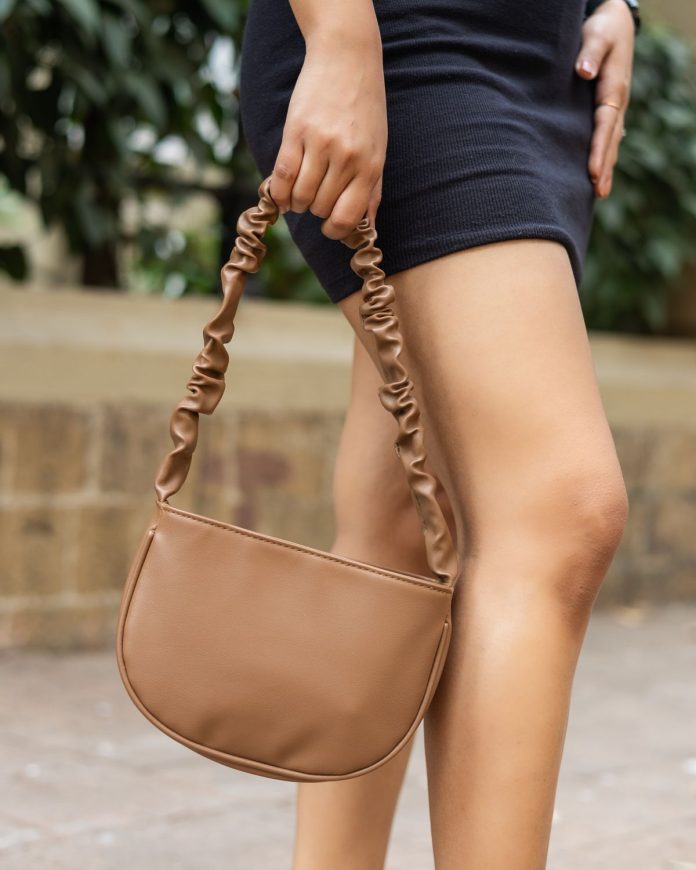
I bought my first Hobo bag about four years ago. It was a tan leather shoulder bag that I almost didn’t buy because the price made me flinch. Four years later it’s still the bag I reach for first, and it’s gotten noticeably better looking. That’s the whole appeal of this brand, and it’s why I keep coming back even though I’ own three of them now.
Hobo is a small, family-run leather outfit out of Colorado. Founded in 1991 by a woman named Susan — and still run today with her daughter Koren and Koren’s husband David — they make handbags and wallets that are meant to be used, not displayed. The company’s tagline is basically the whole philosophy: your bag is “living proof” of everywhere you’ve been. Sounds cheesy. Turns out it’s pretty accurate once you’ own one.
The Leather Is the Whole Point
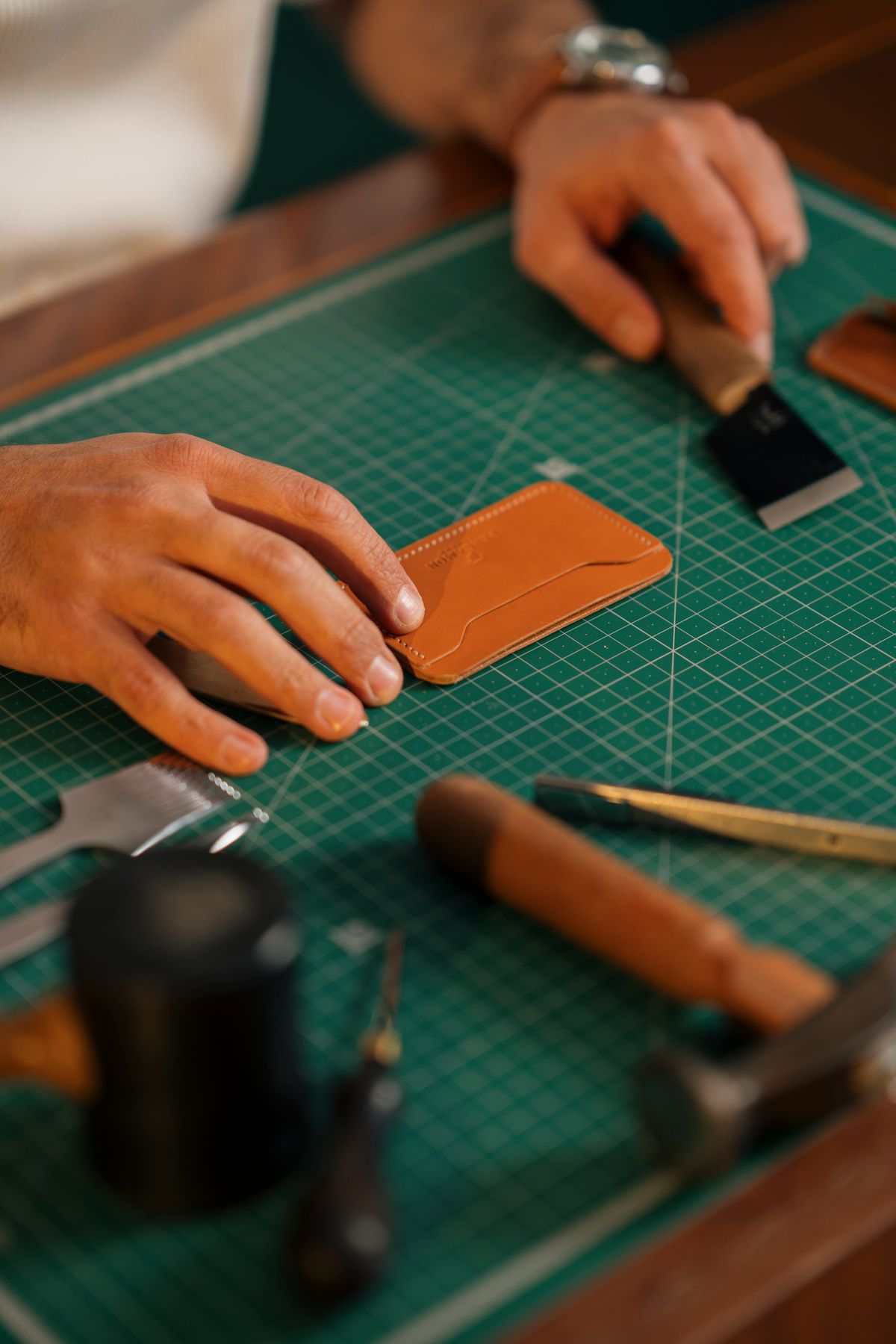
Most leather brands talk about leather. Hobo actually specs it — full-grain and top-grain leathers, pebbled finishes, double-faced construction on bags like the Rayna. The difference shows up in the first month. No peeling, no cracking at the strap anchor points, no weird plastic feel. The bags are actually vegetable-tanned and full-grain, which means they develop a patina instead of deteriorating. I’ve had to use a leather conditioner maybe twice in four years.
Hardware is solid too. The zippers and clips are the part that usually gives out first on cheaper bags, and on mine they’ve stayed smooth. It’s not the fanciest hardware you’ find at a luxury house, but it’s built for a decade of daily use, not a season.
Styles That Actually Work Day to Day
The thing I like most is that Hobo designs around how a bag gets used. Their Render and Madison shoulder bags are roomy without looking like a tote, with enough pockets to find your keys. The Fern Zip Flap Crossbody is the one I travel with — small, hands-free, and the pebbled leather shrugs off scuffs in a way the smooth bags don’t. If you like texture, the Sheila Satchel with its woven leather is unusual enough to get comments.
And their wallets. I started with the Lauren Wallet and bought backups for family. Roomier than most bifolds, so many card slots plus a cash compartment, without turning into a brick in your back pocket. Slightly chunky at first if you’re used to a thin cardholder, but the leather softens up and slims down over a few months.
What It Costs and What You Get
Let’s be straight about it: Hobo is not cheap. Most shoulder bags land somewhere between $150 and $300, and wallets sit in the $60–$120 range. That puts them above what you’d find at a mall brand and well below a designer label. What you’re paying for is the leather grade, the construction, and the fact that the bag will still look good in ten years.
The brand runs seasonal sales plus sitewide promos, and they’ve been known to bundle free shipping with a decent percentage off. It’s also worth knowing Hobo sells through Nordstrom, Dillard’s, and Belk, so you’re not locked into one checkout. Most reviewers on trustpilot describe the leather as soft, durable, and beautifully made, and a lot of them mention owning several styles by now.
Is It Worth It?
If you buy one bag every few years instead of one every season, Hobo math works out fine. It’s not a brand for trend-chasing — there’no logos screaming at you, no seasonal prints, nothing dated. It’ leather goods that quietly hold up, and honestly that’s hard to find at this price.
The one caveat: colors online don’t always photograph exactly as they arrive, so if a shade is really important to you, read the customer photos. And if you’re new to the brand, start with one piece. Let it patina, then decide whether you’re the kind of person who ends up with four of them. (I am.)
Full collection of leather handbags and wallets — plus current promotions.
