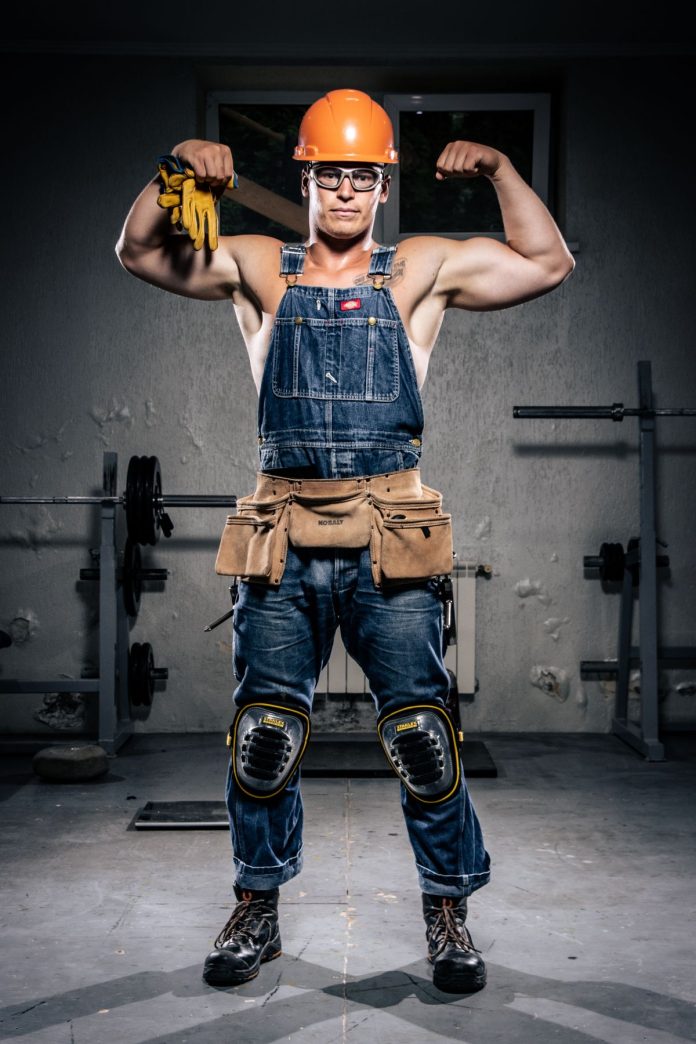
My dad wore Dickies. I wear Dickies. The guys at the shop next door wear Dickies. If you’ve spent any time around people who actually work for a living, you’ve seen the logo a few times. That’s kind of the point — this is one of those brands that stayed useful long after the fashion world moved on.
Dickies has been around since 1922, which means it’s had a century to get the details right. The company makes work pants, work shirts, coveralls, jackets, and now a whole line of casual pieces that borrow the same DNA. I’ve been wearing the 874 pants for a couple of years and I’d buy them again, so let me walk through what actually works and where you might want to size up.
The 874 Is the Reason Most People Know the Name
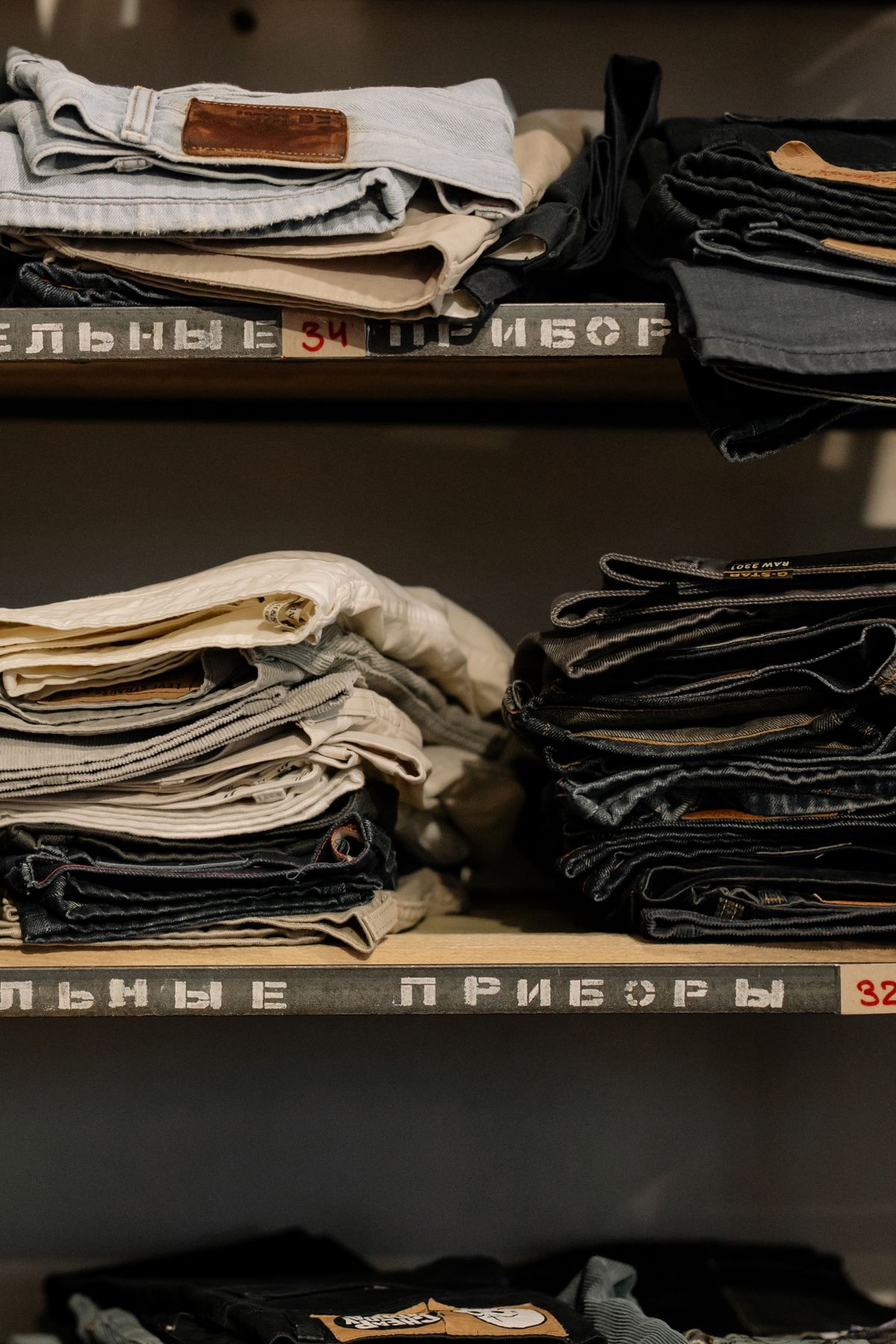
The Original 874 is the flagship — a straight-leg work pant that’s been around since the 1950s in some form. The fabric is a poly-cotton twill, and this is the detail that matters: it resists the thing that kills regular work pants. Work pants don’t die from being too rugged, they die from the knees blowing out, from the crotch seam giving up, from the pocket bags letting go after a year of heavy stuff in them. The 874 handles all of that. Reinforced stitching, double-layer seat and knees on the heavier versions, and a double belt loop design that stops the waistband from stretching out.
I’ll be honest about the fit though. Dickies runs roomy. That’s deliberate — it’s workwear, not slim-fit fashion. If you’re used to a tapered pant you’ll feel the difference. I wear a size down from my regular jeans and it’s fine, but if you want it relaxed and straight with zero thinking, take your normal size. They also have a Flex version now with a bit of stretch if you hate the stiff feel, and honestly I’d start there if you’re new to the brand.
What Else in the Lineup Holds Up
The 874 Work Shirt and the Duck Canvas jackets are the other two things I’d actually push people toward. Same fabric philosophy, same construction standard. The carpenter jeans sit around $35–$38, regular jeans around $30–$33, and the shirts are cheaper still. That pricing is the whole reason to buy them in the first place — you’re not paying luxury-brand money for something that will outlast your current job.
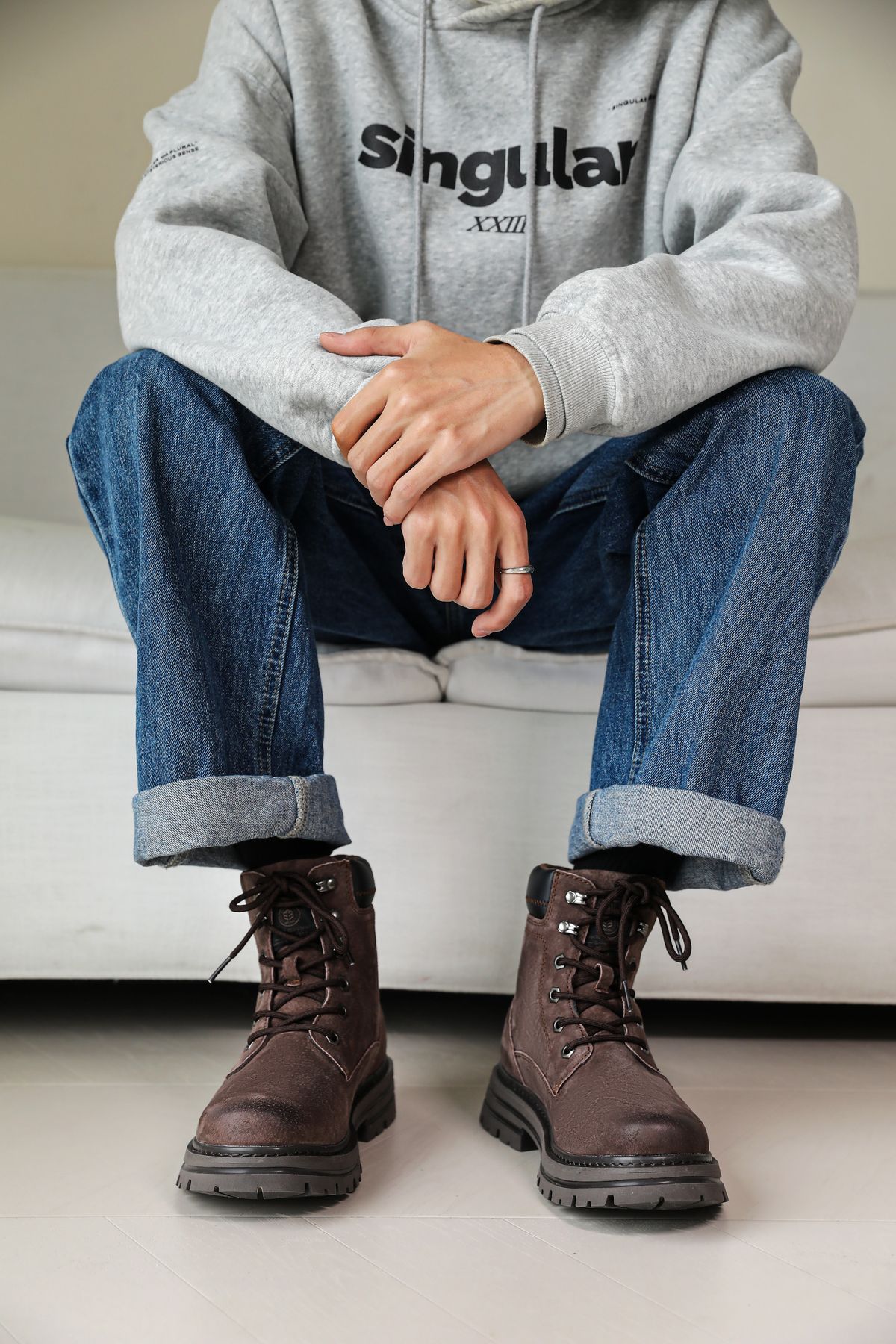
Then there’s the newer casual line, which is where Dickies has been pushing hard. Denim, tees, hoodies, jackets in more colorways. It’s the same garment DNA with a more modern cut, which makes them easy to wear without a belt and a hard hat. I’d say the casual stuff is good but nothing special — the workwear is where the brand genuinely has an edge over cheaper knockoffs.
Honest Downsides
Two things. First, sizing is inconsistent across the line in my experience. The work pants fit true, but some of the casual shirts seem to run a bit narrow in the chest even in the same label size. Measure a favorite shirt before you order. Second, the brand has leaned hard into bold seasonal colorways lately. Some of the pastels and unexpected hues are fun, some are a lot. If you’re buying dark denim and khaki, you’re totally safe. If you want something loud, there’s plenty of that too.
Who Should Buy Dickies?
Anyone who needs clothes that survive real life. Mechanics, warehouse crews, contractors, landscapers — the obvious list. But also anyone who wants a pair of jeans or a work shirt that’s still fine in five years and costs less than a dinner out. Dickies isn’ trendy and it’s not trying to be. That’s the appeal.
If you want a specific fit and it’s not in stock at your local store, the online selection is way deeper, and they run sitewide promos often enough that waiting for a sale is usually worth it.
Work pants, shirts, jackets and more — check current deals before you buy.
